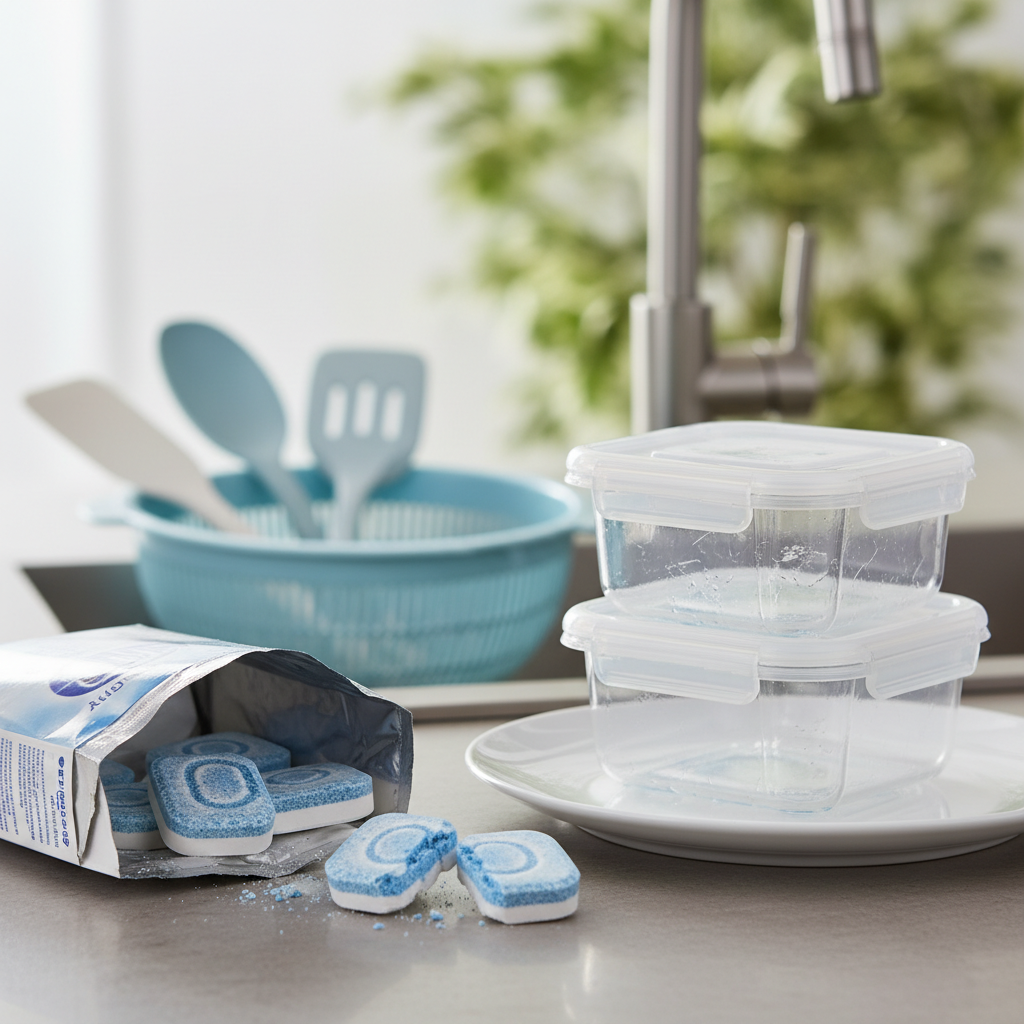
Navigating the world of recycling can often feel like solving a complex puzzle, especially when it comes to everyday items like dishwasher tablet bags. While we strive for sparkling clean dishes, understanding how to responsibly dispose of their packaging is crucial for a truly clean conscience and a healthier planet. This guide cuts through the confusion, offering clear, actionable steps to ensure your dishwasher tablet bags are recycled correctly, keeping them out of landfills and contributing to a more sustainable future.
What Are Dishwasher Tablet Bags Made Of?
|
Our Picks for the Best Dishwasher tablets in 2026
As an Amazon Associate I earn from qualifying purchases.
|
||
| Num | Product | Action |
|---|---|---|
| 1 | Finish Quantum Dishwasher Pods, No Pre-Rinse Dishwasher Detergent Soap Removes 24HR Dried-On Stain and Grease, Leaving a Virtually Spotless Shine, 100 Count |

|
| 2 | Finish Quantum Dishwasher Pods, No Pre-Rinse Dishwasher Detergent Soap Removes 24HR Dried-On Stain and Grease, Leaving a Virtually Spotless Shine, 82 Count |
|
| 3 | Cascade Platinum Plus Dishwasher Pods, Dish Detergent Soap, Clean Scent, 62 Count |
|
| 4 | Cascade Complete Dishwasher Detergent Pods Fresh Scent Value Pack, Powerful Dishwasher Pods for Sparkling Clean Dishes, Grease-Fighting Dishwashing Detergent Tablets, 100 Count |
|
| 5 | BLUELAND 100% Plastic-Free Dishwasher Detergent Tablets, 60 Count, Free & Clear, Eco-Friendly Dishwashing Pods, Natural, USDA Certified biobased |
|
| 6 | Cascade Complete Dishwasher Pods - Fresh Scent ActionPacs, Dishwasher Detergent, Dishwasher Soap, Detergent Pods, 78 Count |
|
| 7 | BLUELAND 100% Plastic-Free Dishwasher Detergent Tablets, Starter Set, 60 Count with tin, Free & Clear, Eco-Friendly Dishwashing Pods, Natural, USDA Certified biobased |
|
| 8 | BLUELAND 100% Plastic-Free Dishwasher Detergent Tablets, 120 Count, Free & Clear, Eco-Friendly Dishwashing Pods, Natural, USDA Certified biobased |
|
| 9 | Finish - All in 1 - Dishwasher Detergent - Powerball - Dishwashing Tablets - Dish Tabs - Fresh Scent, 94 Count (Pack of 1) - Packaging May Vary |
|
| 10 | Finish Classic Dishwasher Pods, No Pre-Rinse Dishwasher Detergent Soap For Clean & Shine everyday with grease fighting Power, 84 count |
|
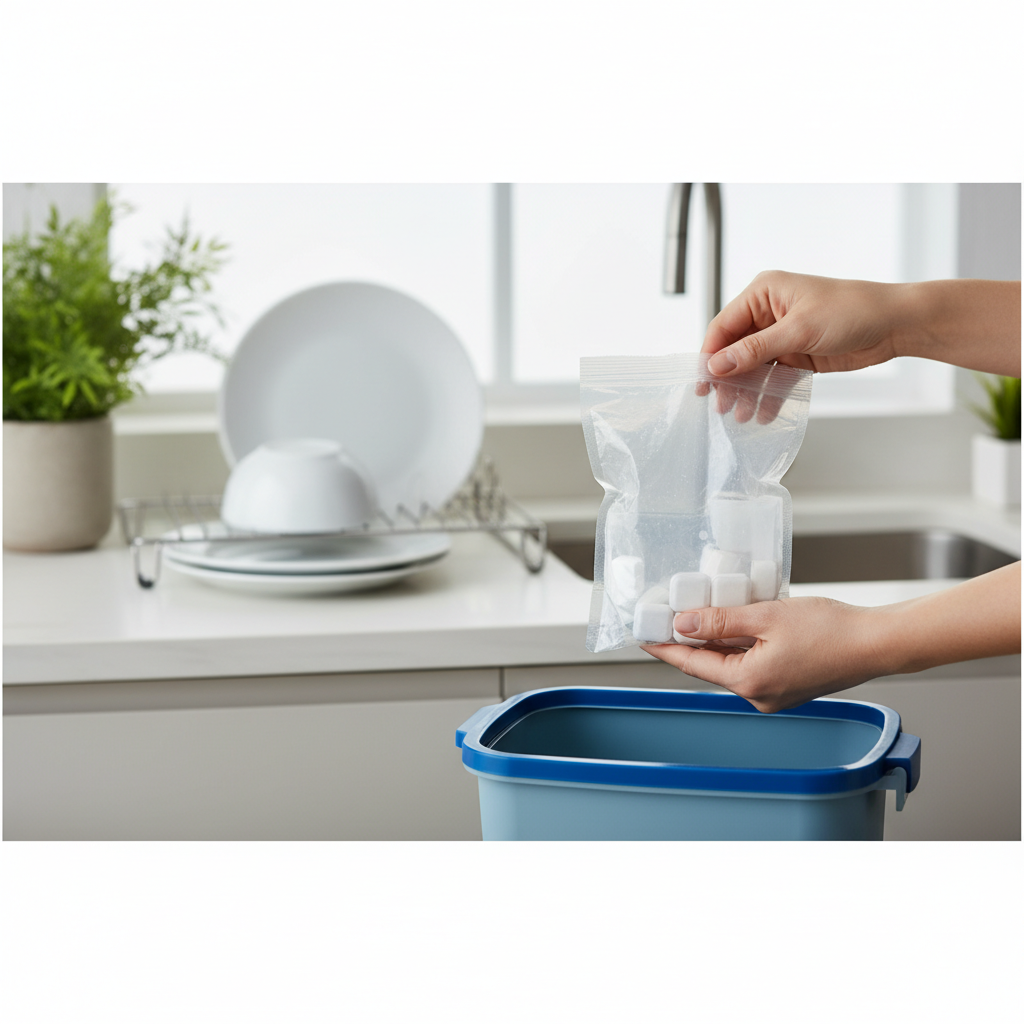
Most dishwasher tablet bags, along with many other household wrappers like bread bags and frozen food packaging, are made from flexible plastic films. These are typically low-density polyethylene (LDPE), characterized by their stretchy, pliable nature. Unlike rigid plastics (like bottles and tubs), these soft plastics require a different recycling process due to their composition and structure.
Why Can’t You Recycle Them Curbside?
A common misconception is that all plastics can go into your home recycling bin. However, soft plastic films, including dishwasher tablet bags, are generally not accepted in curbside recycling programs. There are several reasons for this:
- Contamination: When mixed with other recyclables, soft plastics can contaminate batches of paper, cardboard, and rigid plastics, making them unsuitable for recycling.
- Machine Tangles: Their flexible nature causes them to get tangled in the sorting machinery at recycling facilities, leading to breakdowns, increased operational costs, and safety hazards for workers.
- Different Processing Needs: Soft plastics require specialized processing equipment that most traditional material recovery facilities (MRFs) are not equipped to handle.
The Right Way to Recycle Dishwasher Tablet Bags
Since curbside collection is typically not an option, knowing the correct alternatives is essential. The most effective and widely available method for recycling dishwasher tablet bags involves specialized collection points.
Store Drop-Off Programs: Your Primary Solution
Many grocery stores, supermarkets, and large retail chains offer designated collection bins for plastic bags and film packaging. These programs specifically cater to soft plastics that cannot be recycled curbside.
- How They Work: Retailers partner with recycling companies that collect these materials and transport them to specialized facilities capable of processing flexible plastics. The collected film is then cleaned, shredded, melted down, and reprocessed into new products like composite lumber, playground equipment, or new plastic bags.
- Finding a Location: Look for collection bins near the entrance of your local supermarket or retail store. Websites like Earth911 (for North America) or Recycle Now (for the UK) offer recycling locators where you can search for specific materials and your postcode to find nearby drop-off points.
Preparation is Key: Clean and Dry
Before taking your dishwasher tablet bags to a store drop-off, proper preparation is crucial to ensure they are accepted and can be effectively recycled.
- Clean and Dry: The bags must be empty, clean, and completely dry. Any food residue, moisture, or other contaminants can spoil the entire batch of recycling. Take a moment to shake out any lingering tablet residue and wipe the inside if necessary.
- The “Stretch Test”: Many store drop-off programs specifically accept “stretchy” plastics. You can perform a simple test: try to stretch the plastic with your finger. If it stretches without tearing, it’s generally accepted. If it crinkles and tears easily (like a crisp packet), it might not be. However, always defer to the specific guidelines of your local collection point.
Checking Local Guidelines
Recycling rules can vary significantly by region and even by specific facility. Always confirm the accepted materials with your local recycling authority or the store drop-off program itself. What’s recyclable in one city might not be in another.
Beyond Recycling: Reduce, Reuse, Rethink
While correct recycling is vital, remember the hierarchy of waste management: Reduce, Reuse, Recycle.
- Reduce: Consider purchasing dishwasher tablets that come in alternative, more easily recyclable packaging, such as cardboard boxes or dissolvable pouches that eliminate plastic waste altogether. Buying larger packs can also reduce the number of individual bags consumed.
- Reuse: While dishwasher tablet bags aren’t typically suitable for direct reuse in their original form, embracing a broader mindset of reducing plastic consumption can help.
- Rethink: Support brands committed to sustainable packaging and share your knowledge with friends and family to collectively reduce plastic waste.
Common Mistakes to Avoid
Avoiding these pitfalls will significantly improve the efficacy of your recycling efforts:
- Placing in Curbside Bins: This is the most common mistake and leads to contamination and machinery issues.
- Recycling Wet or Dirty Bags: Contaminants like food residue or moisture can render the entire batch unrecyclable.
- Mixing with Other Plastics: Don’t assume all flexible plastics are accepted. Check for any specific labels or instructions at the drop-off point.
The Environmental Impact of Correct Recycling
By correctly recycling your dishwasher tablet bags, you contribute to several positive environmental outcomes:
- Reduced Landfill Waste: Diverting soft plastics from landfills saves valuable space and prevents them from potentially polluting ecosystems for hundreds of years.
- Resource Conservation: Recycling plastic reduces the need for virgin plastic production, which conserves fossil fuels and reduces energy consumption.
- Lower Carbon Footprint: Manufacturing products from recycled plastics generally uses less energy and emits fewer greenhouse gases than producing them from raw materials.
“Every piece of plastic we manage correctly, no matter how small, contributes to a larger shift towards a circular economy and away from linear waste.” – Dr. Elena Petrova, Environmental Policy Analyst
Conclusion
Recycling dishwasher tablet bags might seem like a minor detail in your daily routine, but collectively, these small actions make a significant difference. By understanding that these flexible plastic films belong in dedicated store drop-off bins—not your curbside recycling—and ensuring they are clean and dry, you play a vital role in preventing contamination and promoting a truly circular economy. Take a moment to locate your nearest drop-off point, make proper preparation a habit, and be a part of the solution for a greener future. What other household items are you curious about recycling correctly?
Frequently Asked Questions
Can all dishwasher tablet bags be recycled?
Most flexible plastic films, including typical dishwasher tablet bags made from LDPE, can be recycled through specialized store drop-off programs. However, highly contaminated or multi-layered films (like some snack bags) might not be accepted. Always check the specific guidelines of your local collection point.
What is the “stretch test” for plastic bags?
The “stretch test” involves gently pulling on the plastic film with your finger. If the plastic stretches without tearing, it is generally considered a recyclable film (like LDPE). If it tears easily or crinkles, it’s often not accepted in standard film recycling programs.
Where can I find a store drop-off location near me?
Many major grocery stores and supermarkets offer designated collection bins for plastic bags and film packaging. You can typically find these near the store entrance. Online resources like Earth911.com (for North America) or RecycleNow.com (for the UK) provide search tools to locate nearby drop-off points for specific materials.
What if my local store doesn’t have a collection point for plastic film?
If you cannot find a local store drop-off, consider reaching out to your municipal waste management or recycling authority for alternative suggestions. Some communities may have specific events or facilities that accept plastic film. As a last resort, explore options for reducing your plastic consumption by choosing products with alternative packaging.