In the bustling heart of any kitchen, the humble cutting board plays an indispensable role. From chopping vibrant vegetables to prepping raw meats, it’s a constant companion for culinary creations. However, beneath its seemingly innocent surface lies a potential breeding ground for harmful bacteria and viruses if not properly cared for. While a good scrub with soap and water removes visible food particles, true food safety demands a higher standard: sanitization. Fortunately, achieving this vital level of cleanliness has never been easier, thanks to the advent of specialized sanitizing tablets designed specifically for cutting boards. These convenient, pre-measured solutions offer a powerful and precise way to eliminate pathogens, ensuring your kitchen remains a safe and healthy environment. This comprehensive guide will explore the various types of sanitizing tablets available, highlight top product recommendations for 2026, and provide expert tips to help you choose and use them effectively for every type of cutting board.
The Essential Role of Cutting Board Sanitizing Tablets
Maintaining a hygienic kitchen is paramount, and cutting boards are often the unsung heroes—and potential culprits—in foodborne illness prevention. Understanding what sanitizing tablets are and why they are superior to traditional cleaning methods is the first step towards a safer culinary space.
What are Sanitizing Tablets for Cutting Boards?
|
Our Picks for the Best Dishwasher tablets in 2026
As an Amazon Associate I earn from qualifying purchases.
|
||
| Num | Product | Action |
|---|---|---|
| 1 | BLUELAND 100% Plastic-Free Dishwasher Detergent Tablets, 120 Count, Free & Clear, Eco-Friendly Dishwashing Pods, Natural, USDA Certified biobased |

|
| 2 | Finish Classic Dishwasher Pods, No Pre-Rinse Dishwasher Detergent Soap For Clean & Shine everyday with grease fighting Power, 84 count |
|
| 3 | Cascade Platinum Plus Dishwasher Pods, Dish Detergent Soap, Clean Scent, 62 Count |
|
| 4 | BLUELAND 100% Plastic-Free Dishwasher Detergent Tablets, Starter Set, 60 Count with tin, Free & Clear, Eco-Friendly Dishwashing Pods, Natural, USDA Certified biobased |
|
| 5 | Finish - All in 1 - Dishwasher Detergent - Powerball - Dishwashing Tablets - Dish Tabs - Fresh Scent, 94 Count (Pack of 1) - Packaging May Vary |
|
| 6 | BLUELAND 100% Plastic-Free Dishwasher Detergent Tablets, 60 Count, Free & Clear, Eco-Friendly Dishwashing Pods, Natural, USDA Certified biobased |
|
| 7 | Cascade Complete Dishwasher Pods - Fresh Scent ActionPacs, Dishwasher Detergent, Dishwasher Soap, Detergent Pods, 78 Count |
|
| 8 | Finish Quantum Dishwasher Pods, No Pre-Rinse Dishwasher Detergent Soap Removes 24HR Dried-On Stain and Grease, Leaving a Virtually Spotless Shine, 82 Count |
|
| 9 | Cascade Complete Dishwasher Detergent Pods Fresh Scent Value Pack, Powerful Dishwasher Pods for Sparkling Clean Dishes, Grease-Fighting Dishwashing Detergent Tablets, 100 Count |
|
| 10 | Finish Quantum Dishwasher Pods, No Pre-Rinse Dishwasher Detergent Soap Removes 24HR Dried-On Stain and Grease, Leaving a Virtually Spotless Shine, 100 Count |
|
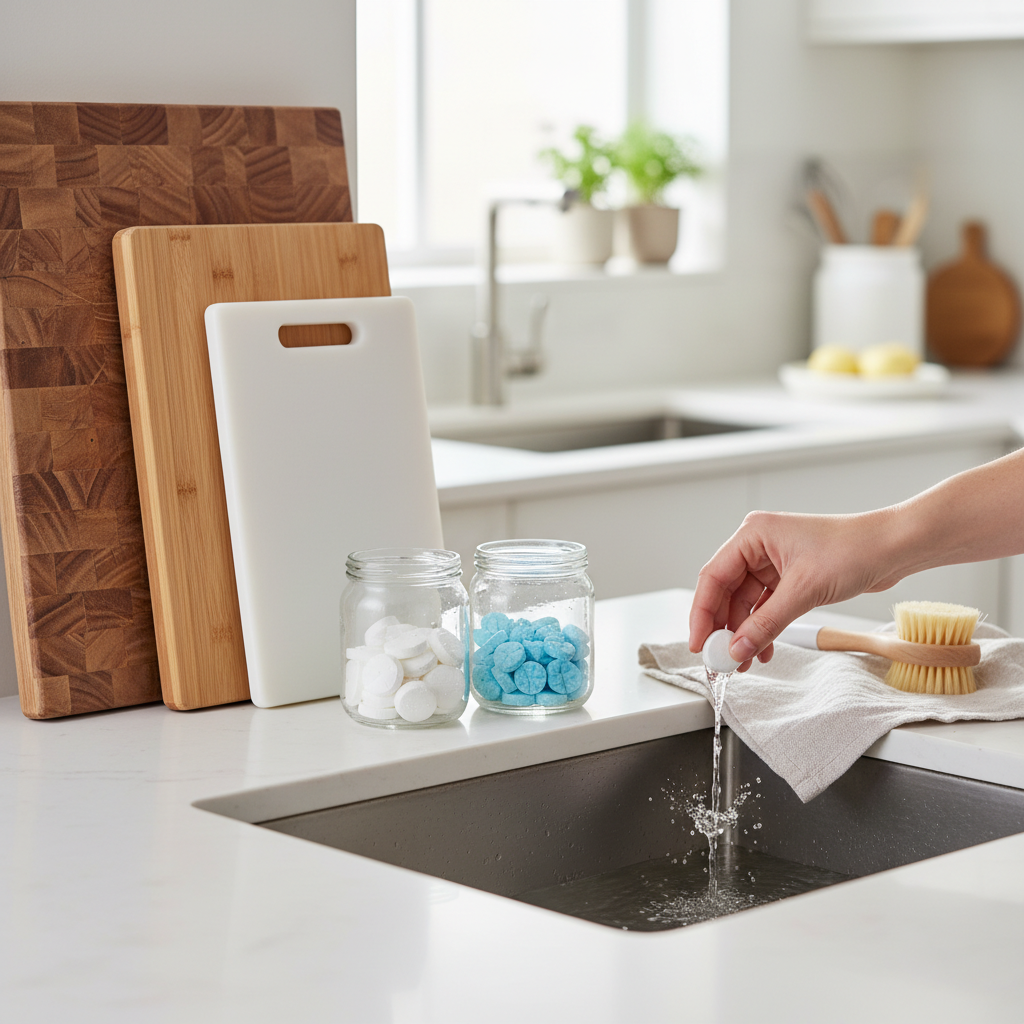
Sanitizing tablets for cutting boards are specially formulated chemical agents, compacted into a solid tablet form, that dissolve in water to create a sanitizing solution. Their primary purpose is to kill or significantly reduce the number of pathogens, such as bacteria, viruses, and fungi, that may linger on surfaces even after initial cleaning. Unlike cleaning, which physically removes food debris and dirt, sanitization focuses on eliminating harmful microorganisms to levels deemed safe for public health. These tablets typically contain active ingredients such as chlorine-based compounds (like sodium dichloroisocyanurate) or quaternary ammonium compounds (QACs), both recognized for their powerful germ-killing properties.
Why Choose Sanitizing Tablets Over Other Methods?
The benefits of opting for sanitizing tablets are manifold, particularly when compared to liquid concentrates or homemade solutions. Their pre-measured format offers unparalleled convenience; simply drop a tablet into a specified volume of water, and you have a perfectly diluted, effective sanitizing solution. This eliminates the guesswork often associated with liquid concentrates, ensuring accurate and consistent strength every time. Such precision is crucial for effectiveness—a solution too weak won’t sanitize, and one too strong can be corrosive or leave residues. Furthermore, tablets are easy to store, take up minimal space, and reduce the risk of accidental spills or splashes associated with handling harsh liquid chemicals. Many are also certified for food contact surfaces, making them a reliable choice for maintaining kitchen hygiene.
Types of Sanitizing Tablets and Their Applications
The effectiveness of a sanitizing tablet often depends on its active ingredient and how it interacts with different cutting board materials. Understanding the distinctions helps in selecting the most appropriate product for your needs.
Chlorine-based Tablets (e.g., Sodium Dichloroisocyanurate)
Chlorine-based tablets, such as those containing sodium dichloroisocyanurate (NaDCC), release hypochlorous acid when dissolved in water. This powerful oxidizing agent rapidly attacks and destroys a broad spectrum of microorganisms, including common foodborne pathogens.
- Pros: They boast broad-spectrum efficacy against bacteria and viruses and are often more cost-effective per use. Many chlorine-based sanitizers are NSF D2 certified, meaning they are safe for food contact surfaces and, at specific concentrations (e.g., 100 parts per million or ppm), do not require a final rinse.
- Cons: They can be corrosive to certain metals if not used correctly or if allowed to sit for extended periods. There might also be a mild chlorine odor, and prolonged use could potentially lighten some surfaces over time.
- Application: These tablets are highly effective for sanitizing non-porous surfaces like plastic, glass, stainless steel, and marble cutting boards. For example, products like PurTabs are designed for food contact surfaces, requiring just one 334mg tablet per 32 ounces of tap water to create a 100 ppm solution, with a contact time of one minute and no rinsing needed.
Quaternary Ammonium Compound (QAC) Tablets
Quaternary Ammonium Compounds, or Quats, work by disrupting the cell membranes of microorganisms, leading to their inactivation. These sanitizers are particularly noted for their efficacy on more porous materials.
- Pros: QACs are generally less corrosive than chlorine-based options and are often odorless. They are particularly recommended for wooden cutting boards, where their formulation can be more effective at killing pathogens on organic surfaces without causing damage.
- Cons: While effective, their broad-spectrum efficacy might not be as wide as chlorine for all types of pathogens, and they require specific contact times to be fully effective.
- Application: QAC tablets are an excellent choice for wooden and bamboo cutting boards, helping to sanitize without the harshness that can damage natural wood fibers.
Other Potential Options
While dedicated sanitizing tablets are the most recommended, other methods exist, though with important caveats:
- Hydrogen Peroxide: Typically used in liquid form, a 3% hydrogen peroxide solution (diluted 1:4 with water) can sanitize cutting boards. It’s effective but not commonly available in tablet form for this purpose.
- Denture Cleaning Tablets: Some DIY enthusiasts suggest using denture tablets for cutting boards. However, this is generally not recommended for food contact surfaces. Denture tablets are not certified food-safe, and their active ingredients or concentrations may not be suitable or safe for surfaces that come into contact with food. Stick to products explicitly designed and certified for kitchen sanitization.
Top Picks: Best Tablets for Sanitizing Cutting Boards in 2026
When it comes to selecting the best sanitizing tablets, focusing on products specifically designed and certified for food contact surfaces is crucial for safety and effectiveness.
- PurTabs Food Contact Surface Sanitizing Tablets: As highlighted in extensive research, PurTabs are a leading contender. These tablets are NSF D2 certified, which is a rigorous standard indicating their suitability as a no-rinse sanitizer for food contact surfaces when used at the specified dilution. Each 334mg tablet dissolves to create a 100 ppm chlorine solution, effective in just one minute. Their versatility makes them ideal for a range of kitchen environments, from commercial to home use, and compatible with plastic, glass, stainless steel, and even some sealed wooden surfaces. The precision of a tablet ensures you’re always using the correct concentration, minimizing waste and maximizing efficacy.
When evaluating the “best” tablets, consider not just immediate cleaning power but also long-term safety, ease of use, and compatibility with your kitchen equipment.
Comparison Table: Leading Sanitizing Tablet Solutions
| Tablet Type / Brand | Active Ingredient | Key Benefits | Ideal For | Certifications (e.g., NSF) | Price Range |
|---|---|---|---|---|---|
| PurTabs Sanitizing Tablets | Sodium Dichloroisocyanurate | No-rinse, broad-spectrum, precise dilution | Plastic, glass, non-porous, some woods | NSF D2 | Mid-range |
| Generic QAC Tablets | Quaternary Ammonium Compounds | Wood-friendly, less corrosive | Wooden, bamboo, porous surfaces | Check individual product | Mid-range |
How to Choose the Right Sanitizing Tablets for Your Kitchen
Selecting the ideal sanitizing tablet goes beyond just picking a popular brand; it involves understanding your specific kitchen needs and the materials of your cutting boards. A thoughtful choice ensures both maximum hygiene and longevity for your kitchen tools.
Cutting Board Material
The material of your cutting board is a primary factor in determining the best sanitizer. Different materials react differently to various chemicals. For plastic, glass, and stainless steel cutting boards, both chlorine-based and QAC tablets are generally effective and safe. These non-porous surfaces can withstand stronger sanitizing agents. However, for wood and bamboo cutting boards, QAC tablets are often preferred as they are typically less harsh and more effective on organic, porous surfaces without causing damage or excessive drying. Prolonged soaking of wooden boards should always be avoided, regardless of the sanitizer type, to prevent warping and cracking. For marble boards, a diluted chlorine solution (from tablets or liquid bleach) is acceptable, but avoid abrasive cleaners that can dull the surface.
Usage Frequency & Volume
Consider how often you use and sanitize your cutting boards. For individuals who cook frequently or operate a commercial kitchen, purchasing sanitizing tablets in bulk might be more cost-effective and convenient. Larger packages ensure a steady supply, reducing the need for frequent reordering. For occasional users, smaller packs might suffice, preventing product expiration before full use.
Safety Certifications
Always prioritize sanitizing tablets that carry reputable safety certifications. The NSF D2 certification, for instance, specifically indicates that a product is approved as a “no-rinse” sanitizer for food contact surfaces when used at its specified dilution. This certification provides peace of mind, assuring that the product meets stringent public health standards and is safe for use in food preparation areas.
Environmental Impact
As environmental consciousness grows, some brands are offering more eco-friendly formulations or packaging for their sanitizing tablets. If sustainability is a priority for you, research brands that emphasize biodegradable ingredients or minimize plastic waste in their packaging.
Cost-Effectiveness
While the upfront cost might vary, consider the cost per diluted gallon or liter. Tablets are often highly concentrated, meaning a single tablet can make a significant amount of sanitizing solution, making them a very economical choice in the long run compared to ready-to-use sprays or more diluted liquid concentrates.
Where to Buy Sanitizing Tablets for Cutting Boards
Acquiring the right sanitizing tablets is generally straightforward, with various retail channels catering to both home and commercial users.
You can typically find a wide selection of sanitizing tablets at large online retailers like Amazon, which often feature various brands and bulk options. Restaurant supply stores and specialty kitchen supply stores are excellent resources for commercial-grade sanitizers, often carrying products like PurTabs. For bulk purchases, wholesale clubs such as Costco or Sam’s Club can be a good option, though their selection might be more limited. Finally, many manufacturers and authorized distributors also sell directly through their websites, ensuring you get authentic products and potentially offering specialized information.
Mastering Effective Sanitization: Tips for Using Tablets
Proper use of sanitizing tablets is crucial for their effectiveness and for ensuring kitchen safety. Following a few simple guidelines will maximize their benefits.
- Always Clean First: This is a non-negotiable step. Sanitizers work by killing microorganisms, but they cannot effectively penetrate layers of food debris, grease, or grime. Always begin by scraping off all food particles, then wash your cutting board thoroughly with hot, soapy water and rinse it clean. Only a physically clean surface can be truly sanitized.
- Follow Dilution Instructions Precisely: The effectiveness of any sanitizing tablet hinges on correct dilution. Using too little water (making the solution too strong) can lead to residue, potential corrosion, or wasted product. Using too much water (making it too weak) will render the solution ineffective at killing pathogens. Always adhere strictly to the manufacturer’s recommended tablet-to-water ratio—for example, one PurTab per 32 ounces of water.
- Proper Contact Time: Sanitizers need time to work. Allow the diluted solution to remain wet on the cutting board surface for the duration specified by the manufacturer. This “contact time” is usually short, often one minute, but it is essential for the active ingredients to effectively neutralize microorganisms.
- No-Rinse vs. Rinse Required: Pay close attention to whether your chosen product is labeled “no-rinse” for food contact surfaces at its recommended dilution. Many NSF D2 certified products fall into this category. If the label does not specify “no-rinse,” or if you’ve used a stronger-than-recommended dilution, a final rinse with potable water after the contact time is necessary to remove any chemical residues.
- Drying: After sanitizing, allow the cutting board to air dry completely, or wipe it dry with a clean, dedicated drying cloth. For wooden boards, it’s particularly important to dry them thoroughly and store them on edge to allow for even air circulation, preventing warping and mildew.
- Storage: Store sanitizing tablets in their original, sealed packaging in a cool, dry place, away from direct sunlight, moisture, and extreme temperatures. Crucially, keep them out of reach of children and pets to prevent accidental ingestion.
Troubleshooting Common Sanitization Issues
Even with the best products, you might encounter minor issues. Here’s how to address some common problems when using sanitizing tablets.
- Tablet Not Dissolving Completely: If a tablet doesn’t fully dissolve, first check the water temperature. While most tablets are designed for tap water, extremely cold water can slow dissolution. Agitating the water or breaking the tablet into smaller pieces before adding it can also help. Ensure there’s no obstruction in the container.
- Boards Still Smell/Feel Unclean: This is almost always an indication of insufficient cleaning before sanitization, or incorrect dilution/contact time. Remember, sanitizing is the second step after thorough cleaning. Re-evaluate your pre-cleaning process, confirm your dilution ratio, and ensure the solution remains on the surface for the recommended contact time.
- Discoloration/Damage to Boards: This usually occurs if the wrong type of sanitizer is used for the cutting board material (e.g., strong chlorine on unsealed wood), or if the dilution is too strong. Always check product compatibility with your board material and strictly follow dilution instructions. If discoloration persists, it might be due to a deep-seated stain that sanitizers aren’t designed to remove.
Buying Guide for Cutting Board Sanitizing Tablets
Making an informed decision about sanitizing tablets involves considering several factors beyond just the active ingredient.
- Budget: While sanitizing tablets are generally cost-effective, prices can vary by brand, quantity, and certification level. Determine a realistic budget, remembering that investing in quality sanitization is an investment in food safety.
- Ingredients: Prioritize products with active ingredients that have a proven track record of efficacy and are specifically approved for food contact surfaces. Look for clear labeling of ingredients and concentrations.
- Reviews & Ratings: Consult professional reviews from food safety experts and consumer ratings. Real-world feedback can offer valuable insights into a product’s ease of use, actual performance, and any potential drawbacks.
- Certifications: As mentioned, certifications like NSF D2 are critical indicators of safety and efficacy for food contact. Always look for these seals of approval to ensure you are purchasing a reliable product.
“Maintaining stringent hygiene for cutting boards is non-negotiable in any kitchen, professional or home. Sanitizing tablets offer a precise and efficient method to achieve this, minimizing human error in dilution and ensuring pathogens are effectively controlled.” – Chef Anya Sharma, Certified Food Safety Specialist.
Conclusion
In the evolving landscape of kitchen hygiene, sanitizing tablets for cutting boards stand out as a modern, efficient, and reliable solution. They bridge the gap between simple cleaning and comprehensive pathogen elimination, providing a critical layer of protection against foodborne illnesses. By understanding the different types of tablets, their applications across various cutting board materials, and the best practices for their use, you can confidently maintain a safer and healthier kitchen environment. Investing in the right sanitizing tablets and adhering to proper sanitization protocols is not just a chore; it’s a commitment to the well-being of everyone who enjoys your culinary creations. Make the smart choice today to elevate your kitchen hygiene standards.
What sanitizing methods have you found most effective for your cutting boards?
Frequently Asked Questions
Can I use bleach tablets instead of dedicated sanitizing tablets for cutting boards?
While bleach (sodium hypochlorite) is a sanitizing agent, generic bleach tablets or denture cleaning tablets are generally not recommended for food contact surfaces like cutting boards due to unknown concentrations, additives, and lack of specific food-safe certifications. Dedicated food-contact sanitizing tablets are formulated and certified for safe use.
How often should I sanitize my cutting boards?
It’s recommended to clean and sanitize your cutting board after every use, especially after preparing raw meat, poultry, or fish, and even after handling fresh produce.
Are sanitizing tablets safe for all cutting board materials?
No, it depends on the active ingredient. Chlorine-based tablets are good for plastic, glass, and non-porous surfaces. Quaternary ammonium tablets are often preferred for wooden and porous surfaces. Always check the product label for material compatibility.
Do I need to rinse my cutting board after using a sanitizing tablet solution?
It depends on the product. Many commercial food-contact sanitizing tablets (like those with NSF D2 certification) are designed to be “no-rinse” at specific dilutions. Always read the product’s instructions carefully to determine if a final rinse is required.
Can sanitizing tablets remove stubborn stains and odors?
Sanitizing tablets primarily kill bacteria and viruses. While some active ingredients may have mild bleaching properties that can help with stains, their main function is sanitization. For stubborn stains and odors, it’s best to pre-clean with abrasive cleaners like salt and lemon or baking soda.