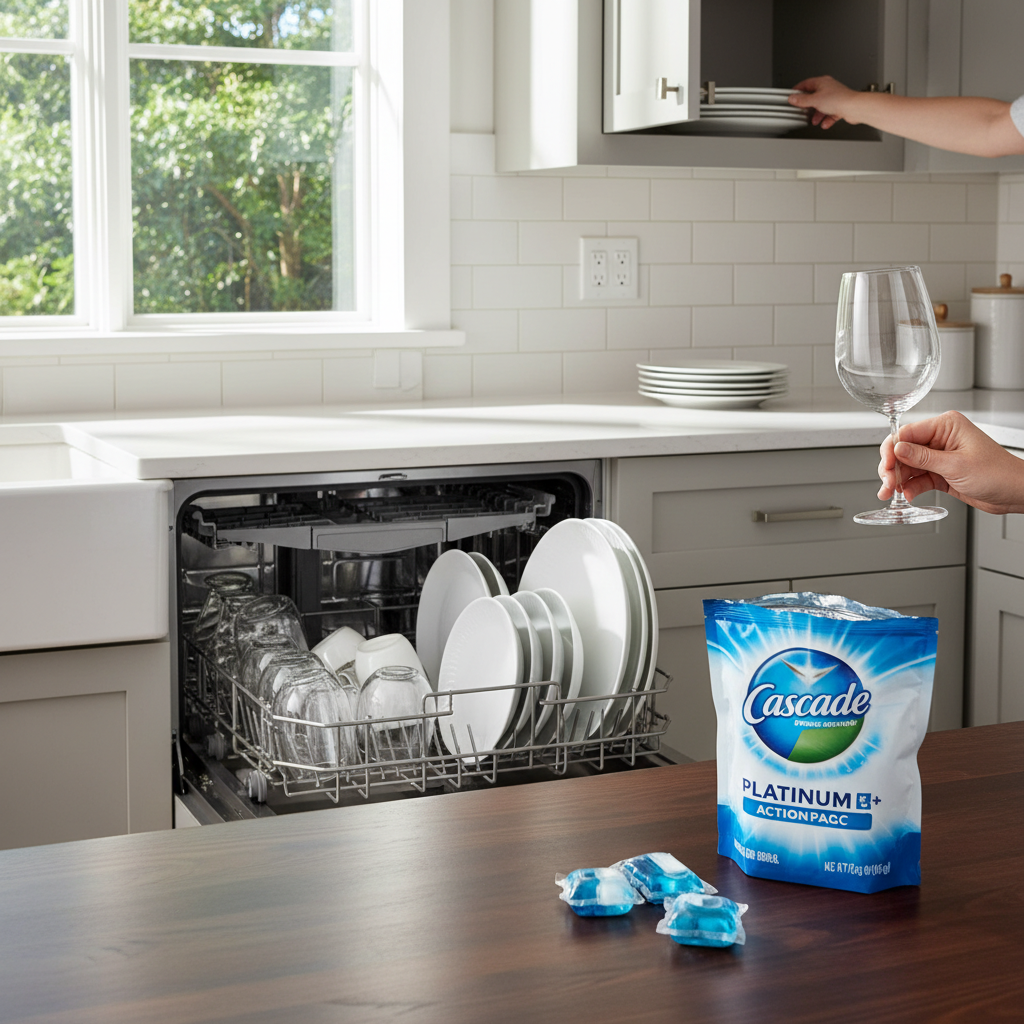
Are you looking for clever ways to trim household expenses without compromising on cleanliness? The cost of everyday essentials, including dishwasher tablets, can add up quickly. Many wonder if using a full dishwasher tablet is always necessary for every load, or if there’s a more economical approach. The truth is, for many households, strategically cutting dishwasher tablets in half can be a game-changer, offering significant savings and environmental benefits without sacrificing sparkle. This guide will explore the practicalities, benefits, and crucial safety considerations behind this popular money-saving hack, helping you decide if it’s the right move for your kitchen.
Understanding Dishwasher Tablets
Dishwasher tablets are pre-measured, compact doses of detergent designed to simplify dishwashing. They have largely evolved from powders and gels, offering convenience and often combining multiple cleaning agents in one unit, such as enzymes to break down food, surfactants to lift grease, rinse aid for shine, and even salt to prevent limescale in hard water areas. This all-in-one formulation aims to deliver optimal cleaning performance with minimal fuss.
The Case for Halving Dishwasher Tablets
The primary motivation behind cutting dishwasher tablets in half is, undoubtedly, financial savings. By splitting each tablet, you effectively double the number of washes you get from a single pack, making your detergent budget stretch twice as far. Beyond the immediate cost benefits, this practice also offers environmental advantages. Using less detergent per cycle means fewer chemicals are discharged into wastewater, contributing to a smaller ecological footprint.
Furthermore, many standard dishwasher tablets are formulated for heavily soiled, full loads. However, not every wash cycle fits this description. For lighter loads, smaller dishwashers, or dishes that have been pre-rinsed, a full tablet can be overkill. In such scenarios, a half tablet often provides ample cleaning power, achieving spotless results. Using excessive detergent can sometimes even be counterproductive, potentially leading to residue buildup on your dishes or inside your machine, resulting in streaks or a cloudy finish. By tailoring the detergent amount to the actual load size and soil level, you can achieve optimal cleaning while preventing these issues.
Is It Safe and Effective? Separating Fact from Myth
The effectiveness of using half a dishwasher tablet is a subject of debate. For many light to medium loads, especially with modern dishwashers and hot water cycles, a half tablet can indeed be sufficient, leaving dishes sparkling clean. However, it’s crucial to acknowledge situations where a full tablet might be necessary, such as heavily soiled items or in areas with very hard water.
However, safety is paramount. It is generally not recommended to cut dishwasher pods, gel tablets, or those encased in a water-soluble film. These formulations are precisely engineered to dissolve at specific stages of the wash cycle, releasing their concentrated ingredients at optimal times. Piercing or cutting them can expose you to concentrated chemicals, which can cause skin irritation, eye damage, or respiratory issues. It can also compromise the tablet’s intended performance, leading to less effective cleaning or an uneven release of agents. Solid, multi-layered tablets might also lose some of their specialized functions if not cut evenly, as different layers or “powerballs” often contain distinct components like rinse aid or softening salts. Additionally, once a tablet is cut, especially if it crumbles, it becomes more susceptible to moisture and air exposure, which can degrade its cleaning power and lead to clumping if not stored properly. Increased exposure to detergent also elevates the risk of accidental ingestion by children or pets, making secure storage of cut pieces vital.
Your Step-by-Step Guide to Cutting Solid Dishwasher Tablets
If you’ve assessed the risks and determined that cutting solid dishwasher tablets is suitable for your needs, here’s how to do it safely and effectively:
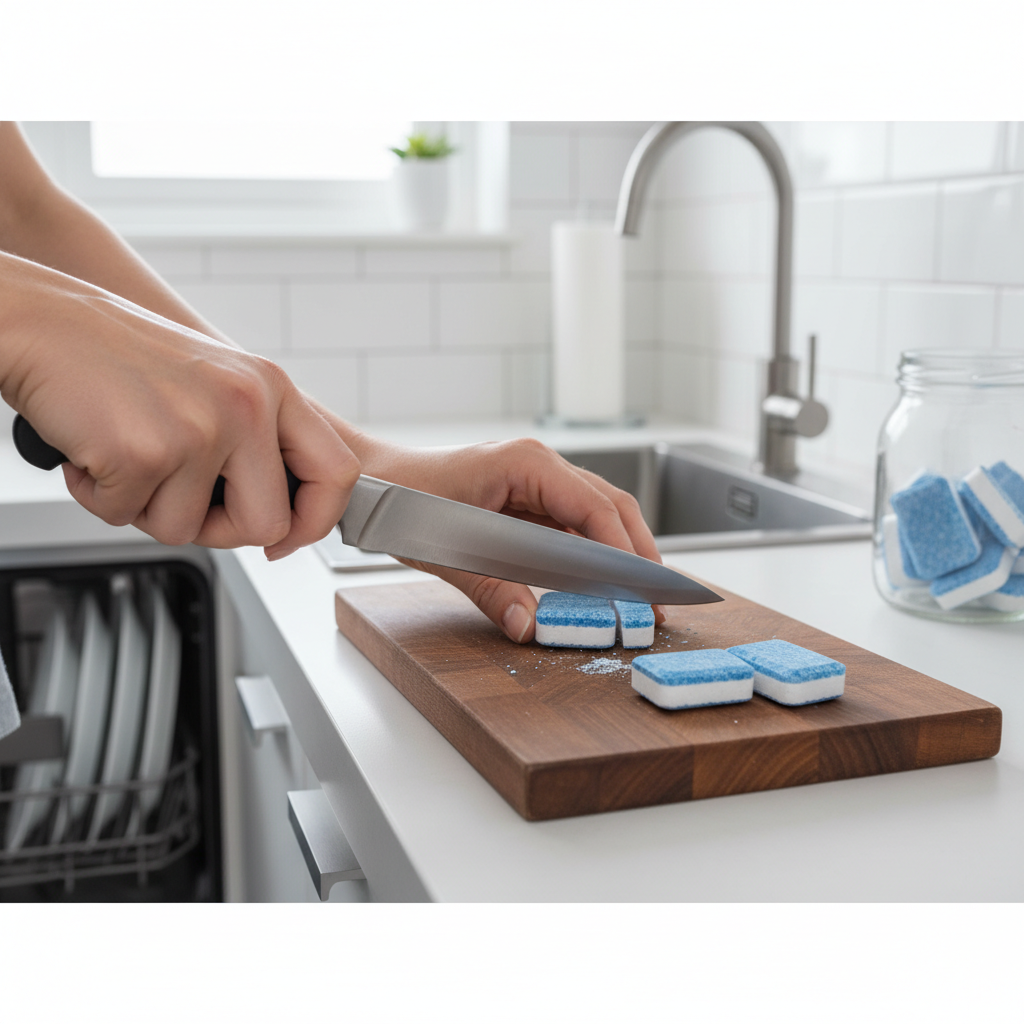
- Gather Your Tools: You’ll need a very sharp kitchen knife (an old one is ideal to prevent dulling your favorite blade), a sturdy cutting board, and optionally, a clean cloth or paper towel to cover the tablet and minimize dust or crumbling.
- Prepare the Tablet: Place the solid dishwasher tablet flat on the cutting board. If it has a thin, non-dissolvable wrapper, remove it first. For tablets designed to dissolve with their film, proceed with caution and only if you are certain it’s a solid, non-gel type.
- Score and Cut: Position the sharp knife across the center of the tablet. Apply firm, steady pressure. For tougher tablets, you might need to use a rocking motion or gently tap the back of the knife with a soft-faced mallet or hammer (ensure hands are clear of the blade).
- Handle Crumbles: Dishwasher tablets can be brittle and may crumble or break into more than two pieces. This is generally not an issue as long as you have roughly half the original amount of detergent. Simply collect all the pieces that amount to approximately half and use them.
- Storage: Store the cut halves and any smaller pieces in an airtight container in a cool, dry place, away from children and pets. This prevents them from absorbing moisture, clumping, or losing efficacy, and significantly reduces safety risks.
When a Full Tablet is Non-Negotiable
While halving tablets works for many, there are scenarios where a full tablet is genuinely required for optimal cleaning performance. If you have a full load of heavily soiled pots, pans, and dishes with stubborn, baked-on food, the full strength of a complete tablet is usually necessary. Similarly, in areas with very hard water, the full dose of detergent, often including built-in water softeners, is crucial to prevent limescale and ensure dishes come out clean and spot-free. Some dishwashers also have specific heavy-duty or sanitize cycles that are designed to work with the full recommended amount of detergent to achieve their intended results. In these cases, using less detergent might lead to unsatisfactory cleaning, requiring a rewash and negating any initial savings.
Beyond Cutting: Smart Alternatives for Economical Dishwashing
If cutting tablets isn’t suitable for your detergent type or simply doesn’t appeal to you, several other strategies can help you save money and optimize your dishwashing:
- Dishwasher Powder or Gel: These forms of detergent allow for precise measurement, meaning you can easily adjust the dosage for smaller or less soiled loads without needing to cut anything.
- Buying Smaller Tablets or “Mini” Versions: Some brands offer smaller tablets or “mini” versions specifically designed for lighter loads or compact dishwashers, providing a convenient pre-portioned solution.
- Homemade Dishwasher Detergent: For the DIY enthusiast, recipes using common household ingredients like baking soda, washing soda, citric acid, and lemon juice can be an economical and eco-friendly alternative. However, be cautious with homemade solutions, as some ingredients (like regular dish soap) can produce excessive suds that may damage your dishwasher.
- Adjusting Load Size: The simplest way to maximize efficiency is to always run your dishwasher with a full load. Waiting until your machine is completely loaded ensures you’re getting the most out of each wash cycle, whether you use a full or half tablet.
Tips for Effective Dishwasher Tablet Use
To get the best results from your dishwasher and detergent, whether you cut tablets or not, consider these tips:
- Correct Placement: Always place the dishwasher tablet in the designated detergent dispenser compartment, not loose in the bottom of the dishwasher. This ensures it’s released at the optimal time during the cycle.
- Don’t Overload: While it’s efficient to run full loads, avoid cramming too many dishes. Overloading can block spray arms, preventing water and detergent from reaching all items, leading to poor cleaning results.
- Regular Machine Cleaning: Periodically clean your dishwasher, including the filter and spray arms, to prevent buildup of food particles and detergent residue. A clean machine is a more efficient machine.
- Proper Storage: Store all dishwasher detergents, especially cut tablets, in their original packaging or an airtight container in a cool, dry place, away from humidity and direct sunlight. Always handle with dry hands to prevent premature dissolving or sticking.
Common Problems and Solutions When Using Dishwasher Tablets
Even with the right detergent, issues can arise. Here are some common problems and their fixes:
- Tablet Not Dissolving Completely: This can be due to a blocked dispenser, incorrect tablet placement, low water temperature, or issues with water pressure. Ensure the dispenser isn’t obstructed and that water can reach it freely. Check your water heater settings.
- Dishes Not Clean After Wash: This might indicate an overloaded dishwasher, blocked spray arms, insufficient detergent for the soil level, or a dirty filter. Inspect and clean your machine’s components, and consider if a full tablet or a pre-rinse is needed for heavily soiled items.
- Unpleasant Odors in the Dishwasher: Food debris, grease buildup, or stagnant water can cause odors. Run a cleaning cycle with a dishwasher cleaner or a cup of white vinegar placed on the top rack. Regularly clean the filter and door seals.
Buying Guide: Selecting the Best Dishwasher Detergent for Your Needs
Choosing the right dishwasher detergent involves balancing several factors:
- Budget: Determine how much you’re willing to spend. Cutting tablets can extend the life of more expensive brands, or you might opt for more budget-friendly powder detergents.
- Ingredients: Look for detergents with enzymes, rinse aid, and water softeners if you have hard water. For an eco-friendlier approach, consider brands with plant-based or biodegradable ingredients.
- User Reviews: Check online reviews and recommendations from other consumers, especially those with similar dishwashers or water conditions.
- Certifications: Some detergents carry environmental certifications, indicating they meet certain sustainability standards.
- Formulation: Decide between traditional powder, convenient gels, or pre-measured tablets based on your preference for dosage control and ease of use. Remember the warnings about cutting pods or gel-filled tablets.
Conclusion
Cutting dishwasher tablets in half can be a smart and effective strategy for many households to save money and reduce environmental impact, particularly for lighter loads and solid tablet formulations. However, it’s essential to proceed with caution, understanding the safety risks associated with cutting pods or gel-based tablets due to chemical exposure and compromised performance. By knowing how to properly cut solid tablets, recognizing when a full dose is necessary, and exploring alternative economical options like powder detergents, you can tailor your dishwashing routine to be both efficient and budget-friendly. Experiment carefully with your specific dishwasher and detergent to discover the optimal approach that keeps your dishes spotless and your wallet happier.
What other household hacks have you found to be surprisingly effective in your kitchen?
Frequently Asked Questions
Can cutting dishwasher tablets damage my dishwasher?
|
Our Picks for the Best Dishwasher tablets in 2026
As an Amazon Associate I earn from qualifying purchases.
|
||
| Num | Product | Action |
|---|---|---|
| 1 | Finish Classic Dishwasher Pods, No Pre-Rinse Dishwasher Detergent Soap For Clean & Shine everyday with grease fighting Power, 84 count |

|
| 2 | BLUELAND 100% Plastic-Free Dishwasher Detergent Tablets, 120 Count, Free & Clear, Eco-Friendly Dishwashing Pods, Natural, USDA Certified biobased |
|
| 3 | Cascade Complete Dishwasher Pods - Fresh Scent ActionPacs, Dishwasher Detergent, Dishwasher Soap, Detergent Pods, 78 Count |
|
| 4 | Cascade Platinum Plus Dishwasher Pods, Dish Detergent Soap, Clean Scent, 62 Count |
|
| 5 | Finish Quantum Dishwasher Pods, No Pre-Rinse Dishwasher Detergent Soap Removes 24HR Dried-On Stain and Grease, Leaving a Virtually Spotless Shine, 100 Count |
|
| 6 | BLUELAND 100% Plastic-Free Dishwasher Detergent Tablets, Starter Set, 60 Count with tin, Free & Clear, Eco-Friendly Dishwashing Pods, Natural, USDA Certified biobased |
|
| 7 | Finish - All in 1 - Dishwasher Detergent - Powerball - Dishwashing Tablets - Dish Tabs - Fresh Scent, 94 Count (Pack of 1) - Packaging May Vary |
|
| 8 | Finish Quantum Dishwasher Pods, No Pre-Rinse Dishwasher Detergent Soap Removes 24HR Dried-On Stain and Grease, Leaving a Virtually Spotless Shine, 82 Count |
|
| 9 | Cascade Complete Dishwasher Detergent Pods Fresh Scent Value Pack, Powerful Dishwasher Pods for Sparkling Clean Dishes, Grease-Fighting Dishwashing Detergent Tablets, 100 Count |
|
| 10 | BLUELAND 100% Plastic-Free Dishwasher Detergent Tablets, 60 Count, Free & Clear, Eco-Friendly Dishwashing Pods, Natural, USDA Certified biobased |
|
No, cutting solid dishwasher tablets themselves will not directly damage your dishwasher. However, if the cut pieces don’t dissolve properly due to improper placement or if you consistently use too little detergent for heavy loads, it could lead to residue buildup over time, potentially impacting performance. Using excessive detergent can also lead to issues.
Do all dishwasher tablets clean effectively when cut?
The effectiveness of a cut tablet depends on the tablet type, the soil level of your dishes, and your dishwasher’s performance. Solid, single-composition tablets often clean effectively when halved for light to medium loads. However, multi-chambered tablets or gel pods may lose their optimized performance or pose safety risks when cut.
Is it more eco-friendly to cut them?
Yes, using half a dishwasher tablet for loads that don’t require a full dose can be more eco-friendly. It reduces the amount of chemicals released into the wastewater per cycle and decreases the overall consumption of detergent, contributing to less manufacturing and packaging waste.
What if the tablet crumbles when I cut it?
It’s common for solid dishwasher tablets to crumble. This is generally not a problem. Simply gather the pieces that amount to approximately half the original tablet and place them in the detergent dispenser. The key is to deliver the correct quantity of detergent, regardless of its form.
Can I cut dishwasher pods with a gel core?
No, it is strongly advised against cutting dishwasher pods or gel tablets. These are designed with specific casings or films that release concentrated chemicals at precise times during the wash cycle. Cutting them can expose you to harmful chemicals, reduce cleaning efficiency, and create a messy, potentially hazardous situation. Stick to solid tablets if you plan to cut.