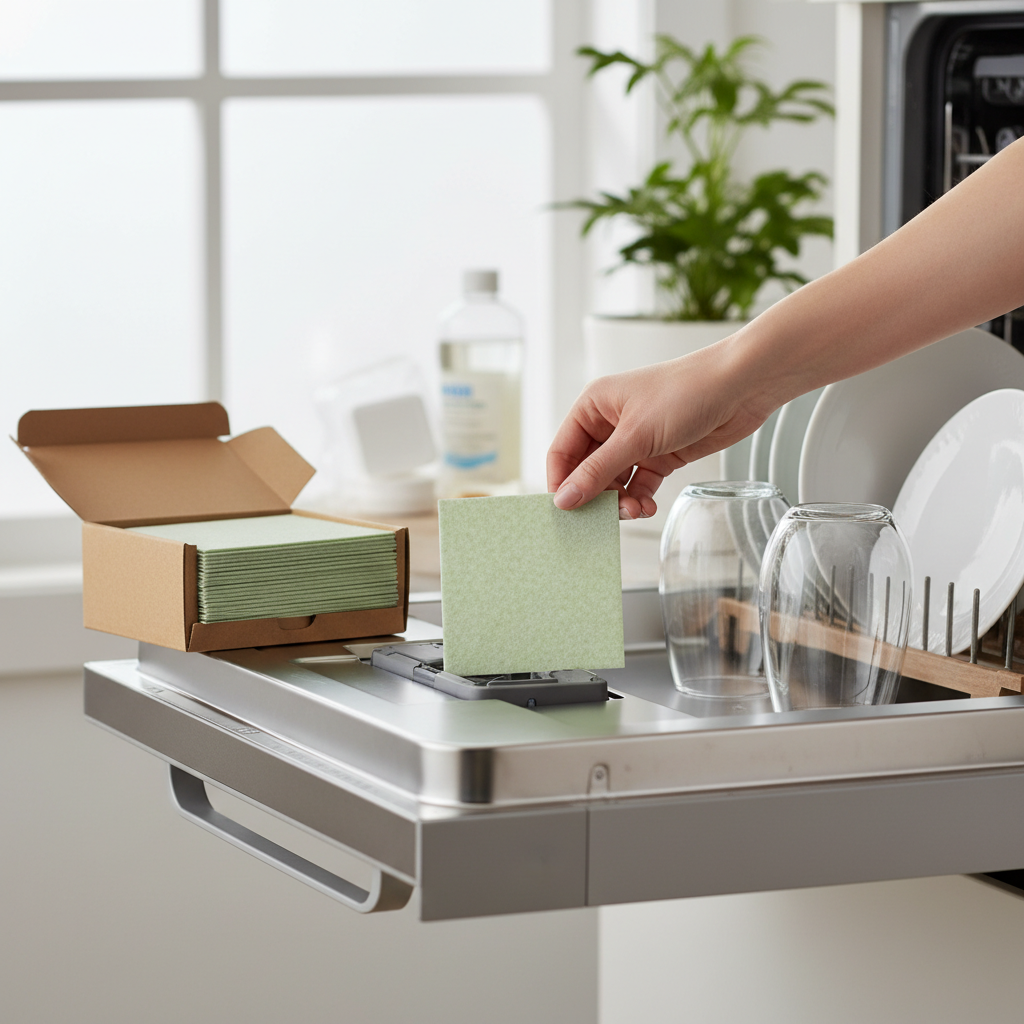
Few things are as frustrating as opening your dishwasher after a seemingly successful cycle only to find dirty dishes, or worse, a detergent tablet still sitting intact in its dispenser. A stuck dishwasher detergent dispenser door is a common issue that can undermine your appliance’s ability to clean effectively. It wastes detergent, energy, and your time. But don’t worry, in most cases, this is a problem you can tackle yourself with a bit of knowledge and some simple tools. This comprehensive guide will walk you through the common causes, detailed troubleshooting steps, and preventative measures to ensure your dishwasher dispenses detergent precisely when it needs to, delivering sparkling clean results every time.
Understanding Your Dishwasher Detergent Dispenser
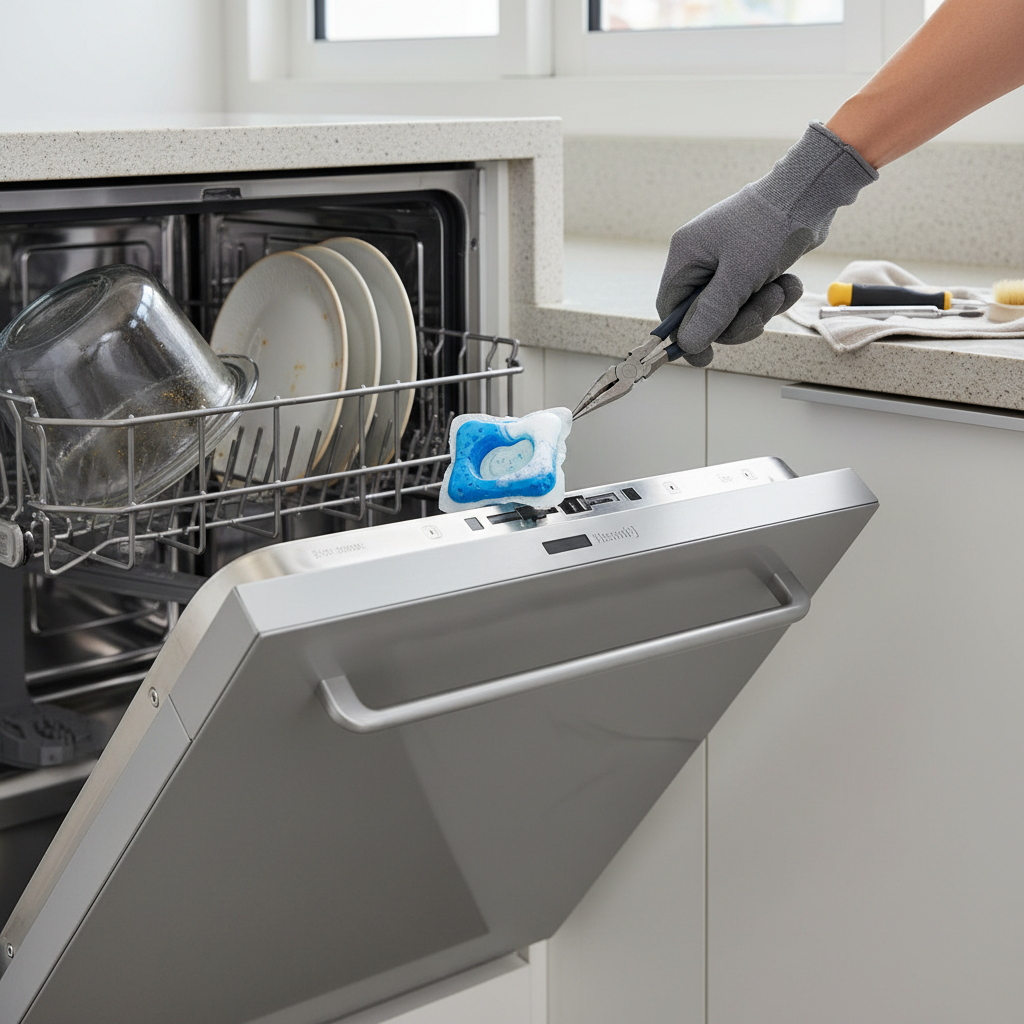
At its core, a dishwasher detergent dispenser is a clever mechanism designed to release cleaning agents at the optimal moment during a wash cycle. Typically, the dispenser remains closed during the initial pre-wash rinse, preventing the detergent from being washed away too early. During the main wash phase, a latch is triggered, often by a spring mechanism, to open the compartment. This allows the detergent – whether a powder, gel, or tablet – to mix with the hot water and begin its cleaning action. A functional dispenser is crucial for achieving clean dishes, as it ensures the detergent is introduced effectively into the wash, breaking down food particles and grease. When this seemingly simple door fails to open or gets stuck, the entire cleaning process is compromised.
Why Does Your Dispenser Door Get Stuck? Common Causes
Understanding the root cause of a stuck dispenser door is the first step toward a successful fix. Several factors can contribute to this common dishwasher dilemma:
Detergent Residue Buildup and Debris
|
Our Picks for the Best Dishwasher tablets in 2026
As an Amazon Associate I earn from qualifying purchases.
|
||
| Num | Product | Action |
|---|---|---|
| 1 | BLUELAND 100% Plastic-Free Dishwasher Detergent Tablets, 60 Count, Free & Clear, Eco-Friendly Dishwashing Pods, Natural, USDA Certified biobased |

|
| 2 | Finish Quantum Dishwasher Pods, No Pre-Rinse Dishwasher Detergent Soap Removes 24HR Dried-On Stain and Grease, Leaving a Virtually Spotless Shine, 100 Count |
|
| 3 | Finish Classic Dishwasher Pods, No Pre-Rinse Dishwasher Detergent Soap For Clean & Shine everyday with grease fighting Power, 84 count |
|
| 4 | Finish Quantum Dishwasher Pods, No Pre-Rinse Dishwasher Detergent Soap Removes 24HR Dried-On Stain and Grease, Leaving a Virtually Spotless Shine, 82 Count |
|
| 5 | Cascade Platinum Plus Dishwasher Pods, Dish Detergent Soap, Clean Scent, 62 Count |
|
| 6 | Cascade Complete Dishwasher Pods - Fresh Scent ActionPacs, Dishwasher Detergent, Dishwasher Soap, Detergent Pods, 78 Count |
|
| 7 | BLUELAND 100% Plastic-Free Dishwasher Detergent Tablets, Starter Set, 60 Count with tin, Free & Clear, Eco-Friendly Dishwashing Pods, Natural, USDA Certified biobased |
|
| 8 | Cascade Complete Dishwasher Detergent Pods Fresh Scent Value Pack, Powerful Dishwasher Pods for Sparkling Clean Dishes, Grease-Fighting Dishwashing Detergent Tablets, 100 Count |
|
| 9 | BLUELAND 100% Plastic-Free Dishwasher Detergent Tablets, 120 Count, Free & Clear, Eco-Friendly Dishwashing Pods, Natural, USDA Certified biobased |
|
| 10 | Finish - All in 1 - Dishwasher Detergent - Powerball - Dishwashing Tablets - Dish Tabs - Fresh Scent, 94 Count (Pack of 1) - Packaging May Vary |
|
This is perhaps the most frequent culprit. Over time, sticky soap residue, dried detergent, or even small food particles can accumulate around the latch and hinges of the dispenser door. This buildup acts like a glue or an obstruction, preventing the door from springing open cleanly. Hard water can exacerbate this problem, leaving behind mineral deposits that combine with detergent to form a stubborn blockage.
Damaged Latch or Spring Mechanism
The dispenser door relies on a small latch to stay closed and a spring to open. If the latch is worn, cracked, warped, or misaligned, it may not engage properly or release smoothly. Similarly, if the spring becomes loose, bent, or breaks entirely, the door loses the tension needed to open at the correct time during the cycle. This mechanical failure often requires closer inspection and sometimes, part replacement.
Physical Obstructions Inside the Dishwasher
Sometimes the problem isn’t with the dispenser itself, but with what’s around it. Taller dishes, cutting boards, or large utensils placed in the lower rack can inadvertently block the dispenser door’s path, preventing it from opening fully or at all. The spray arms need an unobstructed path, and so does the dispenser door.
Improper Detergent Usage
Using too much detergent, especially with powder or gel, can lead to excessive sudsing and residue buildup that gums up the dispenser. If using detergent pods or tablets, incorrectly jamming them into the dispenser can prevent the door from releasing. Some pods might expand prematurely if exposed to moisture, causing them to stick.
Misaligned Cycle (Older Models)
For some older dishwasher models with manual cycle dials, the dispenser might be designed not to open if the dial is not precisely at the very beginning of a wash cycle. If the cycle was interrupted or the dial was advanced manually to an incorrect position, the dispenser’s timing mechanism could be out of sync.
Mechanical Damage to the Dispenser Unit
Beyond just the latch and spring, the entire dispenser unit can sustain damage. Cracks in the plastic housing, warping due to heat, or other structural issues can cause the door to bind and prevent it from moving freely.
Electrical or Control Board Issues
While less common for a stuck door (more likely to cause no opening at all), in some cases, a faulty control board or damaged wiring could fail to send the signal that triggers the dispenser to open. This usually manifests as a complete lack of response rather than a physical jam.
Step-by-Step Guide to Fixing a Stuck Dishwasher Dispenser Door
Before you begin any troubleshooting, always prioritize safety. Working with appliances can involve electrical hazards and moving parts.
Safety First: Disconnect Power
Absolutely crucial: Unplug your dishwasher from the wall outlet or switch off the circuit breaker that controls your dishwasher before you start any inspection or repair. This prevents accidental activation and electric shock.
Step 1: Inspect for Obstructions
Open your dishwasher door completely. Visually inspect the area directly in front of the detergent dispenser. Are there any tall dishes, serving trays, cutting boards, or utensils that could be blocking the dispenser door from swinging open? Rearrange your dishes if necessary, ensuring a clear path for the dispenser.
Step 2: Thoroughly Clean the Dispenser Area
This is often the simplest and most effective fix.
- Wipe Down: Use a damp cloth to wipe away any visible detergent residue or grime around the dispenser door and its edges.
- Scrub the Edges: Grab an old toothbrush or a small cleaning brush with stiff bristles. Scrub meticulously around the latch mechanism, hinges, and any grooves where detergent buildup might be hiding.
- Hot Water Treatment: For stubborn, hardened residue, boil a kettle of hot water. Carefully pour the hot water directly into the dispenser cup and over the latch mechanism. Let it sit for 5-10 minutes to soften the buildup. Then, scrub again with the toothbrush. Repeat if necessary.
- Descaling for Hard Water: If you live in an area with hard water, mineral deposits can be a significant contributor. Apply a mineral descaling solution (like CLR – Calcium, Lime, and Rust cleaner) to the affected areas, following the product’s instructions. Rinse thoroughly after cleaning.
Step 3: Examine the Latch and Spring Mechanism
With the dispenser clean, inspect the mechanical components.
- Open and Close Manually: Gently try to open and close the dispenser door manually. Does it move freely, or does it still feel sticky or catch?
- Inspect the Latch: Look for any visible damage to the latch itself – cracks, chips, bending, or misalignment. If the latch is physically broken, it will likely need replacement.
- Check the Spring: Many dispensers have a small spring that aids in opening the door. If you can access the latch area (you may need to remove a small inner panel or cover, depending on your model), check if the spring is loose, disconnected, or bent.
“The spring mechanism is vital for ensuring the dispenser door snaps open at the right time. A worn or broken spring is a common mechanical failure that prevents proper detergent release.”
Step 4: Verify Cycle Position (for Older Models)
If your dishwasher has a physical cycle dial, ensure it is set to the very beginning of a wash cycle. If the dial is midway through a cycle, the dispenser might be designed to remain locked. Advance the dial to the start position, then try to close and open the dispenser door.
Step 5: Replace Damaged Latch or Spring (If Necessary)
If cleaning and checking the cycle position don’t resolve the issue, and you’ve identified a broken latch or spring, replacement might be the next step. This usually requires a compatible replacement part specific to your dishwasher make and model.
Tools You’ll Need:
- Phillips and flathead screwdrivers
- Pliers (if dealing with springs or small clips)
- Replacement latch or spring kit
- Multimeter (if you suspect electrical issues, but only use if you are comfortable and trained in electrical testing)
Replacement Process (General Steps):
- Disconnect Power: Re-confirm the power is off!
- Access the Dispenser: Open the dishwasher door. You’ll typically need to locate and remove screws holding the inner door panel or the dispenser cover in place.
- Remove Old Part: Carefully remove the faulty latch or spring. Pay attention to how the existing components are assembled – taking photos can be helpful for reassembly.
- Install New Part: Place the new latch or spring in its correct position. Secure it with screws or reconnect any clips.
- Reconnect Wires (if applicable): If your latch mechanism has electrical wiring connected to a control board, reattach them securely.
- Reassemble: Put the inner door panel or dispenser cover back in place and secure with screws.
- Test: Restore power to the dishwasher. Close the dispenser door and manually test its operation. Then, run a short rinse cycle (without dishes) to confirm the dispenser opens correctly during the cycle.
Advanced Troubleshooting: When DIY Isn’t Enough
If you’ve followed all the steps above and your dispenser door is still stuck or not operating, the problem might be more complex. This could point to a deeper electrical issue with the control board, a faulty wax motor (a common component that triggers the latch), or a more intricate mechanical failure within the door assembly. At this point, attempting further DIY repairs without specialized knowledge can be risky and may cause more damage.
Preventative Maintenance for a Smooth-Operating Dispenser
Once you’ve fixed your dispenser door, consistent maintenance can help prevent future issues and extend the life of your appliance.
- Regular Cleaning Habits: Make it a habit to wipe down the detergent dispenser compartment weekly. For hard water areas, a quick hot water rinse or descaling treatment monthly can keep buildup at bay.
- Using the Right Detergent: Always use high-quality dishwasher detergent suitable for your machine. Avoid overfilling the dispenser with powder or gel. If using pods, place them correctly without forcing or jamming them.
- Load Your Dishwasher Correctly: Always ensure that no dishes, particularly tall items in the lower rack, block the dispenser door’s path. Proper loading allows free movement of water and detergent.
- Gentle Handling: Avoid slamming the dishwasher door shut or forcing the dispenser door. Gentle handling prevents unnecessary wear and tear on the latch and hinges.
- Run Maintenance Cycles: Periodically run an empty hot water cycle with a dishwasher cleaner to help dissolve any accumulated grease, food particles, and detergent residue throughout the appliance, including the dispenser.
When to Call a Professional Appliance Technician
While many dispenser door issues are simple DIY fixes, there are times when professional help is warranted. If:
- The problem persists after thorough cleaning and part replacement.
- You suspect an electrical fault with the control board or wiring.
- You’re uncomfortable performing a repair that involves disassembling parts of your dishwasher.
- The issue seems complex, beyond a simple latch or spring problem.
A qualified appliance technician can diagnose the exact problem and perform necessary repairs or replacements safely and efficiently.
Buying Guide: Choosing a Replacement Dispenser (If Needed)
If your dispenser unit is irreparable and needs to be replaced entirely, consider these factors:
- Compatibility: Ensure the replacement part is specifically designed for your dishwasher’s make, model, and serial number. Using an incompatible part can lead to further problems.
- Reviews and Warranty: Check reviews for the replacement part and ensure it comes with a warranty.
- Budget: Replacement dispensers can vary in price. Balance cost with quality and expected longevity.
Conclusion
A stuck dishwasher dispenser door is a nuisance that directly impacts your kitchen’s cleanliness. By understanding the common causes – from detergent buildup and damaged springs to physical obstructions – and systematically troubleshooting the issue, you can often restore your dishwasher’s full functionality. Regular cleaning, proper loading, and mindful detergent use are key preventative measures that will keep your dispenser operating smoothly for years to come. Don’t let a small mechanical hiccup lead to piles of dirty dishes or unnecessary replacements. A little attention can go a long way in maintaining one of your most valuable kitchen appliances.
What is your next step in ensuring your dishwasher runs flawlessly?
Câu Hỏi Thường Gặp
Why is my dishwasher leaving soap in the dispenser after a cycle?
This usually indicates the dispenser door failed to open or opened too late. Common reasons include detergent buildup obstructing the latch, a broken spring, or dishes blocking the door’s path. It could also be due to incorrect water pressure or a timing error in the wash cycle.
Can I put a dishwasher pod directly in the tub?
While you can technically place a pod directly in the main tub, it’s not recommended for optimal cleaning. The dispenser is designed to release the detergent at a specific time in the cycle, ensuring it’s available for the main wash and not washed away prematurely during the pre-rinse.
What causes dishwasher pods not to dissolve?
Dishwasher pods might not dissolve if the dispenser door doesn’t open, if water circulation is poor due to improper loading, or if the water temperature is too low. A short cycle or issues with the water spray arms can also prevent complete dissolution.
How often should I clean my dishwasher dispenser?
A quick wipe-down of the dispenser compartment weekly is a good habit. For a more thorough cleaning, especially if you have hard water or notice residue, aim for a deep clean (e.g., using hot water or descaling solution) once a month or as needed.