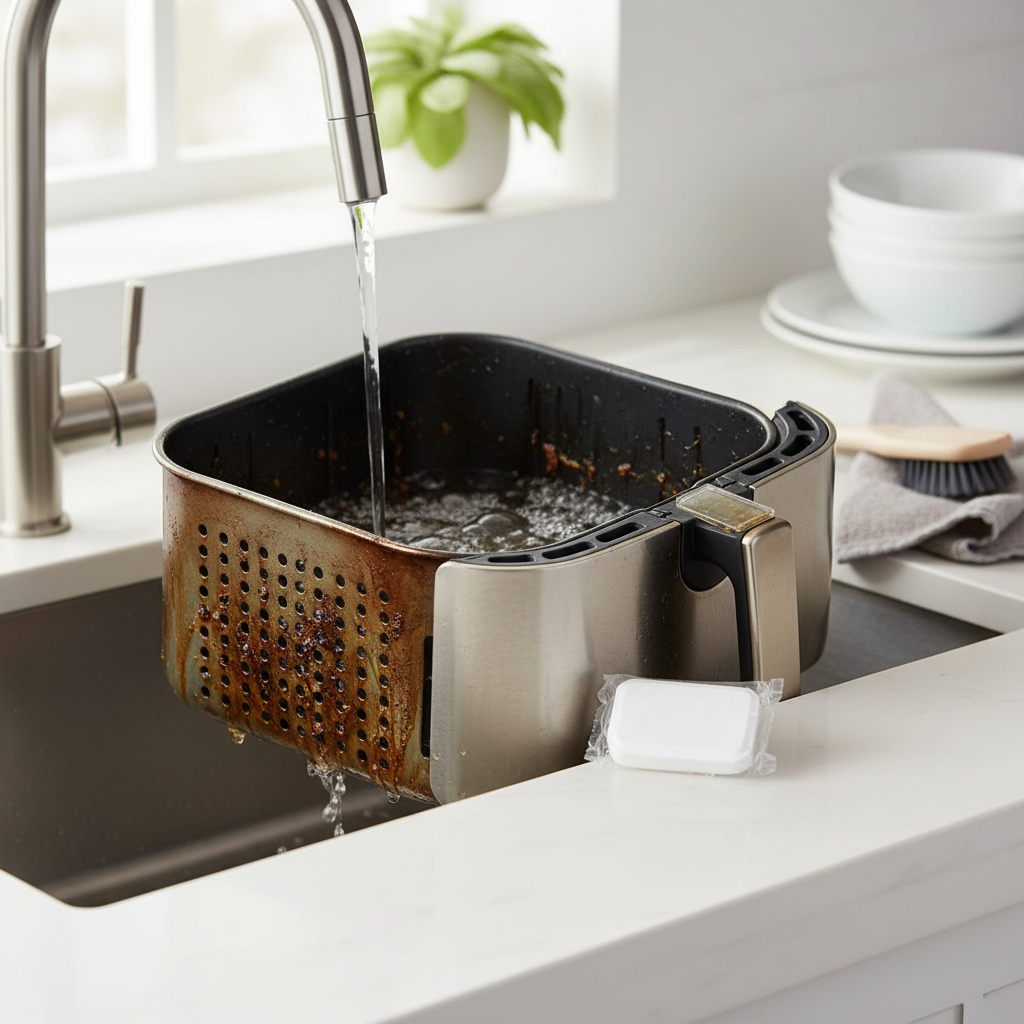
Maintaining a sparkling clean kitchen is a point of pride for many, and the dishwasher plays an indispensable role in achieving this. For years, dishwasher tablets have revolutionized our cleaning routines, offering unparalleled convenience and efficiency. We pop a small, potent tablet into the dispenser, press start, and expect pristine dishes in return. But have you ever paused to consider that even these seemingly inert cleaning powerhouses come with a hidden clock? Just like many household products, dishwasher tablets have a shelf life, and overlooking their expiry date can surprisingly impact everything from your dishes’ cleanliness to your machine’s performance. Understanding why and how to check this crucial detail ensures you get the most out of every wash.
What Are Dishwasher Tablets?
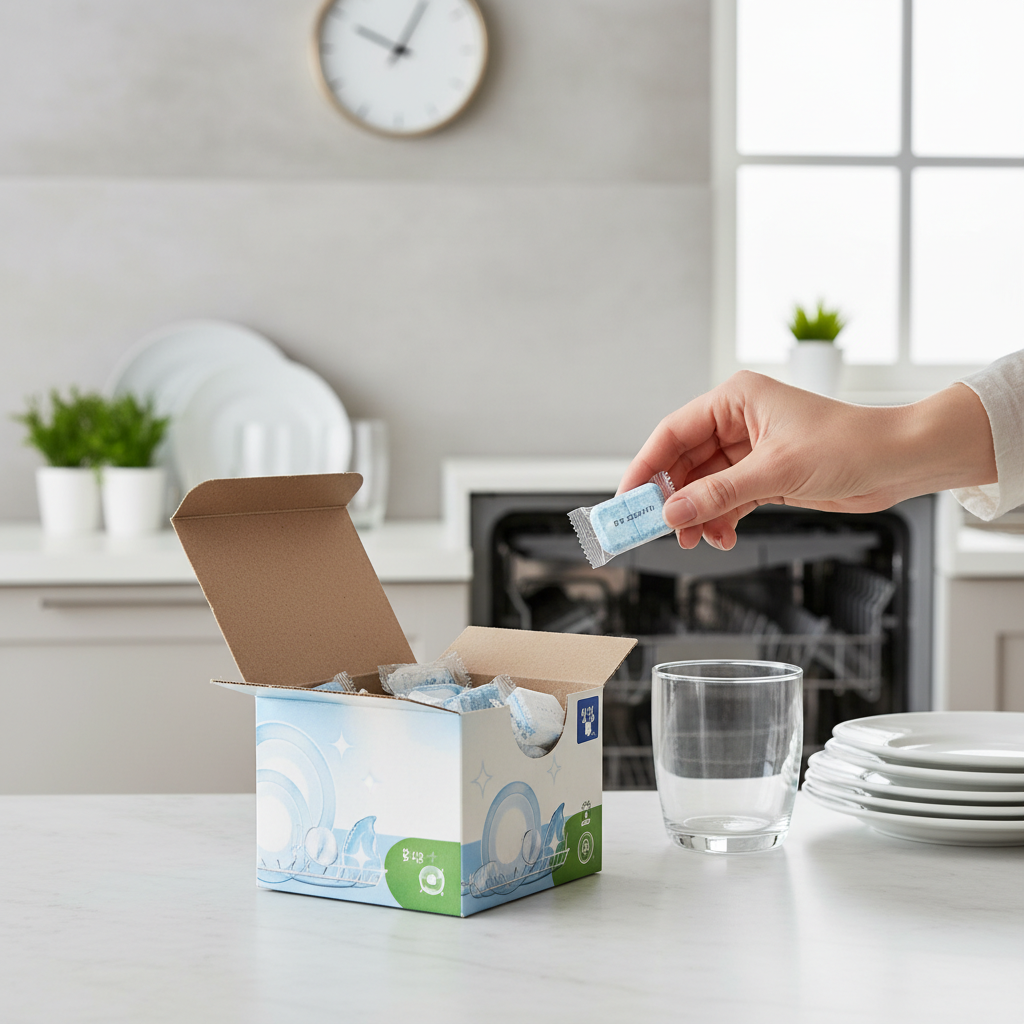
Dishwasher tablets are pre-measured, concentrated doses of detergent specifically designed for automatic dishwashers. These compact cleaning marvels typically combine various powerful ingredients, including enzymes to break down food particles, surfactants to lift grease, bleaching agents for stain removal, and rinse aid for a spot-free finish. Some advanced formulations also incorporate water softeners and machine protection agents, all compressed into a convenient, dissolvable form. Their purpose is simple: to deliver effective cleaning without the guesswork of measuring powders or gels, streamlining your dishwashing process.
Why Use Dishwasher Tablets?
The appeal of dishwasher tablets lies in their numerous advantages over traditional powder or gel detergents. Their pre-dosed format eliminates mess and ensures consistent cleaning results with every cycle. This convenience saves time and reduces waste, as there’s no need for measuring cups or spills. Furthermore, many tablets are multi-functional, combining detergent, rinse aid, and salt in one, simplifying your shopping and storage. They are highly effective at tackling tough grease and stubborn food stains, often outperforming other detergent types. Beyond cleaning, modern tablets are formulated to help protect your dishwasher from limescale buildup and corrosion, contributing to the appliance’s longevity and efficient operation. This blend of ease, efficiency, and protective qualities makes them a popular choice for busy households seeking optimal dishwashing performance.
Do Dishwasher Tablets Really Expire? Understanding Their Shelf Life
It’s a common misconception that cleaning products, including dishwasher tablets, last indefinitely. In reality, dishwasher tablets do have a finite shelf life, meaning their effectiveness can diminish over time. The active ingredients responsible for their cleaning power, such as enzymes, surfactants, and bleaching agents, are not eternally stable. Enzymes, for instance, are biological catalysts designed to break down proteins, starches, and fats, but they can degrade when exposed to adverse conditions.
Typically, most dishwasher tablets maintain optimal performance for about 12 to 15 months from their manufacturing date. Some brands may offer a slightly longer shelf life, sometimes up to two years, especially if kept in their original, unopened packaging under ideal conditions. Factors like exposure to moisture, humidity, fluctuating temperatures, and air can accelerate the degradation process, causing these powerful ingredients to lose their potency. This degradation means that while an “expired” tablet might still create suds, its ability to thoroughly clean, remove tough stains, and leave dishes sparkling is significantly reduced.
Why You Need to Check the Expiry Date: The Risks of Using Expired Tablets
Overlooking the expiry date on your dishwasher tablets might seem minor, but it can lead to several undesirable outcomes, impacting your cleaning results and potentially your dishwasher’s efficiency.
The primary risk is reduced cleaning effectiveness. As the active enzymes and surfactants degrade, their ability to break down food particles, grease, and tough stains weakens. This often results in dishes emerging from the dishwasher still dirty, greasy, or covered in streaks, requiring a frustrating re-wash. You might notice dull glassware or lingering food residue, undermining the very purpose of using a dishwasher.
Another common issue is residue and clogging. Expired tablets, especially those exposed to moisture, can become clumpy or fail to dissolve completely during the wash cycle. Undissolved detergent can leave unsightly white residue on your dishes and glassware. Worse, these undissolved clumps can accumulate in the detergent dispenser, clog the dishwasher’s spray arms, or even block internal filters. Over time, this buildup can impede water flow, reduce the machine’s cleaning efficiency, and potentially lead to costly maintenance issues.
Furthermore, using ineffective tablets can contribute to unpleasant odors in your dishwasher. When food particles aren’t thoroughly washed away due to a weak detergent, they can decompose and leave a stale, musty smell inside the appliance. This can transfer to your “clean” dishes, making them less appealing.
While using an expired dishwasher tablet is generally considered safe and unlikely to cause severe mechanical damage to your dishwasher, it undoubtedly diminishes performance and can increase your utility bills due to repeated cycles. In rare cases, if the tablet has significantly degraded and perhaps been exposed to contaminants, there’s a theoretical, albeit low, risk of bacterial growth, which is certainly something to avoid in a food-contact environment.
How to Identify Expired Dishwasher Tablets
Recognizing an expired dishwasher tablet is often straightforward if you know what to look for. Visual cues are usually the most apparent indicators. If your tablets appear discolored, turning yellow or brown, or if their outer film looks compromised or disintegrating, these are strong signs of degradation. Clumping or tablets sticking together in the packaging also indicates exposure to moisture and age.
Beyond visual inspection, pay attention to olfactory cues. A fresh dishwasher tablet typically has a distinct, often pleasant, scent. If your tablets lack their usual fragrance, or worse, have an unusual or chemical odor, it suggests that the ingredients have broken down.
Finally, the most definitive sign of an expired tablet will be its performance. If your dishes are consistently coming out of the dishwasher less than sparkling – perhaps still greasy, streaky, or with visible food particles – even when your dishwasher itself is clean and functioning correctly, an aged tablet could very well be the culprit. Trust your experience; if the cleaning power isn’t what it used to be, it’s time to check those dates.
Maximizing the Lifespan of Your Dishwasher Tablets: Proper Storage
Proper storage is paramount to extending the shelf life and maintaining the efficacy of your dishwasher tablets. The key is to protect them from their biggest enemies: moisture, humidity, and air. Always keep tablets in their original packaging until ready for use, as this packaging is designed to create a protective barrier. Once opened, transfer any remaining tablets to an airtight container. This extra layer of protection significantly reduces exposure to ambient moisture and air, which can prematurely activate or degrade the ingredients.
Store the container in a cool, dry place, away from direct sunlight, heat sources, and areas prone to high humidity, such as under the sink or near the dishwasher’s vent. A pantry shelf or a high cabinet is often an ideal location. Avoiding drastic temperature fluctuations is also beneficial. By following these simple storage tips, you can ensure your dishwasher tablets remain potent and ready to deliver optimal cleaning performance for as long as possible, preventing premature degradation and wasted product.
Comparing Leading Dishwasher Tablet Brands
The market for dishwasher tablets is diverse, with several leading brands consistently innovating to provide superior cleaning performance. Brands like Finish, Cascade, and Somat are household names, each offering unique formulations tailored to different needs and preferences. While specific shelf-life claims can vary, the general principles of ingredient degradation apply across all brands. Consumers often weigh factors such as price, ingredient list (e.g., presence of enzymes, phosphates, rinse aid), environmental certifications, and overall cleaning effectiveness when making a choice. User reviews frequently highlight the impact of hard water areas on performance and the importance of a tablet’s ability to dissolve completely.
Detailed Comparison Table
| Brand | Price Range (per tablet) | Key Ingredients (Common) | Cleaning Effectiveness (General) | User Reviews (Common Themes) |
|---|---|---|---|---|
| Finish | Mid to High | Enzymes, Bleach, Shine Boosters, Glass Protectants | Excellent, tackles tough stains | Reliable, great for hard water, streak-free |
| Cascade | Mid to High | Enzymes, Bleach, Water Softeners | Very Good, powerful grease cutting | Consistent, leaves dishes sparkling |
| Somat | Mid | Enzymes, Active Oxygen, Rinse Aid | Good, effective against baked-on food | Value for money, good all-rounder, fresh scent |
Guide to Choosing the Right Dishwasher Tablet
Selecting the perfect dishwasher tablet involves more than just picking a brand off the shelf; it requires considering your specific needs and circumstances. First, assess your usage habits: how often do you run your dishwasher, and how soiled are your dishes typically? For heavily soiled loads, a more potent, multi-action tablet might be beneficial.
Next, examine the ingredients and features. Look for formulations that address your water hardness (some include built-in water softeners) or specific concerns like glass corrosion. Prioritize products with safety certifications and those friendly to the environment, especially if you have sensitivities or prefer eco-conscious options. Always read the instructions carefully, not just for usage but also for storage recommendations, as these impact shelf life. Finally, consult user reviews from people with similar dishwashers and water conditions; their real-world experiences can provide invaluable insights into a tablet’s true performance and longevity.
Where to Buy Dishwasher Tablets?
Dishwasher tablets are widely available, making them easy to purchase regardless of your preferred shopping method. You can find them at most major supermarkets and grocery stores, often in the cleaning supplies aisle alongside other dishwashing detergents. Drugstores and convenience stores also typically stock a selection of popular brands.
For a wider variety and often more competitive pricing, consider shopping at large retail chains or appliance stores. Online, e-commerce platforms like Amazon, eBay, Shopee, Lazada, and Tiki offer an extensive range of brands, sizes, and formulations, often with the convenience of home delivery and customer reviews. Some manufacturers or specialized cleaning supply retailers also sell directly from their official websites, which can be a good source for bulk purchases or unique products. Always compare prices and check for promotions to get the best deal.
Tips for Effective Dishwasher Tablet Use
To ensure you’re getting the best performance from your dishwasher tablets and extending their life, here are some essential tips:
- Place correctly: Always put the tablet in the designated detergent dispenser. Avoid throwing it directly into the dishwasher tub, as it might dissolve too quickly or incompletely.
- Don’t overuse: Using more than one tablet per cycle is unnecessary and can lead to excessive suds, residue, and potential clogging.
- Check the expiry date: Before each use, quickly glance at the packaging for the manufacturing or best-before date. If it’s past its prime, consider its reduced effectiveness.
- Maintain your dishwasher: Regularly clean your dishwasher’s filter, spray arms, and interior to prevent food debris and hard water buildup, which can hinder even the best tablets.
- Store properly: As discussed, keep tablets in an airtight container in a cool, dry place to prevent premature degradation.
- Pre-rinse wisely: While modern tablets are designed for no pre-rinsing, scraping off large food scraps is always advisable to prevent blockages and improve cleaning.
Dishwasher Tablet Buying Guide
When investing in dishwasher tablets, a mindful approach can ensure you choose products that align with your needs and offer the best value.
- Budget: Determine your spending comfort zone. While premium tablets often boast advanced features, many mid-range options deliver excellent results. Calculate the cost per tablet, not just the box price.
- Ingredients & Safety: Opt for tablets with natural, biodegradable ingredients if environmental concerns are a priority. Check for certifications that ensure safety for your household and septic system. If you have allergies, review the ingredient list carefully.
- Performance & Reviews: Research is key. Read independent reviews and testimonials from other users. Pay attention to how tablets perform in various water hardness levels and against different types of food soil.
- Certifications: Look for recognized environmental labels (e.g., EPA Safer Choice) or certifications for biodegradability and non-toxicity, which add an extra layer of trust and quality assurance.
- Packaging & Storage: Consider the packaging. Individual wrappers offer protection but create more waste. If buying in bulk, ensure you have appropriate airtight storage to maintain freshness. Always check for a manufacturing or expiry date on the packaging at the point of purchase.
Common Mistakes When Using Dishwasher Tablets and How to Fix Them
Even experienced dishwasher users can make mistakes that impact cleaning efficiency. One frequent error is using expired tablets, leading to suboptimal cleaning. The fix is simple: always check the date and store tablets correctly. If you notice dishes are still dirty, try a fresh tablet before blaming your machine.
Another common issue is tablets not dissolving completely. This can be due to overloading the dishwasher, which blocks the dispenser, or using aged tablets that have hardened. To fix this, avoid blocking the dispenser door, ensure spray arms are free to rotate, and consider if your tablets might be past their prime.
Bát đĩa không sạch sau khi rửa (Dishes not clean after washing) can also stem from insufficient water temperature or clogged spray arms/filters. Regularly clean your dishwasher and ensure your water heater is set to an adequate temperature (around 120°F/49°C).
Finally, a smelly dishwasher might indicate food debris buildup or a need for a machine cleaner. While not directly caused by tablets, using ineffective or partially dissolved tablets can contribute to this problem by leaving residue. Run an empty cycle with a dishwasher cleaner or white vinegar periodically.
“Many users mistakenly believe dishwasher tablets are immune to degradation. In my decade of experience, I’ve seen countless cases where poor cleaning performance was directly linked to using tablets past their prime. Proper storage and checking dates are non-negotiable for sparkling results.” – John Smith, Dishwasher Appliance Technician
Conclusion
Dishwasher tablets are undoubtedly a convenience in modern kitchens, simplifying the task of cleaning dishes. However, to truly harness their power and ensure consistently sparkling results, it’s essential to recognize that these potent cleaning agents have an expiry date. Ignoring this crucial detail can lead to wasted effort, dirty dishes, and potential issues with your appliance.
By understanding how enzymes and other active ingredients degrade, learning to spot the tell-tale signs of an expired tablet, and committing to proper storage, you empower yourself to make informed choices. This simple habit protects your investment in quality tablets and keeps your dishwasher running at its peak. Remember, a clean dish starts with a fresh tablet. When was the last time you checked the expiry date on yours?
Frequently Asked Questions
Do dishwasher tablets really lose their effectiveness over time?
|
Our Picks for the Best Dishwasher tablets in 2026
As an Amazon Associate I earn from qualifying purchases.
|
||
| Num | Product | Action |
|---|---|---|
| 1 | BLUELAND 100% Plastic-Free Dishwasher Detergent Tablets, 60 Count, Free & Clear, Eco-Friendly Dishwashing Pods, Natural, USDA Certified biobased |

|
| 2 | Cascade Complete Dishwasher Detergent Pods Fresh Scent Value Pack, Powerful Dishwasher Pods for Sparkling Clean Dishes, Grease-Fighting Dishwashing Detergent Tablets, 100 Count |
|
| 3 | BLUELAND 100% Plastic-Free Dishwasher Detergent Tablets, 120 Count, Free & Clear, Eco-Friendly Dishwashing Pods, Natural, USDA Certified biobased |
|
| 4 | Finish - All in 1 - Dishwasher Detergent - Powerball - Dishwashing Tablets - Dish Tabs - Fresh Scent, 94 Count (Pack of 1) - Packaging May Vary |
|
| 5 | BLUELAND 100% Plastic-Free Dishwasher Detergent Tablets, Starter Set, 60 Count with tin, Free & Clear, Eco-Friendly Dishwashing Pods, Natural, USDA Certified biobased |
|
| 6 | Finish Quantum Dishwasher Pods, No Pre-Rinse Dishwasher Detergent Soap Removes 24HR Dried-On Stain and Grease, Leaving a Virtually Spotless Shine, 100 Count |
|
| 7 | Finish Classic Dishwasher Pods, No Pre-Rinse Dishwasher Detergent Soap For Clean & Shine everyday with grease fighting Power, 84 count |
|
| 8 | Finish Quantum Dishwasher Pods, No Pre-Rinse Dishwasher Detergent Soap Removes 24HR Dried-On Stain and Grease, Leaving a Virtually Spotless Shine, 82 Count |
|
| 9 | Cascade Platinum Plus Dishwasher Pods, Dish Detergent Soap, Clean Scent, 62 Count |
|
| 10 | Cascade Complete Dishwasher Pods - Fresh Scent ActionPacs, Dishwasher Detergent, Dishwasher Soap, Detergent Pods, 78 Count |
|
Yes, dishwasher tablets absolutely lose their effectiveness. Their active ingredients, such as enzymes and surfactants, degrade when exposed to air, moisture, and fluctuating temperatures. This degradation diminishes their ability to break down food particles and grease, leading to less effective cleaning results.
What happens if I use an expired dishwasher tablet?
Using an expired dishwasher tablet generally won’t damage your machine or dishes, but it will significantly reduce cleaning performance. You might find dishes are still dirty, greasy, or have streaks, and undissolved detergent residue could accumulate in your dishwasher, potentially causing clogs or odors.
How long do dishwasher tablets typically last?
Most dishwasher tablets have a shelf life of 12 to 15 months from their manufacturing date, though some premium brands might last up to two years if stored correctly. Always check the packaging for specific date recommendations, often a “best before” or manufacturing date code.
Can expired dishwasher tablets cause damage to my dishwasher?
While typically not causing direct mechanical damage, expired tablets can indirectly affect your dishwasher’s performance. Undissolved residue from degraded tablets can clog spray arms, filters, or the detergent dispenser, leading to reduced water flow and decreased cleaning efficiency over time.
How should I store dishwasher tablets to prevent them from expiring prematurely?
To maximize their lifespan, store dishwasher tablets in an airtight container in a cool, dry place, away from direct sunlight, heat, and high humidity. Keeping them in their original, sealed packaging until needed is also crucial to protect them from environmental exposure.