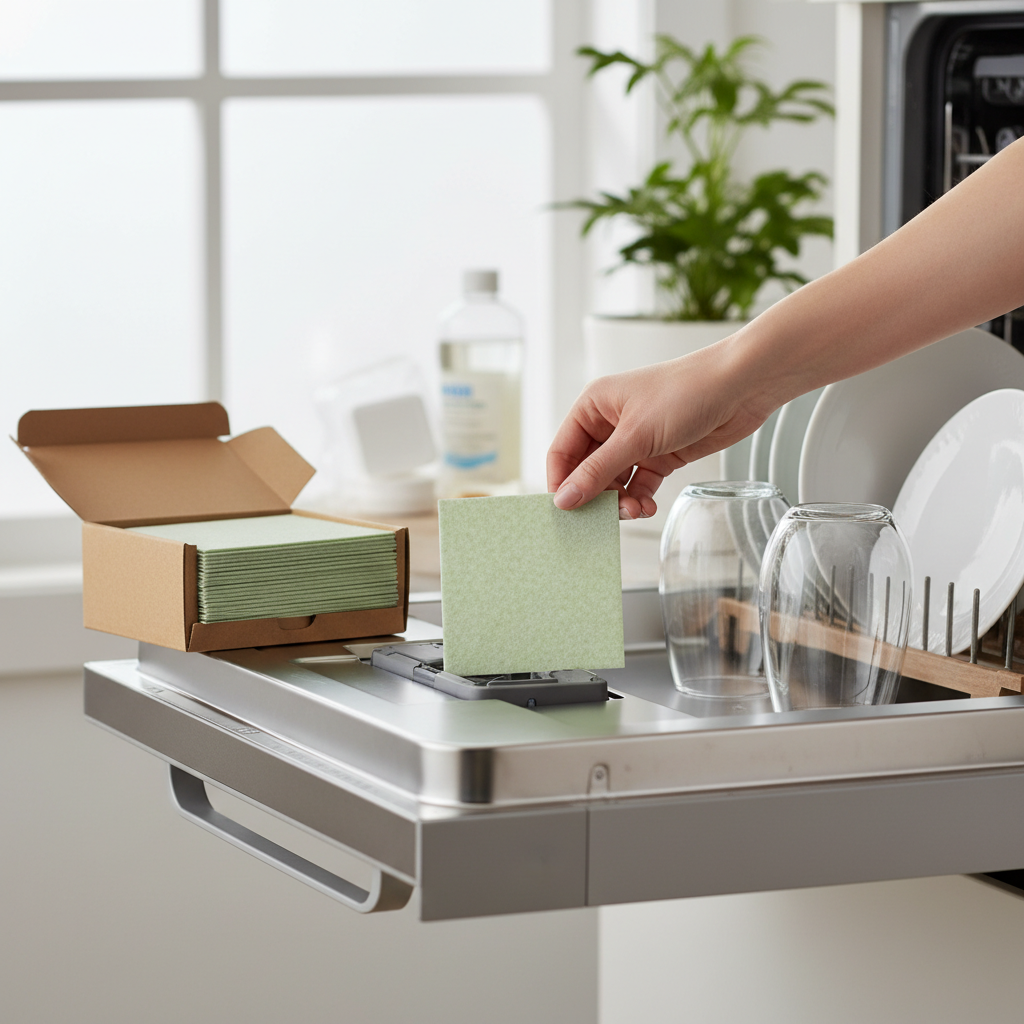
Tired of pulling out dishes from your dishwasher only to find stubborn, crusty starch residues clinging to them? You know the kind – leftover pasta sauces, dried oatmeal, or sticky potato remnants that seem impervious to a regular wash cycle. It’s a common kitchen frustration, but there’s a powerful solution at your fingertips: enzyme-based dishwasher tablets. This comprehensive guide will delve into what makes these tablets so effective, why they are a superior choice for starch removal, and help you navigate the market to find the perfect product for your home.
What Are Enzyme-Based Dishwasher Tablets?
|
Our Picks for the Best Dishwasher tablets in 2026
As an Amazon Associate I earn from qualifying purchases.
|
||
| Num | Product | Action |
|---|---|---|
| 1 | BLUELAND 100% Plastic-Free Dishwasher Detergent Tablets, Starter Set, 60 Count with tin, Free & Clear, Eco-Friendly Dishwashing Pods, Natural, USDA Certified biobased |

|
| 2 | BLUELAND 100% Plastic-Free Dishwasher Detergent Tablets, 60 Count, Free & Clear, Eco-Friendly Dishwashing Pods, Natural, USDA Certified biobased |
|
| 3 | Finish Quantum Dishwasher Pods, No Pre-Rinse Dishwasher Detergent Soap Removes 24HR Dried-On Stain and Grease, Leaving a Virtually Spotless Shine, 100 Count |
|
| 4 | Finish - All in 1 - Dishwasher Detergent - Powerball - Dishwashing Tablets - Dish Tabs - Fresh Scent, 94 Count (Pack of 1) - Packaging May Vary |
|
| 5 | Finish Quantum Dishwasher Pods, No Pre-Rinse Dishwasher Detergent Soap Removes 24HR Dried-On Stain and Grease, Leaving a Virtually Spotless Shine, 82 Count |
|
| 6 | Cascade Platinum Plus Dishwasher Pods, Dish Detergent Soap, Clean Scent, 62 Count |
|
| 7 | BLUELAND 100% Plastic-Free Dishwasher Detergent Tablets, 120 Count, Free & Clear, Eco-Friendly Dishwashing Pods, Natural, USDA Certified biobased |
|
| 8 | Cascade Complete Dishwasher Pods - Fresh Scent ActionPacs, Dishwasher Detergent, Dishwasher Soap, Detergent Pods, 78 Count |
|
| 9 | Finish Classic Dishwasher Pods, No Pre-Rinse Dishwasher Detergent Soap For Clean & Shine everyday with grease fighting Power, 84 count |
|
| 10 | Cascade Complete Dishwasher Detergent Pods Fresh Scent Value Pack, Powerful Dishwasher Pods for Sparkling Clean Dishes, Grease-Fighting Dishwashing Detergent Tablets, 100 Count |
|
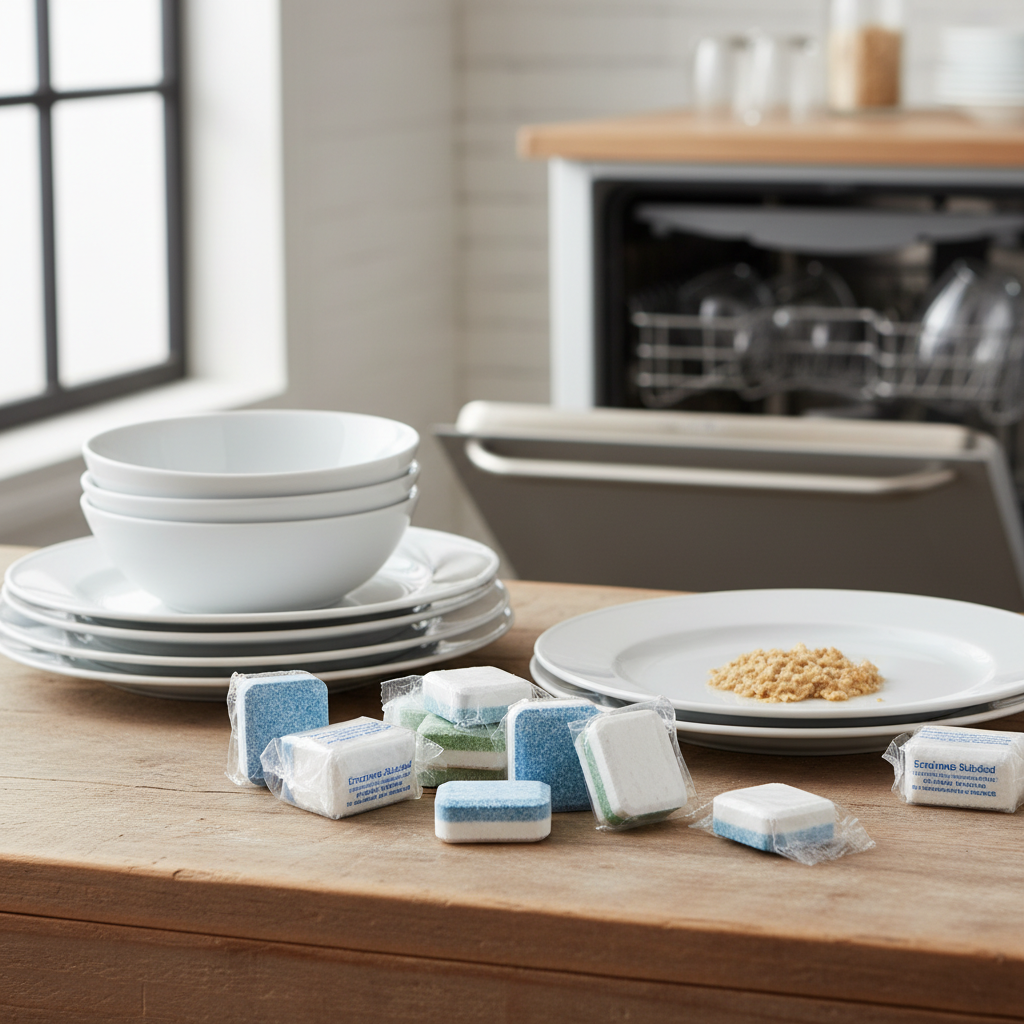
Dishwasher tablets are pre-portioned detergents designed for convenience, combining various cleaning agents into one compact unit. Enzyme-based tablets specifically integrate specialized biological catalysts, known as enzymes, to break down complex food stains. Think of enzymes as nature’s tiny, targeted scissors, each designed to cut through a particular type of mess.
For starch removal, the superstar enzyme is amylase. Amylase specifically targets and breaks down starch molecules found in common foods like rice, pasta, potatoes, and baked goods into smaller, water-soluble pieces that can be easily rinsed away. Beyond starch, many enzyme-based tablets also contain protease (to tackle proteins like eggs, dairy, and meat) and lipase (to dissolve fats and oils). This multi-enzyme approach ensures a thorough clean across a spectrum of food residues. Unlike harsher chemical cleaners, enzymes work by deconstructing stains at a molecular level rather than just displacing them, making them incredibly efficient. They operate at milder temperatures and are not consumed in the reaction, meaning a small amount can work repeatedly to break down a significant amount of grime.
Why Choose Enzyme-Based Tablets for Starch?
The benefits of opting for enzyme-based dishwasher tablets, particularly for starch removal, are manifold:
- Superior Stain Removal: Enzyme combinations are exceptionally good at breaking down tough, baked-on food residues, including hardened starches, cooked proteins, and grease films, that often resist conventional detergents. This means your dishes, cutlery, and glassware come out sparkling clean.
- Reduced Pre-Rinsing: Enzymes are designed to “digest” food particles. Excessive pre-rinsing actually deprives the enzymes of their target, making them less effective. With enzyme-based tablets, a simple scrape of food scraps is often all that’s needed, saving you time and water.
- Efficiency in Modern Dishwashers: These tablets are formulated to work effectively even in shorter, low-temperature wash cycles, which are common in modern, energy-efficient dishwashers. This translates to energy savings without compromising cleanliness.
- Environmental Advantages: Many enzyme-based detergents are more environmentally friendly than traditional phosphate-based options. Enzymes are biodegradable and break down quickly, reducing chemical load and wastewater pollution. This aligns with a growing desire for sustainable cleaning practices.
- Dishwasher Protection: By efficiently breaking down food residues, enzyme tablets help prevent the buildup of grime and scale within your dishwasher, contributing to its longevity and optimal performance.
Types of Dishwasher Tablets and Enzyme Formulations
Dishwasher detergents come in various forms, each with its own characteristics:
- Tablets (Hard-Pressed): These are solid, pre-measured blocks. They often combine multiple cleaning agents in layers. Many eco-friendly brands offer unwrapped tablets to minimize plastic.
- Pods (Water-Soluble Film): Popular for convenience, pods typically encase liquid, gel, or powder in a dissolving film, usually made of Polyvinyl Alcohol (PVA). While claimed to be biodegradable, there’s ongoing debate about whether PVA fully degrades in typical wastewater treatment facilities.
- Powders: The most traditional form, powders allow for adjustable dosing, which can be useful for varying load sizes or soil levels. They generally avoid PVA.
- Gels/Liquids: Less common for concentrated formulas, gels offer easy dispensing but may not always contain the robust enzyme blends found in tablets or pods.
For optimal starch removal, look for formulations that explicitly list amylase as a key ingredient, often alongside protease and lipase for comprehensive cleaning. Many modern tablets utilize multi-enzyme blends to tackle the complex nature of everyday food messes.
Leading Enzyme-Based Dishwasher Tablets for Starch
When selecting an enzyme-based dishwasher tablet, you’ll encounter numerous brands, each with its own strengths. Here’s a look at some leading options known for their performance against starch and other tough food residues:
- Dirty Labs Dishwasher Detergent + Booster: This brand receives high praise for its powerful bioenzymes and natural, non-toxic ingredients. It’s particularly noted for achieving sparkling, streak-free results even on stuck-on food. Dirty Labs comes in a powder format with sustainable, recycled cardboard packaging, avoiding PVA films.
- Blueland Dishwasher Detergent Tablets: These unwrapped tablets are tough on stains and certified by EPA Safer Choice, EWG, and Cradle to Cradle, indicating their plant- and mineral-based, baby-bottle-safe ingredients. Users often report shiny, streak-free dishes with no lingering scent. They contain both amylase and subtilisin (a protease).
- Puracy Dishwasher Pods: Developed by a chemist, Puracy pods are plant and mineral-derived, known for their powerful grease-cutting and spot-free cleaning. They feature minimal, clean ingredients including protease and amylase. However, their pods do utilize PVA film.
- Seventh Generation Dishwasher Tablets: An established name in eco-friendly cleaning, Seventh Generation offers an enzyme-packed formula that effectively cuts through grease and cleans well. They are often highlighted for their clean ingredients and plastic-free options, offering a good balance of performance and environmental consideration.
- Cascade Platinum Plus: While a more conventional option, Cascade Platinum Plus is widely recognized for its robust cleaning power. It features an advanced formula with a higher concentration of enzymes, grease cutters, and grime fighters specifically designed to tackle tough soils like cheese, fats, and baked-on residues without pre-rinsing.
Detailed Comparison Table
| Brand | Format | Key Enzymes | Starch Performance | Eco-Friendly Features | Price Range (per load) | Notes |
|---|---|---|---|---|---|---|
| Dirty Labs | Powder | Protease, Amylase | Excellent | Recycled cardboard packaging, non-toxic ingredients. | ~$0.41 | Highly effective on stuck-on food, leaves dishes sparkling and streak-free. Powder format avoids PVA. |
| Blueland | Tablet | Amylase, Subtilisin | Very Good | Plastic-free, EPA Safer Choice, EWG Verified, Cradle to Cradle certified. | ~$0.39 | Unwrapped tablets, no weird scent, widely available. Some users report grainy residue depending on dishwasher/water. |
| Puracy | Pod | Protease, Amylase | Very Good | Plant & mineral-derived. | ~$0.41 | Powerful grease-cutting and spot-free results. Uses PVA film. |
| Seventh Generation | Tablet | Enzymes (general) | Good | Plant & mineral-based, fragrance-free, dye-free, chlorine-free, plastic-free options. | Competitive | Known for eco-friendliness and solid cleaning performance. Often a price leader for cleaner options. |
| Cascade Platinum Plus | Pod | Multiple Enzymes | Excellent | Focus on performance, but less emphasis on “non-toxic” ingredients compared to others. | Higher | Considered a benchmark for cleaning, especially for tough, baked-on messes. Delivers more enzymes for comprehensive soil removal. |
| Ecover | Tablet | Amylase, Subtilisin | Mixed | Plant-based & mineral ingredients, phosphate-free. | Varies | Praised by some for hard water and eco-friendliness, but some user reviews indicate poor cleaning performance, leftover residue, and a noticeable scent. Contains hydrogenated rapeseed oil. |
| Beyond Auto Dish Tabs | Tablet | Amylase, Subtilisin | Good | Plant-derived & mineral-based, built-in rinse-aid, fragrance-free. | ~$0.32 | Works well in short cycles, no residue. Contains PVA and an ethoxylated ingredient. |
Choosing the Right Enzyme-Based Tablet for Your Needs
With so many options, how do you pick the best one? Consider these factors:
- Your Dishwashing Habits: Do you let dishes sit for a while, allowing starch to dry and harden? Enzyme-rich formulas are ideal. How often do you run your dishwasher?
- Water Hardness: If you have hard water, look for tablets that also contain “builders” like sodium citrate to help soften the water and prevent mineral deposits, improving enzyme effectiveness and preventing film on dishes. Brands like Blueland and Ecover are sometimes recommended for hard water, although Ecover’s general performance can be mixed.
- Eco-Friendliness & Health Concerns: If minimizing chemicals, plastic waste, and potential irritants is a priority, focus on brands that are phosphate-free, fragrance-free, dye-free, and ideally plastic-free (opting for powder or unwrapped tablets over pods with PVA film). Check for certifications like EPA Safer Choice or EWG Verified.
- Budget: Enzyme-based tablets can vary in price. Consider the cost per load and weigh it against performance and ingredient quality. Sometimes, paying a little more for a highly effective product saves money in the long run by avoiding re-washing.
- Dishwasher Type: While most tablets are universal, ensure compatibility if your dishwasher has specific requirements or a very short cycle.
Always read ingredient lists carefully. Look for amylase for starch removal. Be mindful of ingredients like ethoxylated surfactants or certain preservatives if you have sensitivities.
Where to Buy Enzyme-Based Dishwasher Tablets
Enzyme-based dishwasher tablets are widely available, making them easy to purchase:
- Supermarkets and Grocery Stores: Many popular brands like Cascade and Seventh Generation can be found on grocery store shelves.
- Mass Retailers: Stores like Target, Walmart, and Costco often carry a broader selection, including some eco-friendly options.
- Online Marketplaces: Websites like Amazon, Thrive Market, and directly from brand websites (e.g., Dirty Labs, Blueland) offer the largest variety, often with subscription options for convenience and potential savings.
- Specialty Eco-Stores: Health food stores and dedicated eco-friendly retailers might stock niche or local brands focused on natural ingredients.
Tips for Maximizing Enzyme Tablet Effectiveness
Even the best enzyme-based tablet needs a little help to perform its magic:
- Load Your Dishwasher Correctly: Ensure dishes aren’t blocking spray arms or preventing water and detergent from reaching all surfaces. Avoid overcrowding.
- Don’t Over-Rinse: A quick scrape to remove large food chunks is sufficient. Enzymes need food particles to work on. If dishes are too clean, the enzymes won’t have anything to bind to, leading to less efficient cleaning.
- Proper Placement: Place the tablet in the detergent dispenser. Most modern dishwashers are designed to release the tablet at the optimal point in the cycle.
- Clean Your Dishwasher Regularly: Limescale, grease, and food debris can build up in your dishwasher, hindering its performance and the effectiveness of your detergent. Run an empty hot cycle with a dishwasher cleaner or white vinegar monthly.
- Store Tablets Properly: Keep tablets in a cool, dry place to prevent them from prematurely dissolving or clumping.
- Use Rinse Aid: For an extra boost against spots and film, especially in hard water areas, a good rinse aid can make a significant difference.
Common Issues and Solutions When Using Enzyme-Based Dishwasher Tablets
Even with the best tablets, sometimes issues arise. Here’s how to troubleshoot:
- Tablet Not Dissolving Completely:
- Solution: Ensure the dispenser isn’t blocked by dishes. Make sure the water temperature is adequate (enzymes work best in warm, not scalding, water during their initial phase). Avoid letting the tablet get damp before use.
- Dishes Not Clean After Wash (Starch Residue Remains):
- Solution: Check if you’re pre-rinsing too much (enzymes need soil). Verify your dishwasher is loaded correctly. Your water might be too hard – consider a detergent with strong builders or add a separate water softener. The detergent chosen might not be strong enough for your soil level.
- Dishwasher Has an Unpleasant Odor:
- Solution: This usually indicates food residue buildup. Clean your dishwasher thoroughly, including the filter. Run an empty cycle with a dishwasher cleaner.
- Film or Spots on Dishes:
- Solution: This is often a sign of hard water. Use a rinse aid. Ensure your chosen tablet has effective water-softening builders.
“Modern enzyme technology has revolutionized dishwashing, allowing us to achieve impeccable cleanliness with less environmental impact and greater efficiency. The targeted action of enzymes means less scrubbing for you and a longer life for your appliances.”
Conclusion
Choosing the best enzyme-based dishwasher tablets for starch removal means embracing smarter, more efficient cleaning. These innovative products harness the power of nature’s catalysts to break down stubborn food residues, delivering sparkling results while often being gentler on the environment. By understanding how enzymes work and considering factors like water hardness, eco-friendliness, and specific brand formulations, you can confidently select a tablet that meets your household’s needs.
Ready to transform your dishwashing routine and say goodbye to starchy plates? Experiment with some of the highly-rated enzyme-based options available and discover the difference for yourself. What’s the toughest starch stain you’ve ever battled, and what’s your secret weapon against it?
Frequently Asked Questions
What is the primary enzyme for breaking down starch in dishwasher tablets?
The primary enzyme responsible for breaking down starch in dishwasher tablets is amylase. This biological catalyst targets and converts complex starch molecules into simpler sugars, which are then easily washed away, preventing sticky residues from remaining on your dishes.
Do enzyme-based dishwasher tablets eliminate the need for pre-rinsing?
For enzyme-based dishwasher tablets, excessive pre-rinsing is generally not recommended. Enzymes need food particles, including starch and protein, to work effectively. A quick scrape of large food scraps is usually sufficient, allowing the enzymes to bind to and break down the remaining soil.
Are enzyme-based dishwasher tablets safe for all types of dishes and dishwashers?
Yes, enzyme-based dishwasher tablets are typically safe for most dishes and dishwashers. They are designed to be gentle on surfaces while effectively cleaning. However, it’s always wise to check the manufacturer’s recommendations for specific dishware (e.g., delicate items) and your dishwasher model.
Can enzyme-based tablets work effectively in hard water conditions?
Enzyme-based tablets can work in hard water, but their effectiveness might be boosted by formulations that include “builders” (like sodium citrate) to soften the water. If you live in a hard water area, look for products that explicitly mention hard water performance or consider using a separate rinse aid and dishwasher salt.
How do enzyme-based tablets contribute to environmental sustainability?
Enzyme-based tablets are generally more sustainable because enzymes are biodegradable, functioning at lower temperatures and reducing the need for harsh chemicals like phosphates. This leads to less energy consumption, less chemical discharge into waterways, and often comes with more eco-friendly packaging.
Why do some enzyme dishwasher pods use PVA film, and is it truly eco-friendly?
PVA (Polyvinyl Alcohol) film is used in many dishwasher pods as a water-soluble wrapper for convenience. While manufacturers often claim it’s biodegradable, there’s ongoing debate in the scientific community about whether PVA fully degrades in typical wastewater treatment plants. For strict eco-conscious consumers, unwrapped tablets or powders are often preferred to avoid this issue.