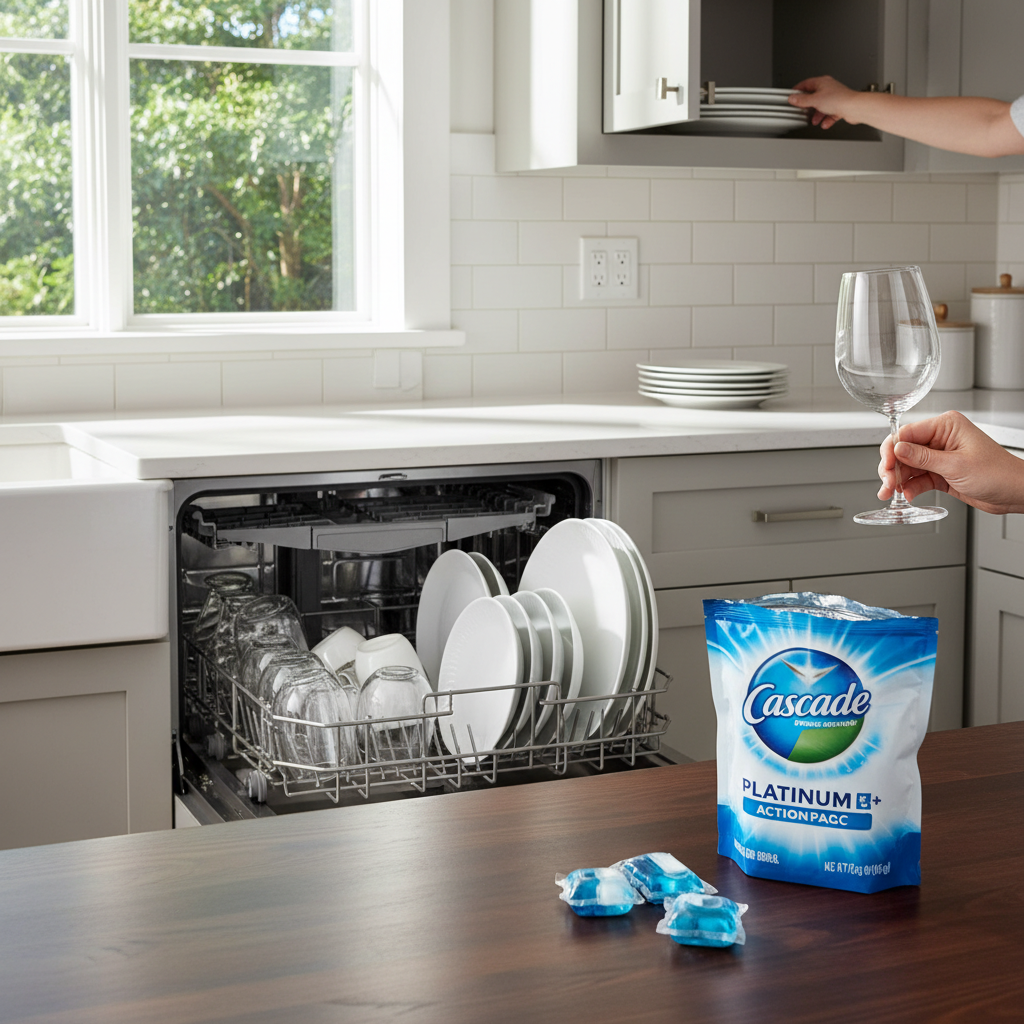
You’ve invested in an all-in-one dishwasher tablet, promising sparkling clean, streak-free dishes straight out of the machine. Yet, a nagging question persists: do you still need to fill that dedicated rinse aid dispenser? It’s a common confusion, as these convenient tablets are marketed to handle everything. The truth, however, is nuanced, and for truly pristine results, understanding the role of rinse aid and the limitations of all-in-one formulas is key. This article will unravel the mystery, guiding you to make the best choice for your kitchen and ensuring your dishes emerge flawlessly clean and dry every time.
Understanding All-in-One Dishwasher Tablets
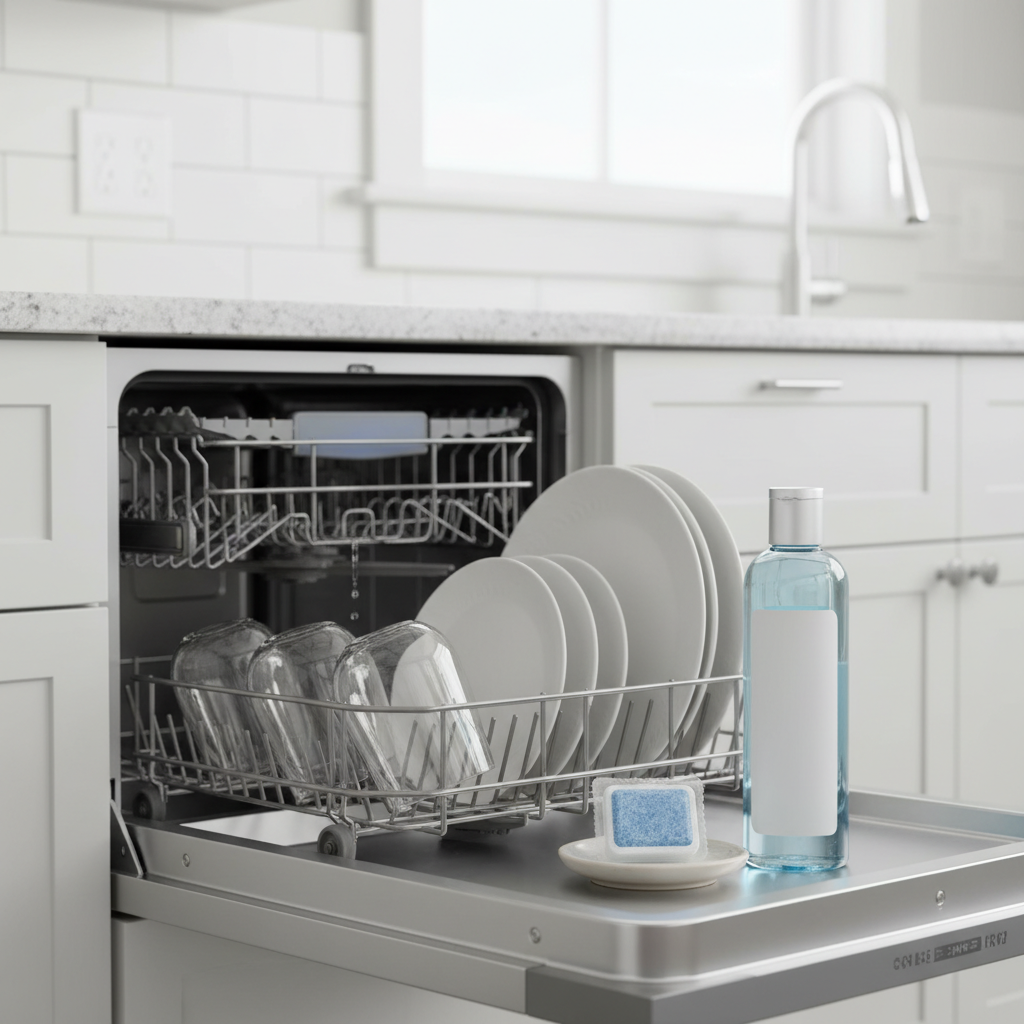
All-in-one dishwasher tablets represent a significant leap in dishwashing convenience. These compact powerhouses are engineered to combine multiple cleaning agents into a single, easy-to-use dose. Typically, they include not only a potent detergent to break down food residues but also built-in rinse aid, and often other additives like water softener (salt) to tackle hard water minerals. The theoretical promise is straightforward: one tablet, one perfect wash, eliminating the need for separate products.
While this integrated approach simplifies the dishwashing routine, it also introduces a fundamental limitation. Dishwashers operate through distinct cycles, and the optimal time for dispensing detergent is at the beginning of the wash, whereas rinse aid is most effective during the final rinse. When both are combined in a tablet, the rinse aid is released alongside the detergent. This means that by the time the crucial final rinse cycle arrives, the amount of rinse aid available might be significantly diminished, potentially impacting its overall effectiveness in preventing spots and aiding drying.
The Indispensable Role of Rinse Aid
Rinse aid is a unsung hero in the quest for gleaming dishes. Far more than just a drying agent, it is a surfactant – a substance that reduces the surface tension of water. Imagine water clinging to your dishes in tiny droplets; without rinse aid, these droplets dry in place, leaving behind mineral deposits as unsightly water spots or streaks, particularly noticeable on glassware and polished cutlery.
When rinse aid is introduced during the final rinse cycle, it causes water to sheet off the surfaces of your dishes rather than forming individual droplets. This accelerates the drying process dramatically, minimizing the time dishes spend in contact with water and drastically reducing the chances of water spots and streaks. The result is not only faster drying but also a brilliant, streak-free shine that detergents alone cannot achieve. For those seeking truly professional-level cleanliness and sparkle, the benefits of dedicated rinse aid are undeniable.
When All-in-One Tablets Might Fall Short
Despite their advanced formulations, all-in-one dishwasher tablets have situations where their integrated rinse aid may not be sufficient for optimal results. Recognizing these common scenarios can help you decide if supplementing with a separate rinse aid is necessary for your household. The primary factors influencing performance are water hardness, the age and design of your dishwasher, and the precise timing of rinse aid release.
Hard Water Regions
|
Our Picks for the Best Dishwasher tablets in 2026
As an Amazon Associate I earn from qualifying purchases.
|
||
| Num | Product | Action |
|---|---|---|
| 1 | Cascade Complete Dishwasher Detergent Pods Fresh Scent Value Pack, Powerful Dishwasher Pods for Sparkling Clean Dishes, Grease-Fighting Dishwashing Detergent Tablets, 100 Count |

|
| 2 | Finish Quantum Dishwasher Pods, No Pre-Rinse Dishwasher Detergent Soap Removes 24HR Dried-On Stain and Grease, Leaving a Virtually Spotless Shine, 100 Count |
|
| 3 | Cascade Platinum Plus Dishwasher Pods, Dish Detergent Soap, Clean Scent, 62 Count |
|
| 4 | BLUELAND 100% Plastic-Free Dishwasher Detergent Tablets, 60 Count, Free & Clear, Eco-Friendly Dishwashing Pods, Natural, USDA Certified biobased |
|
| 5 | Finish Quantum Dishwasher Pods, No Pre-Rinse Dishwasher Detergent Soap Removes 24HR Dried-On Stain and Grease, Leaving a Virtually Spotless Shine, 82 Count |
|
| 6 | BLUELAND 100% Plastic-Free Dishwasher Detergent Tablets, Starter Set, 60 Count with tin, Free & Clear, Eco-Friendly Dishwashing Pods, Natural, USDA Certified biobased |
|
| 7 | Finish Classic Dishwasher Pods, No Pre-Rinse Dishwasher Detergent Soap For Clean & Shine everyday with grease fighting Power, 84 count |
|
| 8 | BLUELAND 100% Plastic-Free Dishwasher Detergent Tablets, 120 Count, Free & Clear, Eco-Friendly Dishwashing Pods, Natural, USDA Certified biobased |
|
| 9 | Finish - All in 1 - Dishwasher Detergent - Powerball - Dishwashing Tablets - Dish Tabs - Fresh Scent, 94 Count (Pack of 1) - Packaging May Vary |
|
| 10 | Cascade Complete Dishwasher Pods - Fresh Scent ActionPacs, Dishwasher Detergent, Dishwasher Soap, Detergent Pods, 78 Count |
|
Water hardness is arguably the most significant factor affecting dishwasher performance. Hard water contains high levels of dissolved minerals like calcium and magnesium, which are notorious for leaving behind chalky residue and stubborn water spots on dishes and glassware. While many all-in-one tablets do include some water softening agents and rinse aid, the concentration might not be robust enough to counteract very hard water effectively. In such areas, the built-in rinse aid can struggle to prevent these mineral deposits, leading to unsatisfactory results despite using a premium tablet. A dedicated rinse aid provides that extra power needed to break the surface tension of hard water, ensuring a clearer finish.
Older Dishwasher Models
Modern dishwashers are engineered with sophisticated dispensing systems designed to optimize the release of cleaning agents. However, older dishwasher models may not be as efficient in distributing the rinse aid component from an all-in-one tablet. Their internal mechanisms might not allow for the gradual, timed release of rinse aid throughout the cycle, or their spray arms might not effectively spread the concentrated rinse aid from the tablet across all dish surfaces. This can lead to uneven drying and spotting, especially on items in less direct contact with the wash jets. For these machines, a separate rinse aid dispenser, filled with liquid rinse aid, ensures consistent and targeted application during the final rinse.
Dispensing Timing
The fundamental design of a dishwasher dictates that detergent is dispensed at the start of the wash cycle for maximum cleaning power, while rinse aid is needed much later, during the very last rinse. An all-in-one tablet, by its nature, releases all its components simultaneously. This means the rinse aid contained within the tablet is introduced much earlier in the cycle than optimal for its primary function. By the time the final rinse occurs, the active rinse aid agents from the tablet may have been largely washed away or diluted, leaving an insufficient amount to effectively promote sheeting and fast drying. A separate rinse aid, stored in its own dispenser, is released precisely when it’s most effective – at the end of the wash, for that perfect, spot-free finish.
Signs You Might Need Separate Rinse Aid
Even with the convenience of all-in-one tablets, your dishes might be sending clear signals that they need an extra boost from a dedicated rinse aid. Paying attention to these subtle clues can drastically improve your dishwashing results.
The most common indicator is the presence of visible water spots or streaks on your glassware, cutlery, and ceramic dishes. These aren’t necessarily food remnants but rather dried mineral deposits left behind by water droplets that haven’t properly sheeted off. If your clear glasses look cloudy or have an iridescent film, this is a classic sign of insufficient rinse aid. Another tell-tale symptom is dishes not drying properly, particularly plastic items which notoriously hold onto water. If you find yourself frequently hand-drying items after a cycle, your all-in-one tablet might not be providing enough drying power. Finally, an overall dullness or lack of sparkle on your clean dishes suggests that water is lingering too long, preventing them from achieving that pristine shine you expect. Observing these issues means it’s time to consider adding a separate rinse aid.
How to Effectively Use Separate Rinse Aid
Integrating a separate rinse aid into your dishwashing routine is simple and can dramatically elevate your results. The process involves correctly filling the dispenser, understanding how to adjust settings, and choosing the right product for your needs.
First, locate the rinse aid dispenser in your dishwasher. It’s typically a small compartment found next to the detergent dispenser on the inside of the dishwasher door, usually marked with a star or diamond symbol. To fill it, open the latch and carefully pour the liquid rinse aid until it reaches the maximum fill line. Be sure not to overfill and wipe away any spills to prevent excessive foaming during the wash.
Most modern dishwashers also allow you to adjust the rinse aid dosage settings. If you notice rainbow-colored streaks on your dishes, it’s a sign that too much rinse aid is being dispensed, and you should reduce the setting (consult your dishwasher’s user manual for specific instructions). Conversely, if you still see water spots after adding rinse aid, you might need to increase the dosage. This fine-tuning ensures you get perfectly clear dishes without residue. When choosing a rinse aid, standard options work well, but for those with sensitivities, fragrance-free or 0% chemical rinse aids are available.
“Many believe all-in-one tablets completely replace rinse aid, but in areas with hard water or with older machines, a separate rinse aid is often the key to truly sparkling, spot-free results.” – Dr. Eleanor Vance, Appliance Chemistry Specialist
Dispelling Common Myths and Mistakes
The world of dishwashing is rife with myths, particularly concerning all-in-one tablets and rinse aid. Clearing up these misconceptions can save you frustration and ensure optimal performance from your appliance.
A prevalent myth is that “all-in-one means no rinse aid ever.” While convenient, as discussed, this isn’t always true for hard water or older machines. Relying solely on the tablet can lead to spots and streaks. Another common mistake is attempting to compensate for poor drying or spotting by adding more all-in-one detergent or even a second tablet. This is detrimental; excess detergent can damage delicate items, leave residue, and even etch glassware, creating permanent cloudiness. Dishwashers are calibrated for a specific amount of detergent, and exceeding it does more harm than good. Furthermore, using homemade substitutes like vinegar as a rinse aid is often advised against by manufacturers. While vinegar has acidic properties, it can degrade rubber seals and plastic components in your dishwasher over time, potentially voiding your warranty and leading to costly repairs. Stick to commercially formulated rinse aids designed for appliances to ensure both effectiveness and machine longevity.
Conclusion
The question of whether you need rinse aid with all-in-one dishwasher tablets doesn’t have a simple yes or no answer. While these multi-functional tablets are incredibly convenient and often sufficient for many households, their integrated rinse aid can fall short in specific circumstances. Crucially, factors like water hardness and the age of your dishwasher play a significant role in determining whether supplemental rinse aid is beneficial.
Ultimately, dedicated rinse aid offers superior drying performance, actively preventing water spots and streaks by ensuring water sheets off dishes effectively during the crucial final rinse cycle. If you’ve been noticing less-than-perfect results – be it spots, streaks, or wet dishes – even with all-in-one tablets, a separate rinse aid is very likely the solution to unlocking that desired sparkling finish. Don’t be afraid to experiment and observe your dishes; a little extra attention can lead to dramatically better results.
Do your dishes truly shine their brightest, or is there still room for that extra sparkle?
Frequently Asked Questions
What is the difference between dishwasher detergent and rinse aid?
Dishwasher detergent is designed to clean dishes by breaking down food particles, grease, and stains during the main wash cycle. Rinse aid, on the other hand, is a surfactant used in the final rinse cycle to lower water’s surface tension, promoting faster drying and preventing water spots and streaks for a shiny finish.
Can too much rinse aid cause problems?
Yes, using too much rinse aid can lead to problems such as a rainbow sheen or blue streaks on your glassware and dishes. If you observe this, adjust your dishwasher’s rinse aid dispenser setting to a lower level, as indicated in your appliance’s user manual.
How often should I refill the rinse aid dispenser?
The frequency depends on your dishwasher usage and the dispenser’s capacity. Most dishwashers have an indicator light that illuminates when the rinse aid level is low, signaling that it’s time for a refill, typically every few weeks or months.
Is dishwasher salt the same as rinse aid?
No, dishwasher salt and rinse aid are different products with distinct functions. Dishwasher salt is used in areas with hard water to regenerate the dishwasher’s built-in water softener, preventing limescale buildup inside the machine. Rinse aid, conversely, focuses on improving dish drying and preventing spots.
Will not using rinse aid damage my dishwasher?
Not using rinse aid will not typically damage your dishwasher. However, it can lead to decreased drying performance and unsightly water spots and streaks on your dishes and glassware, diminishing the effectiveness of your wash cycles.