Few things are as frustrating as opening your dishwasher after a cycle, expecting sparkling clean dishes, only to find a half-dissolved tablet stubbornly clinging to the dispenser or, worse, a residue coating your supposedly clean plates. It’s a common problem that leaves many homeowners scratching their heads, wondering if their appliance is on the fritz or if they’re simply using the wrong detergent. The good news is that an undissolved dishwasher tablet rarely signals a catastrophic machine failure. More often than not, it points to easily fixable issues that, once addressed, will have your dishwasher performing at its peak again.
This guide will demystify why your dishwasher tablets aren’t dissolving as they should, walk you through common culprits, and provide practical solutions to ensure every wash cycle delivers perfectly clean, residue-free dishes.
Understanding Dishwasher Tablets and Their Function
Dishwasher tablets are a marvel of modern cleaning technology, designed for convenience and efficiency. Unlike traditional powders or gels, these compact units often contain a powerful blend of cleaning agents, rinse aid, and salt, all in one easy-to-use dose. The tablet typically rests in a dispenser compartment, which opens at a specific point in the wash cycle—usually 15-20 minutes in—to release the detergent into the hot, swirling water at the bottom of the tub. For optimal cleaning, the tablet needs to dissolve completely and distribute its active ingredients evenly across all dishes.
The effectiveness of these tablets hinges on several factors, including water temperature, water circulation, and the absence of obstructions. When one of these elements is compromised, the tablet’s intricate chemical breakdown process is disrupted, leading to incomplete dissolution and unsatisfactory cleaning results.
Common Reasons Your Dishwasher Tablet Isn’t Dissolving
Numerous factors can contribute to your dishwasher tablet not dissolving fully. Identifying the root cause is the first step towards a solution.
Low Water Temperature
|
Our Picks for the Best Dishwasher tablets in 2026
As an Amazon Associate I earn from qualifying purchases.
|
||
| Num | Product | Action |
|---|---|---|
| 1 | Finish Classic Dishwasher Pods, No Pre-Rinse Dishwasher Detergent Soap For Clean & Shine everyday with grease fighting Power, 84 count |

|
| 2 | Finish Quantum Dishwasher Pods, No Pre-Rinse Dishwasher Detergent Soap Removes 24HR Dried-On Stain and Grease, Leaving a Virtually Spotless Shine, 82 Count |
|
| 3 | BLUELAND 100% Plastic-Free Dishwasher Detergent Tablets, Starter Set, 60 Count with tin, Free & Clear, Eco-Friendly Dishwashing Pods, Natural, USDA Certified biobased |
|
| 4 | Finish Quantum Dishwasher Pods, No Pre-Rinse Dishwasher Detergent Soap Removes 24HR Dried-On Stain and Grease, Leaving a Virtually Spotless Shine, 100 Count |
|
| 5 | Cascade Complete Dishwasher Pods - Fresh Scent ActionPacs, Dishwasher Detergent, Dishwasher Soap, Detergent Pods, 78 Count |
|
| 6 | BLUELAND 100% Plastic-Free Dishwasher Detergent Tablets, 60 Count, Free & Clear, Eco-Friendly Dishwashing Pods, Natural, USDA Certified biobased |
|
| 7 | Cascade Platinum Plus Dishwasher Pods, Dish Detergent Soap, Clean Scent, 62 Count |
|
| 8 | Cascade Complete Dishwasher Detergent Pods Fresh Scent Value Pack, Powerful Dishwasher Pods for Sparkling Clean Dishes, Grease-Fighting Dishwashing Detergent Tablets, 100 Count |
|
| 9 | BLUELAND 100% Plastic-Free Dishwasher Detergent Tablets, 120 Count, Free & Clear, Eco-Friendly Dishwashing Pods, Natural, USDA Certified biobased |
|
| 10 | Finish - All in 1 - Dishwasher Detergent - Powerball - Dishwashing Tablets - Dish Tabs - Fresh Scent, 94 Count (Pack of 1) - Packaging May Vary |
|
This is, by far, the most frequent reason for undissolved dishwasher tablets. Modern tablets are precisely formulated to dissolve in water ranging from 120-140°F (50-60°C). If your dishwasher’s water isn’t reaching this ideal temperature range, the tablet’s chemical components won’t activate and break down properly, leaving it intact or partially dissolved. Many households unknowingly set their hot water heater too low for energy-saving reasons, which can inadvertently impact dishwasher performance.
Solution: Check your hot water heater’s thermostat and set it to at least 120°F (around 50°C), ideally 140°F (60°C). Before starting a dishwasher cycle, run your kitchen hot tap for a minute or two until the water is steaming. This pre-heats the water in the pipes, ensuring the dishwasher fills with hot water from the very beginning of the cycle, rather than gradually heating cold water.
Blocked Detergent Dispenser
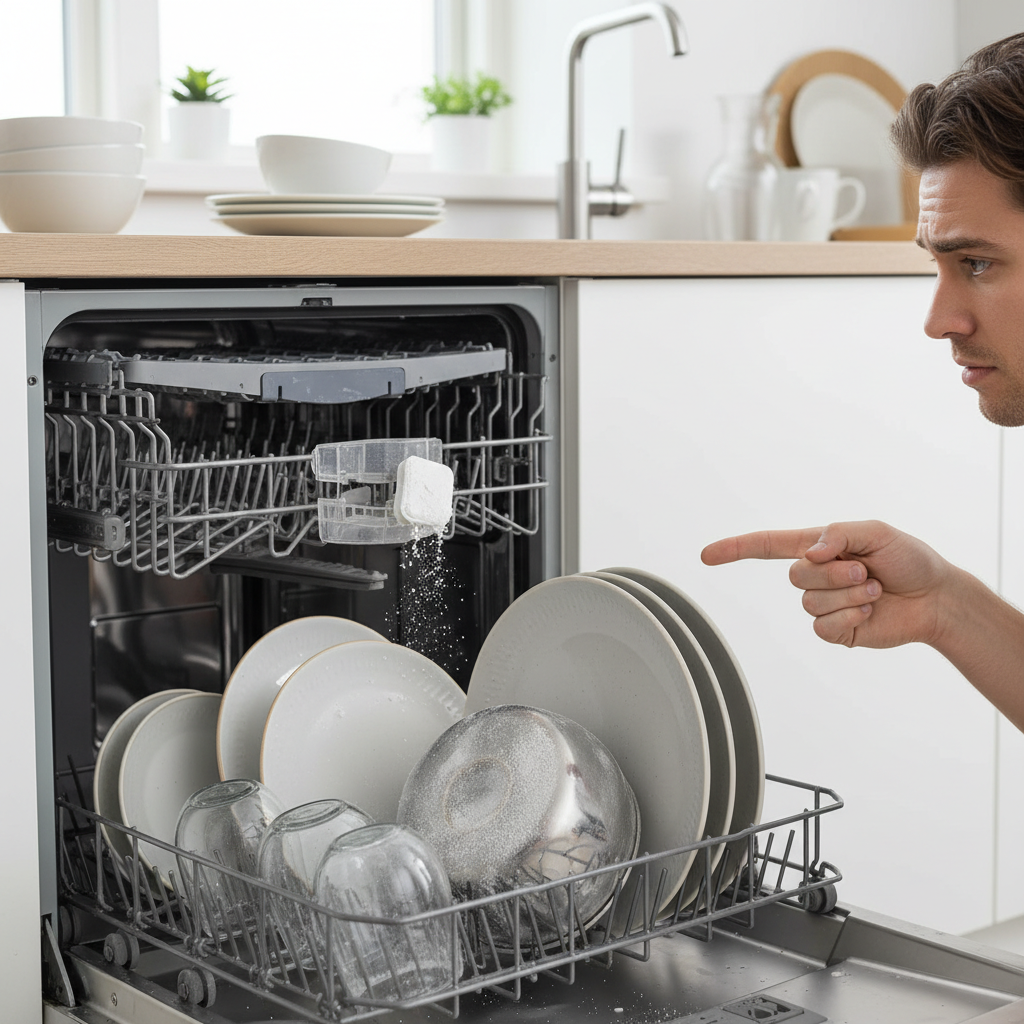
If the tablet remains in its compartment, it’s a strong indicator that the dispenser door itself is obstructed or malfunctioning. This can happen due to a few reasons:
- Physical Obstruction: Dishes, particularly tall items or cutting boards, placed in front of the dispenser door can prevent it from opening fully.
- Detergent Residue Buildup: Over time, leftover detergent or mineral deposits can accumulate around the dispenser hinges or latch, causing it to stick.
- Faulty Mechanism: A worn-out spring mechanism or a damaged latch can prevent the door from popping open as intended.
Solution: Always ensure that no dishes or utensils block the detergent dispenser when loading your dishwasher. Regularly inspect the dispenser for any visible debris or gunk and clean it thoroughly with warm soapy water and a small brush. If the spring feels weak or the latch appears broken, the dispenser unit may need professional repair or replacement.
Poor Water Circulation
Even if the tablet is released, it needs adequate water flow to dissolve and distribute effectively. Issues with water circulation can prevent this:
- Clogged Spray Arms: The small holes in your dishwasher’s spray arms can become clogged with food particles, limescale, or detergent residue, reducing water pressure and distribution.
- Circulation Pump Failure: The circulation pump is responsible for moving water throughout the dishwasher. If it’s failing, water won’t reach the tablet or dishes properly.
Solution: Periodically remove and clean your dishwasher’s spray arms (both upper and lower). Use a cocktail stick or thin wire to clear any blockages from the spray holes, then rinse them under running water. Ensure they can rotate freely before reattaching. Also, regularly clean your dishwasher’s filter, usually located at the bottom of the tub, to prevent debris from circulating and clogging components. If you suspect a circulation pump issue (e.g., very weak water jets despite clean spray arms), it’s best to consult a professional technician.
Overloading or Improper Loading
We’ve all been tempted to squeeze in one last plate, but an overloaded dishwasher is a common culprit for cleaning issues. Overcrowding can prevent the dispenser door from opening properly and obstruct the spray arms, leading to:
- Blocked Dispenser: Dishes can physically block the dispenser door, trapping the tablet.
- Restricted Water Flow: Too many items or improperly placed items can create “dead zones” where water cannot reach the tablet or effectively clean dishes.
Solution: Resist the urge to overstuff your dishwasher. Ensure there’s ample space between items for water and detergent to circulate freely. Place larger items and pots in the lower rack, facing the center, and ensure taller items don’t impede the spray arm’s rotation or the dispenser door’s opening. Leave the area around the detergent dispenser clear.
Hard Water Interference
If you live in an area with hard water (high mineral content), it can significantly impact how effectively dishwasher tablets dissolve and clean. Hard water minerals, like calcium and magnesium, can interact with detergent, reducing its efficacy and leading to residue buildup on dishes and inside the dishwasher. This buildup can also contribute to clogged spray arms and filters.
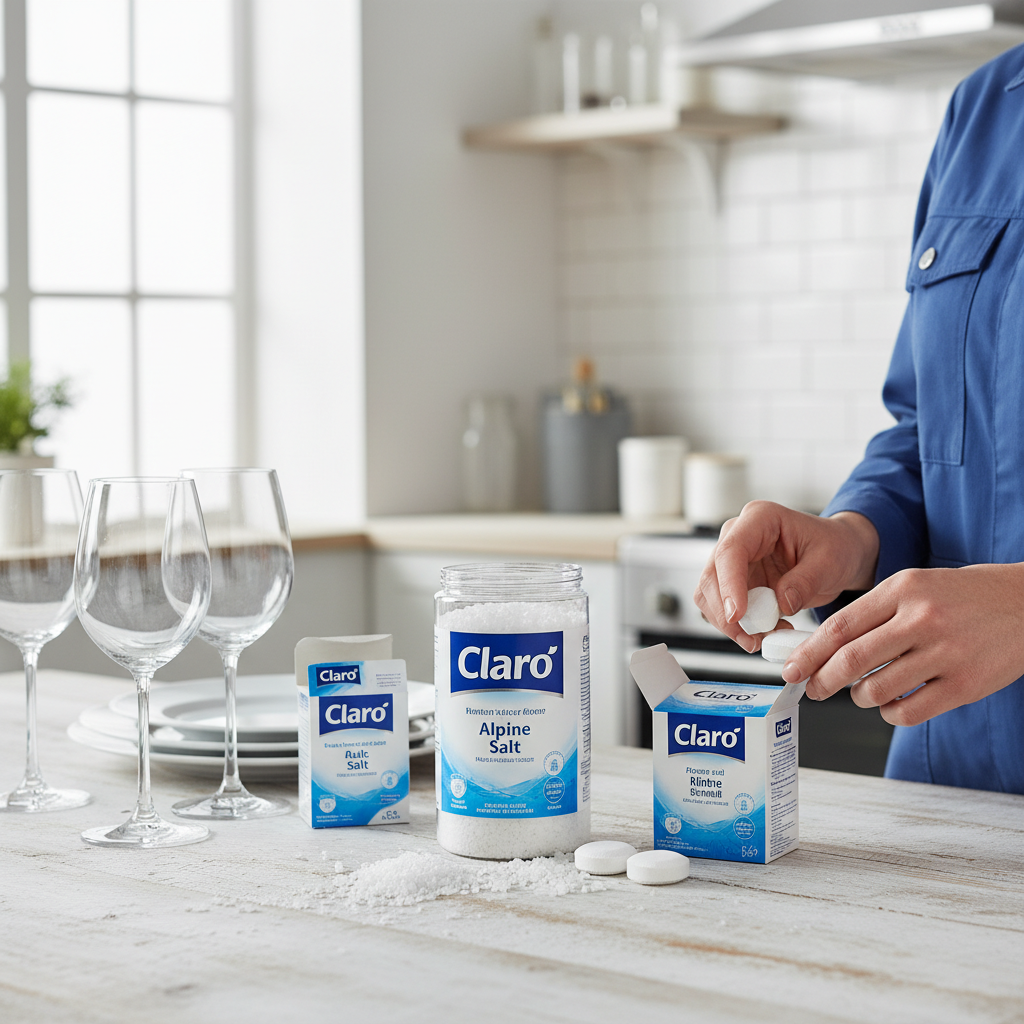
Solution: If you have hard water, ensure your dishwasher’s built-in water softener (if equipped) is regularly topped up with dishwasher salt. Use a rinse aid to help prevent water spots and improve drying. Consider switching to premium dishwasher tablets specifically formulated for hard water areas, as these often contain additional water-softening agents. A monthly deep clean with a specialized dishwasher cleaner or a vinegar rinse can also help combat mineral buildup.
Incorrect Cycle Selection or Tablet Type
Not all dishwasher cycles are created equal, and some tablets are better suited for specific conditions.
- Short or Eco Cycles: These cycles typically use lower water temperatures and shorter wash times, which may not be sufficient for larger or denser tablets to dissolve completely.
- Tablet Quality/Size: Lower-quality tablets may contain inferior binders that don’t dissolve easily. Similarly, very large tablets might struggle to dissolve fully in shorter cycles or older machines.
Solution: For heavily soiled loads or if you consistently experience dissolution issues, opt for longer, hotter wash cycles. Experiment with different brands or types of dishwasher tablets. Some users find that powder or gel detergents work better if compressed tablets consistently cause problems. Always follow the tablet manufacturer’s instructions.
Tablet Handling
This is a minor but sometimes overlooked detail. If your hands are wet when you place the tablet into the dispenser, the outer coating of the tablet can become sticky. This stickiness can cause the tablet to adhere to the dispenser, preventing its proper release when the door opens.
Solution: Always handle dishwasher tablets with dry hands to prevent them from sticking inside the dispenser.
Consequences of Undissolved Tablets
An undissolved dishwasher tablet is more than just an annoyance. It leads to:
- Dirty Dishes: The primary function of the detergent is compromised, leaving dishes uncleaned, greasy, or stained.
- Residue on Dishes: Undissolved detergent can leave a chalky or sticky residue on your plates, glasses, and cutlery, making them look unappealing and potentially posing health concerns if chemical residues remain.
- Damage to Dishwasher: Undissolved fragments can accumulate in the spray arms, filters, and drainage system, leading to blockages, reduced water flow, and potential long-term damage requiring costly repairs.
Tips for Ensuring Complete Dissolution
To prevent future tablet troubles and ensure optimal dishwasher performance, incorporate these habits into your routine:
- Pre-heat Water: Run the kitchen hot tap for a minute before starting the dishwasher.
- Load Properly: Avoid overcrowding and ensure no items block the dispenser or spray arms.
- Regular Cleaning: Clean the spray arms and filter weekly or bi-weekly. Perform a monthly deep clean of the entire dishwasher.
- Check Water Hardness: If you have hard water, use dishwasher salt and rinse aid, and consider a hard-water specific detergent.
- Use Appropriate Cycles: Match your wash cycle to the tablet type and soil level.
- Dry Hands: Always handle tablets with dry hands.
When to Call a Professional
While most dissolution issues are DIY-fixable, some problems indicate a deeper mechanical fault. Consider calling a qualified repair technician if you’ve tried all troubleshooting steps and still encounter issues, especially if:
- The dishwasher isn’t filling with enough water (potential inlet valve malfunction).
- The water remains cold throughout the cycle (heating element failure).
- Water circulation is consistently poor despite clean spray arms (wash pump motor issues).
- The dispenser door never opens (electronic control module malfunction).
“A well-maintained dishwasher is a happy dishwasher. Regular cleaning and attention to small details like water temperature and loading can prevent most common issues, including undissolved tablets.” – [Your Name/Role (as Admin of reviewvob.com)], Dishwasher Appliance Expert
Conclusion
An undissolved dishwasher tablet is a clear signal that something in your dishwashing routine or appliance setup needs attention. From ensuring your water is hot enough and your dispenser is unobstructed to maintaining clean spray arms and loading your dishes correctly, most solutions are straightforward and can be implemented with minimal effort. By understanding the common causes and applying these practical troubleshooting tips, you can transform your dishwashing experience from frustrating to flawlessly clean. Take control of your dishwasher’s performance and enjoy the sparkling results you deserve.
Have you noticed a significant improvement after making a simple adjustment to your dishwasher routine?
Frequently Asked Questions
Why do some dishwasher tablets leave a white film on dishes even if they dissolve?
A white film, even with a dissolved tablet, usually indicates hard water issues. The minerals in hard water react with detergent, leaving deposits. Solutions include using dishwasher salt, rinse aid, or hard water-specific tablets, and regularly cleaning your dishwasher.
Can old or expired dishwasher tablets cause dissolution problems?
Yes, old or improperly stored dishwasher tablets can sometimes absorb moisture, harden, or degrade, making them less effective and more difficult to dissolve completely. Always store tablets in a cool, dry place and check their expiry date.
Is it okay to put the dishwasher tablet directly into the bottom of the dishwasher tub?
While some people do this, it’s generally not recommended. Dishwasher tablets are designed to be released at a specific point in the wash cycle by the dispenser. Placing it directly in the tub may cause it to dissolve too quickly during the pre-rinse, reducing its effectiveness for the main wash.
How often should I clean my dishwasher’s filter and spray arms?
For optimal performance and to prevent dissolution issues, it’s recommended to clean your dishwasher’s filter weekly and the spray arms monthly. If you have particularly hard water or heavily soiled dishes, more frequent cleaning may be beneficial.