Discovering unsightly rust spots on your otherwise sparkling cutlery after a dishwasher cycle can be incredibly frustrating. Many homeowners are constantly searching for simple solutions to this common problem, leading to the rise of various home hacks. One such viral trend involves using aluminum foil in the dishwasher, promising to banish rust and leave your silverware gleaming. But does this popular “foil hack” truly work for rust prevention, or is it merely another kitchen myth?
This comprehensive guide will delve into the science behind cutlery rust, examine the aluminum foil dishwasher hack’s effectiveness and potential drawbacks, and equip you with proven strategies to keep your utensils pristine and rust-free.
What is the Aluminum Foil Dishwasher Hack?
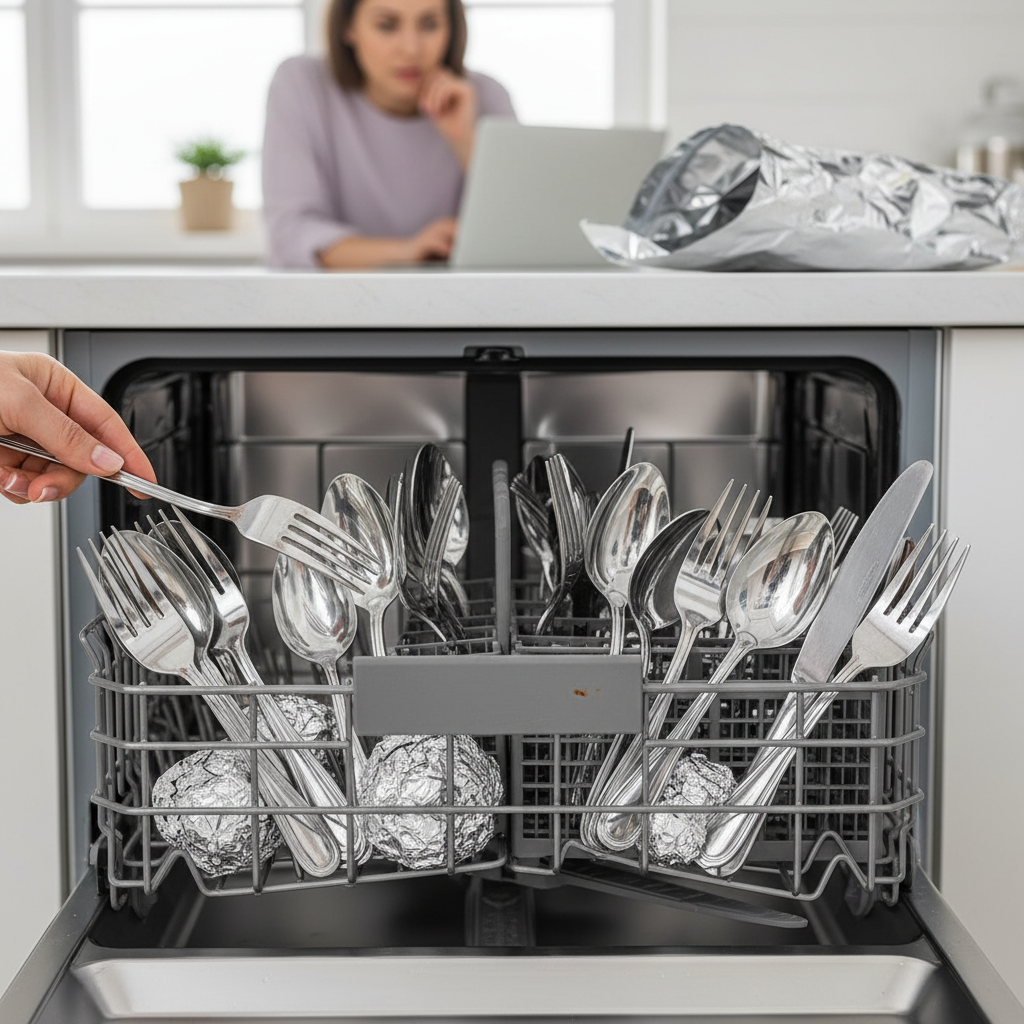
The aluminum foil dishwasher hack typically involves crumpling a sheet of clean aluminum foil into a small ball and placing it in your dishwasher’s utensil basket before running a regular wash cycle. The idea is that this simple addition will magically prevent rust and enhance the shine of your cutlery. Some variations suggest direct contact with silverware, while others imply its mere presence in the dishwasher is sufficient.
The Science Behind the Shine (and Rust Prevention Claims)
To understand if the foil hack works, it’s essential to grasp the underlying chemical principles.
Tarnish Removal: An Electrochemical Reaction
|
Our Picks for the Best Dishwasher tablets in 2026
As an Amazon Associate I earn from qualifying purchases.
|
||
| Num | Product | Action |
|---|---|---|
| 1 | BLUELAND 100% Plastic-Free Dishwasher Detergent Tablets, 120 Count, Free & Clear, Eco-Friendly Dishwashing Pods, Natural, USDA Certified biobased |

|
| 2 | Cascade Complete Dishwasher Pods - Fresh Scent ActionPacs, Dishwasher Detergent, Dishwasher Soap, Detergent Pods, 78 Count |
|
| 3 | Cascade Complete Dishwasher Detergent Pods Fresh Scent Value Pack, Powerful Dishwasher Pods for Sparkling Clean Dishes, Grease-Fighting Dishwashing Detergent Tablets, 100 Count |
|
| 4 | Finish - All in 1 - Dishwasher Detergent - Powerball - Dishwashing Tablets - Dish Tabs - Fresh Scent, 94 Count (Pack of 1) - Packaging May Vary |
|
| 5 | Finish Quantum Dishwasher Pods, No Pre-Rinse Dishwasher Detergent Soap Removes 24HR Dried-On Stain and Grease, Leaving a Virtually Spotless Shine, 100 Count |
|
| 6 | Finish Classic Dishwasher Pods, No Pre-Rinse Dishwasher Detergent Soap For Clean & Shine everyday with grease fighting Power, 84 count |
|
| 7 | Finish Quantum Dishwasher Pods, No Pre-Rinse Dishwasher Detergent Soap Removes 24HR Dried-On Stain and Grease, Leaving a Virtually Spotless Shine, 82 Count |
|
| 8 | BLUELAND 100% Plastic-Free Dishwasher Detergent Tablets, Starter Set, 60 Count with tin, Free & Clear, Eco-Friendly Dishwashing Pods, Natural, USDA Certified biobased |
|
| 9 | BLUELAND 100% Plastic-Free Dishwasher Detergent Tablets, 60 Count, Free & Clear, Eco-Friendly Dishwashing Pods, Natural, USDA Certified biobased |
|
| 10 | Cascade Platinum Plus Dishwasher Pods, Dish Detergent Soap, Clean Scent, 62 Count |
|
For silver cutlery, the foil hack has a more established scientific basis, primarily for removing tarnish, not necessarily rust. Silver tarnishes when it reacts with sulfur compounds in the air (like hydrogen sulfide) to form silver sulfide, which appears as a dark discoloration.
When aluminum foil, silver cutlery, baking soda (often present in dishwasher detergents or added separately), and hot water are combined, an electrochemical reaction occurs. The aluminum acts as a “sacrificial anode.” Aluminum is more reactive than silver, so it “sacrifices” itself by preferentially reacting with the sulfur ions. This process effectively transfers the tarnish from the silver to the aluminum foil, restoring the silver’s shine. For this reaction to be most effective, direct contact between the silver and the aluminum foil is often crucial.
Rust Prevention Claims: Unverified Theories
When it comes to rust prevention on stainless steel cutlery, the scientific support for the foil hack is less clear and often debated. Rust, or iron oxide, forms when iron in steel reacts with oxygen and water. While stainless steel is designed to resist rust due to its chromium content forming a protective oxide layer, this layer can be compromised, leading to corrosion.
The theories behind the foil hack preventing rust include:
- Sacrificial Anode (for rust): Similar to tarnish, some believe the aluminum foil acts as a sacrificial metal, corroding instead of the cutlery.
- Water Softening: Some proponents suggest that the aluminum reacts with minerals in hard water (like calcium and magnesium), helping to soften the water and reduce mineral deposits that can contribute to rust.
- Barrier Protection: Another idea is that the foil somehow creates a protective barrier that shields cutlery from contaminants or prevents contact with the dishwasher’s metal interior.
- Capturing Particles: It’s also speculated that the foil can capture abrasive particles that might otherwise scratch cutlery surfaces.
“While the aluminum foil hack can certainly make silver sparkle by reversing tarnish, its effectiveness for preventing rust on stainless steel cutlery in a dishwasher is largely anecdotal and lacks robust scientific backing for consistent results.”
Why Rust Forms on Cutlery
Understanding the root causes of cutlery rust is key to effective prevention:
- Low-Quality Stainless Steel: Not all stainless steel is created equal. Lower-grade alloys with less chromium and nickel are more susceptible to corrosion. Look for “18/10” or “18/8” ratings, indicating higher chromium and nickel content for better rust resistance.
- Hard Water: Water with high mineral content can leave deposits that trap moisture and encourage rust.
- Acidic and Salty Foods: Prolonged contact with acidic foods (like tomato sauce or citrus) or salty residues can break down stainless steel’s protective layer.
- Mixed Metals: When different types of metals (e.g., stainless steel and silver, or cheap and high-quality stainless steel) come into contact in the dishwasher, galvanic corrosion can occur, accelerating rust on the less noble metal.
- Detergent Residue: Excessive or incorrect detergent usage can sometimes contribute to corrosion.
- Moisture Trapping: Leaving cutlery in a humid dishwasher for extended periods allows moisture to linger, fostering rust development.
Does the Foil Hack Really Prevent Rust? (Mixed Reviews & Limitations)
The effectiveness of the aluminum foil hack for rust prevention in dishwashers receives mixed reviews. Many users report seeing little to no difference in preventing rust, though some claim improved shine.
Limitations of the Hack for Rust Prevention:
- Lack of Contact: For any electrochemical reaction to occur, there needs to be sufficient contact between the aluminum foil and the metal cutlery. In a dishwasher, a crumpled foil ball is unlikely to touch all or even most of your utensils, significantly limiting its purported benefits. Water jets can also dislodge the foil ball, further reducing contact.
- Primary for Tarnish: The hack is scientifically more suited for removing silver tarnish through a specific chemical reaction. Rust on stainless steel involves a different chemical process.
- Dishwasher Environment: The dynamic, high-heat, and detergent-filled environment of a dishwasher may not consistently facilitate the specific conditions needed for the foil to effectively prevent rust across all items.
Potential Risks of the Dishwasher Foil Hack
While generally considered harmless to your dishes, some experts and users point out potential downsides to repeatedly using aluminum foil in your dishwasher:
- Filter Clogs: Small pieces of foil can break off and clog the dishwasher’s filter, leading to drainage issues and potential damage to the appliance.
- Dishwasher Corrosion: Some sources suggest that the chemical reaction caused by the foil, particularly if it’s left in the dishwasher long-term or used excessively, could potentially lead to corrosion of the dishwasher’s stainless steel interior over time.
- False Sense of Security: Relying solely on the foil hack might deter users from implementing more reliable rust prevention methods, leading to continued rust issues.
Beyond the Hack: Proven Strategies for Rust-Free Cutlery
Instead of relying on unverified hacks, focusing on established practices offers a much more reliable path to rust-free cutlery.
1. Choose Quality Stainless Steel Cutlery
Investing in high-quality stainless steel is your first line of defense. Look for cutlery marked “18/10” or “18/8,” which indicates the percentage of chromium and nickel, respectively. Chromium creates a passive layer that resists rust, while nickel enhances corrosion resistance.
2. Rinse Off Food Residues Promptly
Do not let acidic or salty food residues sit on your cutlery for too long. Give your utensils a quick rinse before loading them into the dishwasher. This minimizes the time these corrosive substances have to interact with the metal. However, avoid excessive pre-rinsing, as modern detergents are designed to work with some food particles.
3. Load the Dishwasher Correctly
Proper loading is crucial for effective cleaning and preventing rust.
- Avoid Overcrowding: Ensure water and detergent can reach all surfaces. Overcrowding can lead to incomplete cleaning and drying, encouraging rust.
- Separate Metals: If possible, avoid placing different types of metals (e.g., silver and stainless steel, or even different grades of stainless steel) directly next to each other, as this can lead to galvanic corrosion.
- Sharp Edges Down: Load knives with sharp edges pointing down for safety and to protect the edges from dulling.
4. Use Proper Detergent and Rinse Aid
- Correct Dosage: Use the recommended amount of high-quality dishwasher detergent. Too little may not clean effectively, while too much can leave residues.
- Rinse Aid: Rinse aid helps water sheet off dishes, preventing water spots and promoting faster drying, which reduces the chance of rust.
- Dishwasher Salt: If you have hard water and your dishwasher has a salt reservoir, ensure it’s topped up. Dishwasher salt softens the water, which is a major factor in preventing both water spots and rust.
5. Open the Dishwasher Door After the Cycle
Humidity inside a closed dishwasher after a cycle is a prime breeding ground for rust. Once the wash cycle is complete, slightly open the dishwasher door to allow steam and humid air to escape. This facilitates air drying and prevents moisture from lingering on your cutlery. Many modern dishwashers have an automatic door-opening feature.
6. Clean Your Dishwasher Regularly
A clean dishwasher is a happy dishwasher.
- Clean Filters: Regularly clean the dishwasher filter to remove food particles and debris that can trap moisture and harbor corrosive elements.
- Wipe Down Interior: Periodically wipe down the interior walls and spray arms to remove any buildup.
- Deep Clean: Run an empty cycle with a dishwasher cleaner, white vinegar, or baking soda once a month to remove mineral deposits and grime.
7. Avoid Washing Already Rusted Items
Never put already rusty items into the dishwasher with your clean cutlery. Rust can transfer from one item to another, exacerbating the problem. Treat rusty items separately or replace them.
Buying Guide for Rust-Resistant Cutlery
When purchasing new cutlery, prioritize longevity and rust resistance:
- Material Quality: Look for stainless steel with an “18/10” or “18/8” mark. These numbers represent the percentages of chromium and nickel, respectively, indicating superior corrosion resistance and durability.
- Dishwasher Safe Labels: Always check product descriptions for explicit “dishwasher safe” certifications. If in doubt, hand wash.
- Reputable Brands: Brands known for quality often offer better materials and craftsmanship, resulting in more durable and rust-resistant cutlery.
Common Mistakes and How to Avoid Them
Even with quality cutlery, improper habits can lead to rust.
- Overloading: Cramming too many dishes prevents proper cleaning and drying. Load smartly to ensure water and detergent reach every surface.
- Ignoring Food Debris: Failing to rinse off acidic or salty foods allows them to corrode the metal’s protective layer. A quick scrape or rinse goes a long way.
- Neglecting Dishwasher Maintenance: A dirty filter or hard water buildup can severely impact cleaning performance and contribute to rust. Regular cleaning and salt replenishment are non-negotiable.
Conclusion
While the allure of a simple “foil hack” for preventing rust on cutlery is strong, its scientific basis for this specific purpose remains largely unproven, with mixed results and potential risks to your dishwasher. Instead of relying on a hit-or-miss solution, empower yourself with proven, reliable methods. By choosing high-quality stainless steel, promptly rinsing food residues, loading your dishwasher correctly, using appropriate detergents and rinse aids, and maintaining your appliance, you can effectively combat rust and ensure your cutlery remains gleaming and ready for every meal.
What rust prevention strategies have you found most effective in keeping your kitchenware pristine?
Frequently Asked Questions
Can aluminum foil damage my dishwasher?
While typically not immediately damaging, there are concerns that small pieces of foil could break off and clog the dishwasher’s filter, potentially leading to operational issues. Some reports also suggest that prolonged use might contribute to corrosion of the dishwasher’s interior components due to the chemical reactions involved.
Is the foil hack effective for all types of cutlery?
The foil hack is more scientifically supported for removing tarnish from silver cutlery through an electrochemical reaction, especially when direct contact is made. Its effectiveness for preventing rust on stainless steel cutlery is anecdotal and widely debated, with many users reporting no significant difference.
What are the most effective ways to prevent rust on cutlery?
The most effective strategies include using high-quality 18/10 or 18/8 stainless steel cutlery, rinsing off acidic and salty food residues promptly, loading your dishwasher correctly to avoid overcrowding, using proper dishwasher detergent and rinse aid, opening the dishwasher door after a cycle to allow steam to escape, and regularly cleaning your dishwasher’s filter and interior.