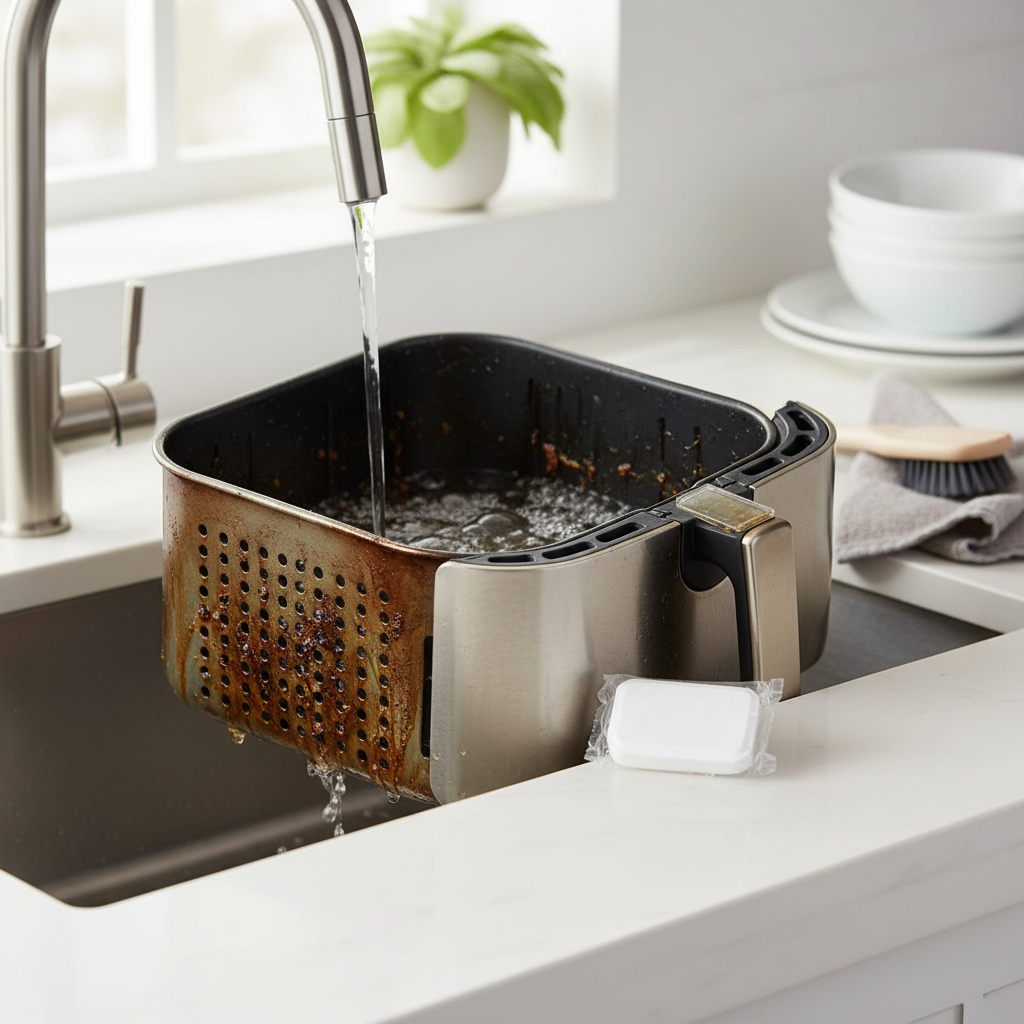
Achieving sparkling clean dishes and a fresh-smelling dishwasher is a common goal for every household. While dishwasher tablets are the go-to for daily cleaning, many homeowners turn to white vinegar for its natural cleaning prowess. However, the idea of combining these two powerful agents often sparks questions about safety and effectiveness. This article clarifies how to best utilize both vinegar and dishwasher tablets to maintain your machine and achieve pristine results, emphasizing crucial safety guidelines.
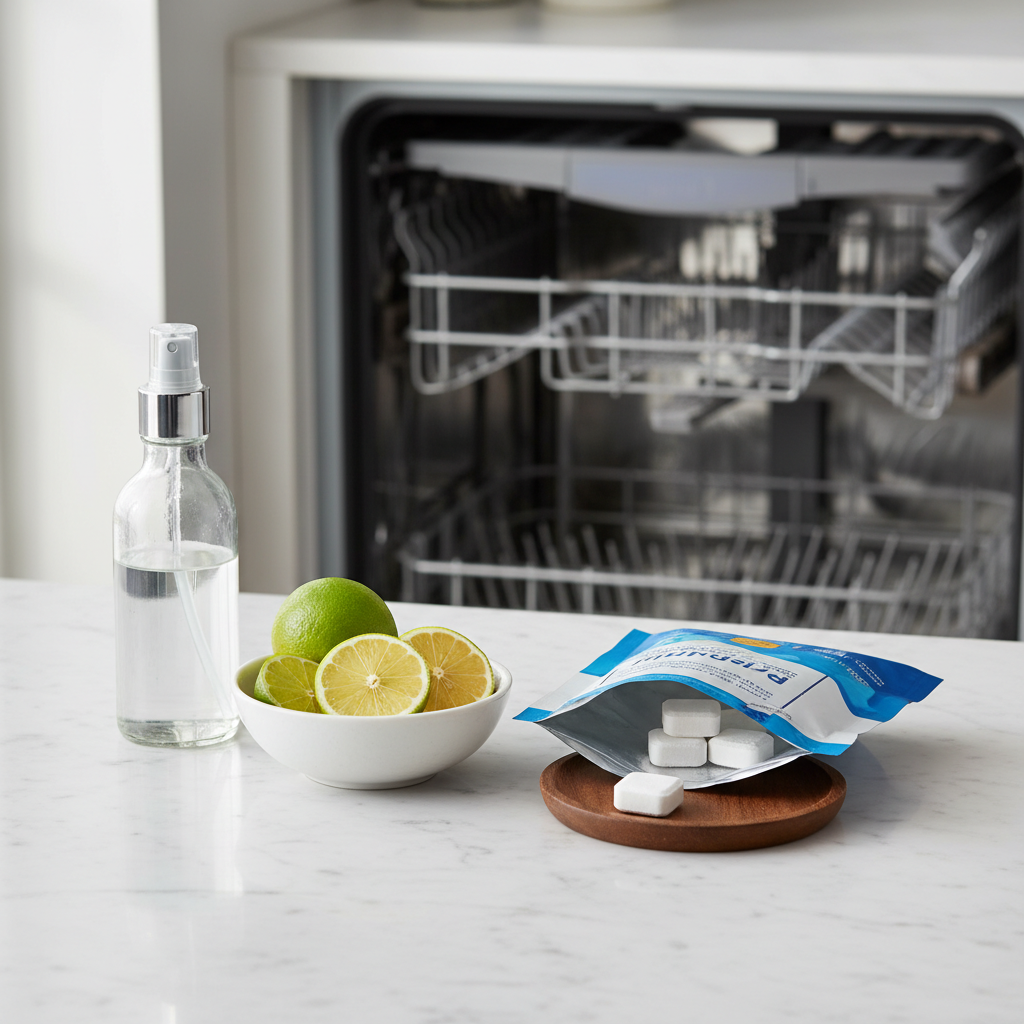
Understanding Dishwasher Tablets: Your Daily Cleaning Powerhouse
Dishwasher tablets are a modern convenience designed to simplify dishwashing. These compact, pre-measured units contain a blend of ingredients specifically formulated to tackle food residues, grease, and stains. Typically, a single tablet includes enzymes to break down food, powerful detergents for cleaning, and often built-in rinse aid and water softening salts to combat hard water and prevent spots. Their all-in-one nature makes them incredibly easy to use, providing consistent cleaning performance with each wash cycle. From basic cleaning to advanced stain removal, tablets offer a hassle-free solution for your daily dishwashing needs.
The Power of Vinegar: An Eco-Friendly Dishwasher Cleaner
White distilled vinegar is a versatile and eco-friendly household staple, celebrated for its natural cleaning, deodorizing, and descaling capabilities. Its primary active component, acetic acid, typically at a 5-6% concentration, effectively dissolves mineral buildup, cuts through grease, and eliminates unpleasant odors. For heavier cleaning, stronger “cleaning vinegar” with up to 20% acetic acid is available. When used correctly in a dishwasher, vinegar can effectively remove limescale, hard water spots, and residue that accumulate over time, leaving the appliance fresh and spotless. It’s an excellent choice for routine maintenance to keep your dishwasher performing at its best.
The Critical Question: Can You Use Vinegar with Dishwasher Tablets Together?
The short answer is generally no, you should not use vinegar and dishwasher tablets simultaneously in the same wash cycle when cleaning dishes. While both are effective cleaning agents, their chemical properties are fundamentally different and can lead to undesirable outcomes. Dishwasher detergents, including those in tablets, are typically alkaline, whereas vinegar is acidic. Introducing them together can neutralize their respective cleaning powers, making both less effective.
More importantly, combining them can pose risks to your appliance and dishes. The acidity of vinegar, especially when undiluted and repeatedly applied, can gradually degrade the rubber gaskets and hoses within your dishwasher, potentially leading to leaks and costly damage over time. Furthermore, if vinegar comes into contact with metallic dishes or flatware that still have salt residue from food, it can cause discoloration or etching. For these reasons, dedicated dishwasher rinse aids and cleaners are formulated to be safe for your machine’s components, unlike general household vinegar. It’s best to keep these cleaning methods separate to ensure both safety and optimal performance.
How to Safely Use Vinegar for Dishwasher Maintenance (Separately)
Using vinegar to clean your dishwasher is an excellent practice for maintenance, but it must be done correctly and separately from your regular dishwashing cycles. Follow these steps for a safe and effective vinegar clean:
- Empty Your Dishwasher Completely: Ensure there are no dishes, utensils, or dishwasher tablets inside the machine. The vinegar needs to circulate freely to clean the appliance itself.
- Place Vinegar in a Container: Pour one to two cups of distilled white vinegar into a dishwasher-safe cup or bowl. Place this container upright on the top rack of your empty dishwasher. This method allows the vinegar to be gradually dispensed and diluted during the cycle, preventing direct, prolonged exposure of concentrated acid to rubber components.
- Run a Hot Cycle: Close the dishwasher door and run a full wash cycle using the hottest water setting available. Do not add any dishwasher detergent. The hot water will help the vinegar penetrate and dissolve mineral deposits, limescale, and grime.
- For a Deeper Clean (Filter Maintenance):
- Remove your dishwasher’s filter.
- Soak the filter in hot water mixed with mild dish soap for about 15 minutes.
- Scrub the filter clean with a soft-bristle brush, then rinse thoroughly.
- While the filter is removed, pour 1/2 cup of baking soda into the drain, followed by 1/2 cup of vinegar. Allow the fizzing mixture to sit for about 15 minutes to break down any residue before rinsing it away.
- Wipe clean with a microfiber cloth and replace the filter.
- Wipe Down Interior: After the cycle is complete, use a soft cloth to wipe down the interior of the dishwasher, especially around the door seal and edges, to remove any remaining spots or residue.
It’s recommended to perform this vinegar cleaning routine about once a month to prevent buildup and keep your dishwasher smelling fresh. This routine upkeep ensures your appliance runs smoothly and efficiently.
Common Dishwasher Issues and Troubleshooting
Even with proper care, dishwashers can encounter issues. Understanding common problems and how to troubleshoot them can save you time and frustration:
- Dishes Not Clean: This is a frequent complaint. Causes can range from improper loading (blocking spray arms) and overloading, to using old or insufficient dishwasher tablets, or a clogged filter. Always ensure spray arms can spin freely and the filter is regularly cleaned.
- White Film on Dishes: Often indicative of hard water. While vinegar can sometimes alleviate this, using a good quality dishwasher tablet with built-in water softening agents or a dedicated rinse aid can significantly help. If the problem persists, a home water softening system might be necessary.
- Dishwasher Odors: Lingering food particles, mold, or mildew can cause unpleasant smells. Running an empty hot cycle with vinegar (as described above) is an excellent way to deodorize and sanitize the machine. Regularly cleaning the filter and ensuring proper air circulation after cycles also helps.
Choosing the Right Dishwasher Tablets for Your Needs
Selecting the perfect dishwasher tablet depends on various factors specific to your home and habits:
- Water Hardness: If you have hard water, opt for tablets designed with built-in salt action or consider adding dishwasher salt separately, if your machine has a compartment for it.
- Ingredient Preference: Many brands offer eco-friendly or plant-based options for those seeking a greener clean.
- Machine Type: While most tablets are universal, always check your dishwasher’s manual for any specific recommendations.
- Performance: Read user reviews to gauge cleaning effectiveness against tough stains and food residue.
By understanding your needs and the product features, you can make an informed choice that delivers exceptional cleaning every time.
Conclusion
In summary, both dishwasher tablets and white vinegar are invaluable tools for maintaining a clean kitchen, but they serve different purposes and should be used independently. Dishwasher tablets are engineered for efficient daily dishwashing, providing powerful cleaning and convenience. White vinegar, on the other hand, excels as a natural descaler, deodorizer, and cleaner for the dishwasher appliance itself, helping to combat limescale buildup and maintain freshness.
To ensure both the longevity of your appliance and the effectiveness of your cleaning efforts, avoid combining vinegar directly with dishwasher tablets or placing vinegar in the rinse aid dispenser during regular dishwashing cycles. Instead, incorporate a monthly vinegar cleaning ritual for your empty dishwasher, and rely on high-quality dishwasher tablets for your everyday dish loads. By following these guidelines, you’ll ensure a sparkling clean dishwasher and consistently spotless dishes, simplifying your kitchen routine. What steps will you take to optimize your dishwasher cleaning routine today?
Frequently Asked Questions
Is it safe to put vinegar in the rinse aid dispenser?
|
Our Picks for the Best Dishwasher tablets in 2026
As an Amazon Associate I earn from qualifying purchases.
|
||
| Num | Product | Action |
|---|---|---|
| 1 | Cascade Platinum Plus Dishwasher Pods, Dish Detergent Soap, Clean Scent, 62 Count |

|
| 2 | BLUELAND 100% Plastic-Free Dishwasher Detergent Tablets, 60 Count, Free & Clear, Eco-Friendly Dishwashing Pods, Natural, USDA Certified biobased |
|
| 3 | Finish Quantum Dishwasher Pods, No Pre-Rinse Dishwasher Detergent Soap Removes 24HR Dried-On Stain and Grease, Leaving a Virtually Spotless Shine, 100 Count |
|
| 4 | Finish Classic Dishwasher Pods, No Pre-Rinse Dishwasher Detergent Soap For Clean & Shine everyday with grease fighting Power, 84 count |
|
| 5 | Cascade Complete Dishwasher Pods - Fresh Scent ActionPacs, Dishwasher Detergent, Dishwasher Soap, Detergent Pods, 78 Count |
|
| 6 | Finish - All in 1 - Dishwasher Detergent - Powerball - Dishwashing Tablets - Dish Tabs - Fresh Scent, 94 Count (Pack of 1) - Packaging May Vary |
|
| 7 | BLUELAND 100% Plastic-Free Dishwasher Detergent Tablets, Starter Set, 60 Count with tin, Free & Clear, Eco-Friendly Dishwashing Pods, Natural, USDA Certified biobased |
|
| 8 | Finish Quantum Dishwasher Pods, No Pre-Rinse Dishwasher Detergent Soap Removes 24HR Dried-On Stain and Grease, Leaving a Virtually Spotless Shine, 82 Count |
|
| 9 | Cascade Complete Dishwasher Detergent Pods Fresh Scent Value Pack, Powerful Dishwasher Pods for Sparkling Clean Dishes, Grease-Fighting Dishwashing Detergent Tablets, 100 Count |
|
| 10 | BLUELAND 100% Plastic-Free Dishwasher Detergent Tablets, 120 Count, Free & Clear, Eco-Friendly Dishwashing Pods, Natural, USDA Certified biobased |
|
While some sources suggest it as a natural alternative, it is generally not recommended to put undiluted vinegar directly into your dishwasher’s rinse aid dispenser. The high acidity of vinegar can corrode rubber seals and plastic components over time, potentially causing damage to your machine. It’s safer to use commercial rinse aid or to use vinegar only in an empty cleaning cycle, placed in an open container on the top rack.
What happens if you accidentally mix vinegar and dishwasher tablets?
Accidentally mixing vinegar and dishwasher tablets in one cycle is unlikely to create a dangerous chemical reaction, but it will reduce their effectiveness. The acid in vinegar can neutralize the alkaline cleaning agents in the tablet, resulting in poorly cleaned dishes or a white film residue. It’s best to re-wash the load with just a dishwasher tablet.
How often should I clean my dishwasher with vinegar?
For optimal maintenance and to prevent the buildup of hard water deposits, limescale, and odors, it’s recommended to clean your dishwasher with white distilled vinegar about once a month. Regular cleaning helps ensure your appliance runs efficiently and your dishes come out sparkling clean.