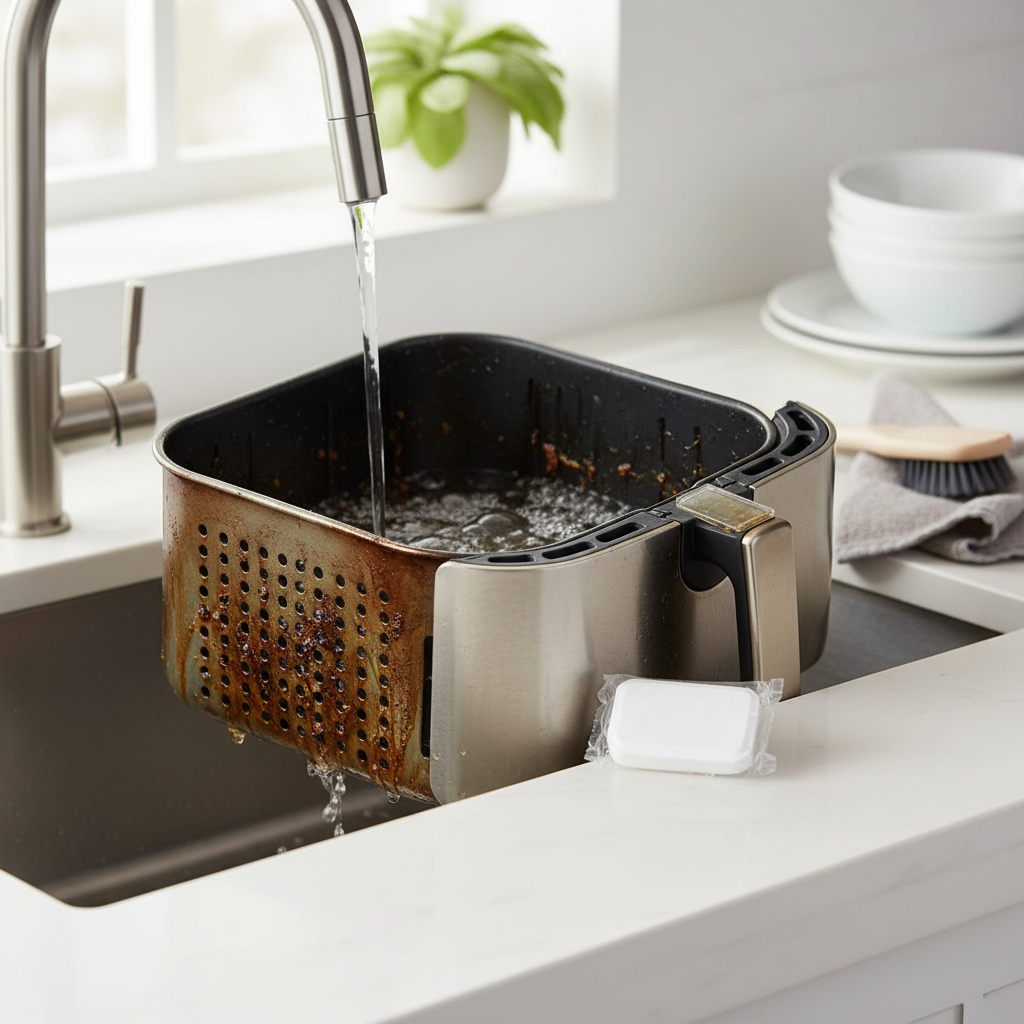
White vinegar has earned a formidable reputation as a natural, all-purpose cleaner, a go-to solution for countless household chores. Its ability to cut through grime, disinfect surfaces, and tackle mineral deposits often leads homeowners to believe it’s a safe and effective remedy for every cleaning challenge, including maintaining their dishwasher. However, this common assumption overlooks a critical detail: the potent acidity of white vinegar can pose a significant threat to your dishwasher’s most vital components, particularly its rubber seals, leading to costly damage and leaks over time.
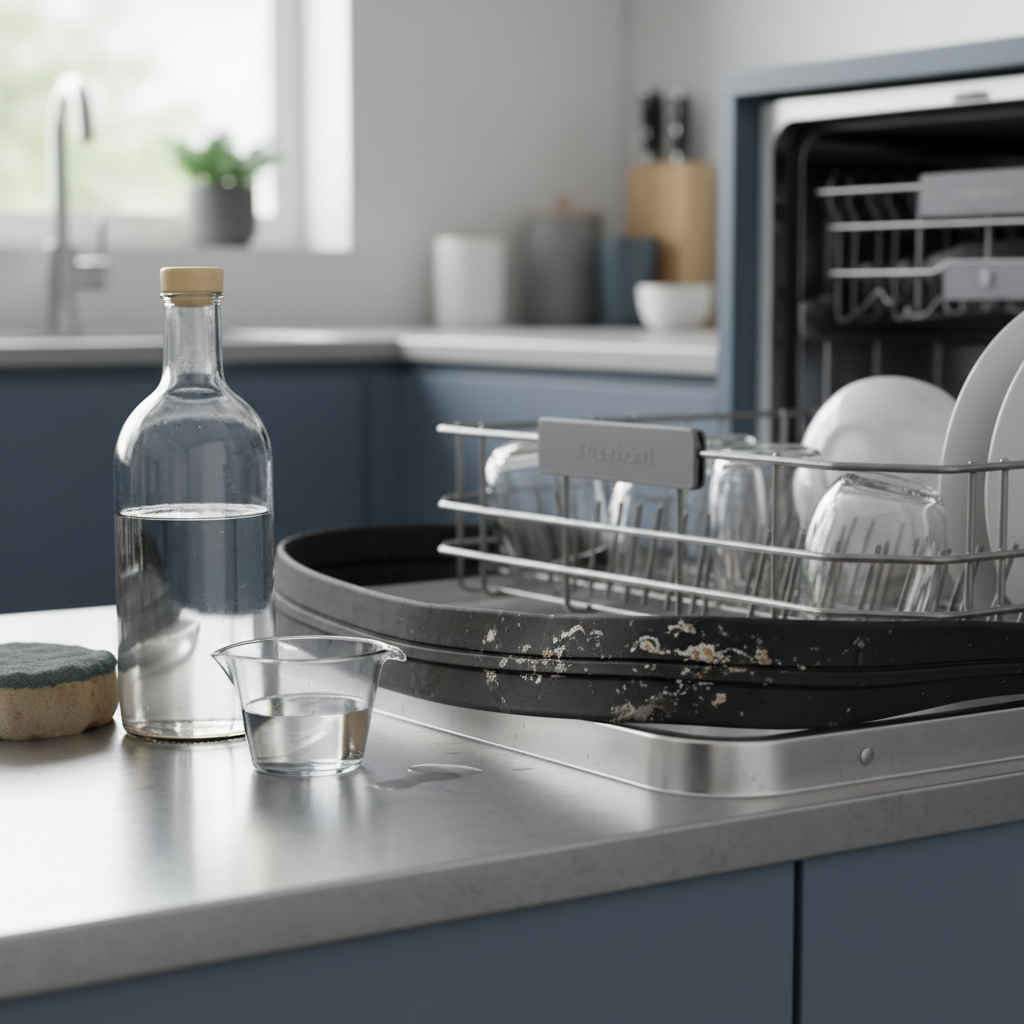
The Allure and Acidity of White Vinegar
Many gravitate towards white vinegar for cleaning dishwashers due to its perceived natural origin and powerful cleaning properties. It effectively breaks down stubborn grease, food residue, and unsightly mineral deposits, and even boasts disinfectant qualities. This effectiveness stems from its active ingredient, acetic acid, which typically constitutes about 5% of distilled white vinegar, giving it a pH level between 2 and 3. While this acidity is a boon for dissolving tough buildup, it also makes vinegar a corrosive agent that can interact negatively with certain materials.
Understanding Your Dishwasher’s Vulnerable Seals
Dishwasher seals and gaskets are crucial components designed to create a watertight barrier, preventing water from escaping the appliance during a wash cycle. These seals are predominantly made from various types of rubber, or sometimes silicone, chosen for their flexibility and durability in high-temperature, wet environments. However, these materials, particularly natural rubber compounds, are not impervious to harsh chemicals. Their molecular structure makes them susceptible to chemical degradation when exposed to acidic substances like acetic acid.
The Corrosive Impact: How Acetic Acid Degrades Seals
The primary reason white vinegar can damage dishwasher seals lies in its acidic nature. Acetic acid, when it repeatedly comes into contact with the rubber polymers in these seals, initiates a chemical breakdown. Over time, this corrosive interaction strips the rubber of its essential elasticity and integrity. The seals begin to harden, becoming brittle, cracking, or even shrinking, compromising their ability to maintain a tight seal.
While a single, isolated use might not cause immediate, noticeable damage, the danger escalates with regular and frequent exposure. Constant washing cycles involving vinegar mean continuous exposure, accelerating the degradation process significantly. This damage isn’t limited to just the door seals; other internal rubber hoses and some plastic components within the dishwasher can also be adversely affected by sustained acidic exposure.
Beyond Seals: Other Potential Dishwasher Damage
The harm from white vinegar can extend beyond just the rubber seals. Its acidity can also lead to the corrosion of certain metal components inside the dishwasher, particularly if it mixes with residual salts from hard water or food particles. This chemical reaction can result in pitting or discoloration of metal parts, including stainless steel interiors and silverware. Furthermore, continuous exposure can potentially weaken other internal plastic components, leading to premature wear and tear throughout the appliance.
Identifying the Signs of Damage
Recognizing the early signs of vinegar-related damage can help you address the issue before it escalates into a major repair. Visibly, you might notice the rubber seals around your dishwasher door developing cracks, becoming stiff and less pliable, or appearing shriveled and shrunken. Performance-wise, the most obvious indicator is water leaking from around the dishwasher door during or after a cycle. You might also observe standing water in the bottom of the appliance, hear unusual noises, or experience reduced cleaning efficiency due to a compromised watertight environment.
Safe and Approved Dishwasher Cleaning Methods
To effectively clean your dishwasher without risking damage to its essential components, it’s best to rely on methods and products specifically designed for the task.
- Manufacturer-Recommended Cleaners: The safest and most effective option is to use specialized dishwasher cleaning tablets or liquids. These products are formulated to tackle mineral buildup, grease, and odors while being safe for all internal materials, including rubber and silicone seals.
- Citric Acid: For descaling, citric acid can be a safer alternative to vinegar. Many commercial dishwasher cleaners contain citric acid as an active ingredient. When using pure citric acid, always follow instructions carefully and ensure it’s used in appropriate concentrations.
- Baking Soda: For deodorizing and a mild abrasive clean, sprinkle a cup of baking soda in the bottom of an empty dishwasher and run a short, hot cycle. This helps absorb odors and gently scrub away light residue.
- Regular Manual Cleaning: Simple, consistent maintenance is key. Weekly, wipe down the door edges and gaskets with a cloth dampened with warm water and mild dish soap. Regularly remove and clean the dishwasher filter to prevent food particle buildup.
- Diluted Vinegar for Targeted External Cleaning: If you still wish to use vinegar for cleaning, limit its application. A very diluted solution (e.g., 1/4 cup white vinegar to 2 cups water) can be used on a cloth to gently wipe down external door gaskets to remove grime, but never apply undiluted vinegar directly or allow it to remain in contact for extended periods. Avoid using it inside the dishwasher during a wash cycle.
Protecting Your Dishwasher’s Longevity: Best Practices
To ensure your dishwasher operates efficiently and remains leak-free for years, always prioritize its long-term health. The most important step is to consult your appliance’s user manual. It contains specific recommendations for cleaning and maintenance tailored to your model’s materials and design. Avoid pouring undiluted vinegar directly into the detergent dispenser or rinse aid compartment, as this exposes seals and other components to concentrated acid throughout the wash cycle. Regular deep cleaning with approved products, ideally once a month, combined with weekly manual wiping and filter cleaning, will keep your dishwasher in top condition.
Choosing the Right Dishwasher Care Products
When selecting products for dishwasher care, consider these factors:
- Effectiveness: Look for cleaners specifically designed to address your primary concerns, whether it’s hard water spots, mineral buildup, grease, or odors.
- Safety: Always verify that the product is safe for all dishwasher components, including sensitive rubber and silicone seals, and internal metal or plastic parts. Read product labels carefully for compatibility.
- Reviews & Certifications: Check user reviews and look for any certifications that attest to the product’s safety and effectiveness.
- Budget: While cost is a factor, weigh the price of a good quality dishwasher cleaner against the potential cost of repairing or replacing damaged seals and other components due to improper cleaning methods. Investing in the right products can save you money in the long run.
Common Misconceptions to Avoid
It’s easy to fall prey to cleaning myths, but understanding the science behind them is crucial for appliance care.
- “Vinegar is completely natural, so it must be safe for everything.” While vinegar is natural, its acidic properties mean it’s not universally safe for all materials, especially certain types of rubber and plastics found in appliances.
- “A little bit won’t hurt.” Consistent “little bits” of an acidic substance over time can accumulate and lead to significant degradation and damage to sensitive components like dishwasher seals.
Conclusion
While white vinegar shines as a versatile natural cleaner for many areas of your home, its potent acidity presents a clear and present danger to your dishwasher’s delicate rubber seals. Understanding the corrosive impact of acetic acid on these vital components is key to preventing premature wear, costly leaks, and diminished appliance performance. Prioritizing manufacturer-approved cleaning solutions and adhering to careful maintenance routines are the most reliable ways to ensure your dishwasher remains healthy, efficient, and leak-free for its entire lifespan.
What cleaning routines have you found most effective for maintaining your dishwasher’s longevity?
Frequently Asked Questions
Is it ever safe to use vinegar in a dishwasher?
|
Our Picks for the Best Dishwasher tablets in 2026
As an Amazon Associate I earn from qualifying purchases.
|
||
| Num | Product | Action |
|---|---|---|
| 1 | Finish - All in 1 - Dishwasher Detergent - Powerball - Dishwashing Tablets - Dish Tabs - Fresh Scent, 94 Count (Pack of 1) - Packaging May Vary |

|
| 2 | Finish Quantum Dishwasher Pods, No Pre-Rinse Dishwasher Detergent Soap Removes 24HR Dried-On Stain and Grease, Leaving a Virtually Spotless Shine, 100 Count |
|
| 3 | Finish Quantum Dishwasher Pods, No Pre-Rinse Dishwasher Detergent Soap Removes 24HR Dried-On Stain and Grease, Leaving a Virtually Spotless Shine, 82 Count |
|
| 4 | Cascade Platinum Plus Dishwasher Pods, Dish Detergent Soap, Clean Scent, 62 Count |
|
| 5 | Cascade Complete Dishwasher Pods - Fresh Scent ActionPacs, Dishwasher Detergent, Dishwasher Soap, Detergent Pods, 78 Count |
|
| 6 | Finish Classic Dishwasher Pods, No Pre-Rinse Dishwasher Detergent Soap For Clean & Shine everyday with grease fighting Power, 84 count |
|
| 7 | Cascade Complete Dishwasher Detergent Pods Fresh Scent Value Pack, Powerful Dishwasher Pods for Sparkling Clean Dishes, Grease-Fighting Dishwashing Detergent Tablets, 100 Count |
|
| 8 | BLUELAND 100% Plastic-Free Dishwasher Detergent Tablets, Starter Set, 60 Count with tin, Free & Clear, Eco-Friendly Dishwashing Pods, Natural, USDA Certified biobased |
|
| 9 | BLUELAND 100% Plastic-Free Dishwasher Detergent Tablets, 60 Count, Free & Clear, Eco-Friendly Dishwashing Pods, Natural, USDA Certified biobased |
|
| 10 | BLUELAND 100% Plastic-Free Dishwasher Detergent Tablets, 120 Count, Free & Clear, Eco-Friendly Dishwashing Pods, Natural, USDA Certified biobased |
|
Yes, but with significant caution. Highly diluted vinegar (e.g., a cloth dampened with a weak vinegar-water solution) can be used to manually wipe external door gaskets. Some sources suggest placing a cup of white vinegar on the top rack of an empty dishwasher for a monthly cleaning cycle, but consistent or undiluted use should be avoided to protect internal rubber components.
How often should I clean my dishwasher?
Most experts recommend a deep clean with a specialized dishwasher cleaner once a month. Additionally, it’s beneficial to wipe down the door edges and clean the filter weekly to remove food debris and prevent buildup.
What happens if I accidentally use vinegar in my dishwasher?
If you’ve used vinegar accidentally or infrequently, it might not cause immediate damage. However, you should inspect the rubber seals for any immediate signs of deterioration, such as cracking or softening, and monitor for leaks during subsequent cycles. Switch to approved dishwasher cleaners for future maintenance.
Are there any dishwashers that are safe for vinegar?
Dishwasher manufacturers universally design their appliances with seals and hoses made from materials like rubber and silicone that can degrade when repeatedly exposed to strong acids. Therefore, no dishwasher is truly “safe” for regular or undiluted vinegar use in its internal components. Always consult your specific dishwasher’s manual for recommended cleaning agents.
Does using vinegar void my dishwasher warranty?
Using cleaning agents not explicitly recommended by the manufacturer, such as undiluted or frequently used white vinegar, could potentially void your dishwasher’s warranty if it leads to component failure. Always refer to your appliance’s warranty terms and user manual for guidance on acceptable cleaning practices.