Tired of pulling seemingly clean glasses from your dishwasher only to find them marred by a cloudy, unsightly film? It’s a common frustration, turning sparkling expectations into a dull reality. You’re not alone in this battle for crystal-clear glassware, and the good news is that with the right knowledge and habits, you can often achieve lasting clarity. This comprehensive guide will demystify the causes behind cloudy glasses, equip you with effective cleaning methods, and, most importantly, provide a robust arsenal of prevention strategies to keep your glassware gleaming for good.
Understanding the Mystery: Why Do Glasses Turn Cloudy?
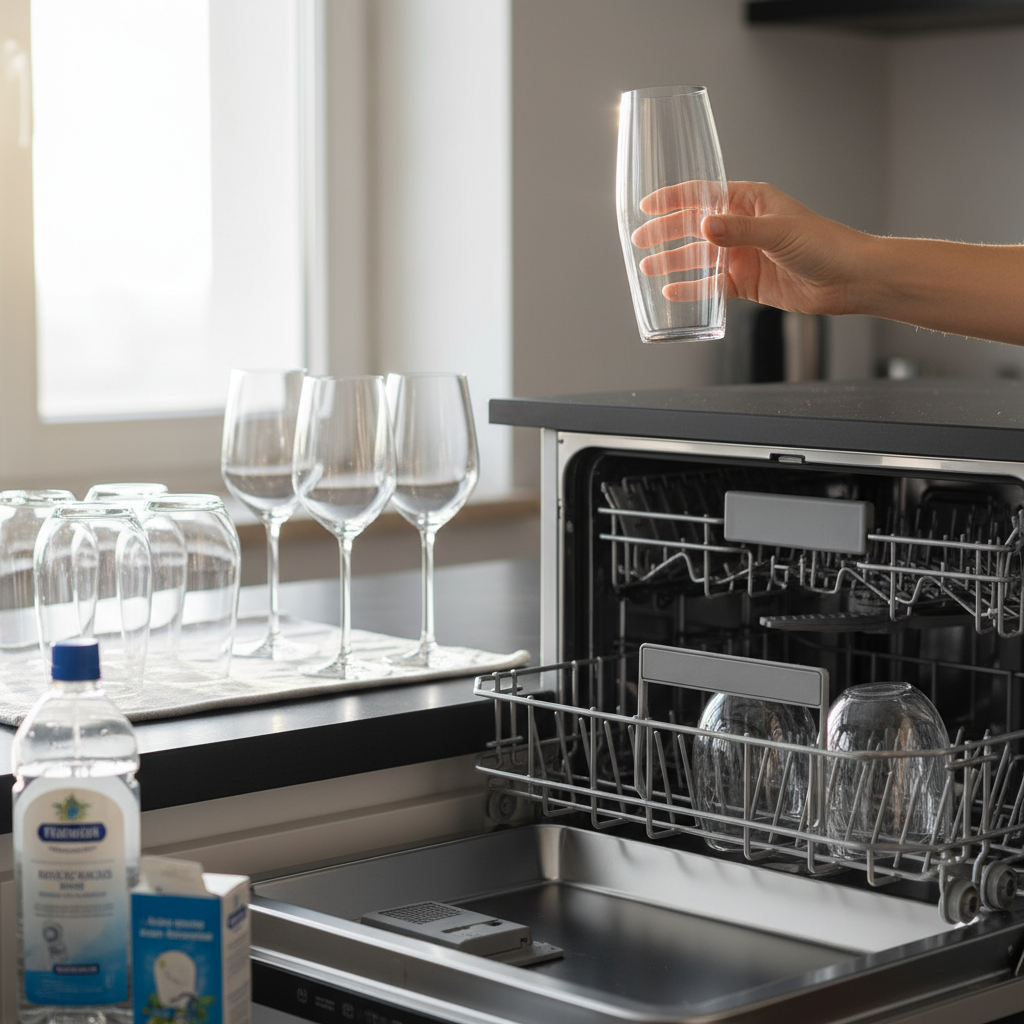
Before we can tackle the problem, we must first understand its roots. The cloudiness on your glasses typically stems from two primary culprits: hard water mineral deposits or glass etching. Identifying which one you’re facing is crucial, as the solutions—and their permanence—differ significantly.
Hard Water Film: The Reversible Residue
|
Our Picks for the Best Dishwasher tablets in 2026
As an Amazon Associate I earn from qualifying purchases.
|
||
| Num | Product | Action |
|---|---|---|
| 1 | Cascade Complete Dishwasher Detergent Pods Fresh Scent Value Pack, Powerful Dishwasher Pods for Sparkling Clean Dishes, Grease-Fighting Dishwashing Detergent Tablets, 100 Count |

|
| 2 | BLUELAND 100% Plastic-Free Dishwasher Detergent Tablets, 120 Count, Free & Clear, Eco-Friendly Dishwashing Pods, Natural, USDA Certified biobased |
|
| 3 | BLUELAND 100% Plastic-Free Dishwasher Detergent Tablets, 60 Count, Free & Clear, Eco-Friendly Dishwashing Pods, Natural, USDA Certified biobased |
|
| 4 | Finish - All in 1 - Dishwasher Detergent - Powerball - Dishwashing Tablets - Dish Tabs - Fresh Scent, 94 Count (Pack of 1) - Packaging May Vary |
|
| 5 | Cascade Platinum Plus Dishwasher Pods, Dish Detergent Soap, Clean Scent, 62 Count |
|
| 6 | Finish Quantum Dishwasher Pods, No Pre-Rinse Dishwasher Detergent Soap Removes 24HR Dried-On Stain and Grease, Leaving a Virtually Spotless Shine, 100 Count |
|
| 7 | BLUELAND 100% Plastic-Free Dishwasher Detergent Tablets, Starter Set, 60 Count with tin, Free & Clear, Eco-Friendly Dishwashing Pods, Natural, USDA Certified biobased |
|
| 8 | Finish Quantum Dishwasher Pods, No Pre-Rinse Dishwasher Detergent Soap Removes 24HR Dried-On Stain and Grease, Leaving a Virtually Spotless Shine, 82 Count |
|
| 9 | Cascade Complete Dishwasher Pods - Fresh Scent ActionPacs, Dishwasher Detergent, Dishwasher Soap, Detergent Pods, 78 Count |
|
| 10 | Finish Classic Dishwasher Pods, No Pre-Rinse Dishwasher Detergent Soap For Clean & Shine everyday with grease fighting Power, 84 count |
|
Hard water contains a high concentration of dissolved minerals, primarily calcium and magnesium. When this water dries on surfaces, these minerals are left behind, forming a white, milky, or hazy film. This is essentially limescale buildup. While frustrating, this type of cloudiness is generally reversible. It’s an aesthetic issue, not a structural one for your glassware, and can often be removed with acidic solutions.
Glass Etching (Corrosion): The Permanent Damage
More concerning than hard water film is glass etching, also known as glass corrosion. This is a permanent chemical and physical alteration to the glass surface, characterized by tiny pits, scratches, and a dull, cloudy appearance that cannot be washed away. Etching usually occurs over time due to a complex interaction of factors:
- Soft Water: Paradoxically, very soft water can increase the risk of etching because it is more reactive and can pull minerals from the glass itself.
- High Water Temperatures: Extremely hot water accelerates the chemical reactions between detergent and glass, contributing to etching.
- Too Much Detergent: Excessive detergent, especially in soft water, creates a highly alkaline environment that can corrode glass.
- Low Soil Load: When dishes are heavily pre-rinsed, the detergent has less food soil to interact with, making it more aggressive towards the glassware.
- Type of Glassware: Some cheaper or older glassware is more susceptible to etching than modern, more durable varieties.
The Vinegar Test: How to Diagnose the Problem
To determine if your glasses are suffering from hard water film or irreversible etching, perform a simple vinegar test:
- Dip a corner of a cloth or sponge in white vinegar.
- Rub the vinegar-soaked cloth firmly over a small, cloudy section of the glass.
- Observe the results. If the cloudy film begins to disappear and the glass becomes clearer, you’re dealing with hard water mineral deposits. If the haziness remains, your glasses are likely etched, and unfortunately, this damage is permanent.
Bringing Back the Shine: Reversing Cloudiness
Once you’ve diagnosed the cause, you can take targeted action. While etching cannot be reversed, hard water stains can often be removed, restoring your glasses to their former glory.
For Hard Water Stains: Effective Cleaning Solutions
If the vinegar test indicates hard water deposits, these methods can help:
- White Vinegar Soak: For a thorough cleaning, set cloudy glasses on their sides in a sink or large basin. Fill it with enough undiluted white vinegar to completely submerge the affected glassware. Let them soak for 15-30 minutes, or even a few hours for stubborn buildup. After soaking, hand wash with dish soap and warm water, then rinse thoroughly.
- Citric Acid Treatment: Citric acid is another powerful descaler. Fill your dishwasher’s detergent dispenser with citric acid crystals (available in most grocery stores or online) and run an empty cycle, or a cycle with only your cloudy glasses, without any other detergent. The citric acid acts as a limescale remover and will descale the dishwasher at the same time. [cite: 1 (search result)] Alternatively, you can dissolve a tablespoon of citric acid in warm water and soak your glasses in the solution.
- Lemon Juice Scrub: For light film, you can also use fresh lemon juice. Its natural acidity helps dissolve mineral deposits. Rub a cut lemon directly onto the cloudy areas or use a lemon juice solution with a soft cloth.
- Hand Washing: After any of these treatments, hand wash the glasses with dish soap and warm water. Dry them immediately with a microfiber cloth to prevent new water spots from forming.
For Etched Glass: Moving Forward
It’s a tough truth, but once glassware is etched, the damage is irreparable. No amount of scrubbing or soaking will restore its clarity. If your glasses are etched, your best course of action is to focus on preventing future damage to new glassware. Consider repurposing etched glasses for casual use or craft projects.
Forever Clear: Comprehensive Prevention Strategies
Preventing cloudy glasses means addressing multiple factors within your dishwashing routine, from machine settings to detergent choice and water quality.
Optimizing Your Dishwasher Settings
Your dishwasher’s settings play a significant role in preventing both hard water deposits and etching.
- Water Temperature: The “Sweet Spot.” While hot water is essential for cleaning, excessively high temperatures contribute to etching. Aim for a water temperature below 140°F (60°C). Check your dishwasher manual and your home’s water heater settings. If your dishwasher has a “Sani Rinse” or “Hi Temp Wash” option, consider using it sparingly for delicate glassware.
- Cycle Selection: For everyday glassware, use a standard or gentle wash cycle rather than heavy-duty or “pots and pans” cycles, which often use higher temperatures and more aggressive cleaning.
- Rinse Aid: Your Secret Weapon. Rinse aid is arguably the most critical component for preventing cloudy glasses, especially from hard water spots and streaks. It works by reducing the surface tension of water, causing it to “sheet off” glassware rather than clinging and drying as spots. [cite: 1 (search result)] Always keep your dishwasher’s rinse aid dispenser topped up.
- Recommended Rinse Aids:
- Finish Jet-Dry: Widely praised for combating hard water stains and enhancing drying performance. [cite: 1 (search result)]
- Cascade Platinum Rinse Aid: Known for its powerful formula that prevents spotting and boosts cleaning efficiency. [cite: 1 (search result)]
- Lemi Shine Shine + Dry Rinse Aid: Uses citric acid to remove hard water deposits for spotless dishes. [cite: 5 (search result)]
- Recommended Rinse Aids:
Mastering Detergent Use
The detergent you use and how you use it can drastically impact your glassware’s clarity.
- The Right Amount: Less is More. Using too much detergent, especially in soft water, is a leading cause of etching. [cite: 2 (search result)] Modern detergents are highly concentrated. Start with the minimum recommended amount and adjust only if dishes aren’t getting clean. For soft water, you may need even less than the standard recommendation.
- The Right Type: Glass-Protecting Formulas. Look for detergents specifically formulated to protect glassware from etching. Some contain zinc, which helps prevent corrosion. [cite: 1 (search result)] While some all-in-one tablets claim to include rinse aid and hard water protection, using a separate rinse aid often yields superior results.
- The Pre-Rinse Debate: Why Not to Pre-Rinse Excessively. It might seem counterintuitive, but scraping (not rinsing) your dishes clean of large food particles before loading them is generally sufficient. Modern detergents are designed to react with food soil; if dishes are too clean, the detergent can become overly aggressive towards glass and other surfaces, contributing to etching.
Addressing Your Water Quality
The hardness or softness of your water is a major factor in dishwasher performance and glassware clarity. You can usually find out your local water hardness from your water provider’s website.
- Hard Water Solutions:
- Dishwasher Salt: If your dishwasher has a built-in water softener (common in European models like Bosch), use dishwasher salt. This regenerates the softener, removing calcium and magnesium ions from the water and preventing limescale buildup. [cite: 4 (search result)]
- Whole-House Water Softener: For extremely hard water throughout your home, a whole-house water softener is the most effective long-term solution. It protects all water-using appliances and improves the feel of your water. [cite: 4 (search result)]
- Detergent Boosters: Products like Lemi Shine Dish Detergent Booster use citric acid to enhance your detergent’s performance in hard water. [cite: 5 (search result)]
- Soft Water Considerations:
- If you have naturally soft water or a water softener, be extra vigilant about using less detergent and possibly a glass-protecting detergent. Soft water increases the alkalinity of detergent, making etching more likely. Avoid very hot wash temperatures. [cite: 4 (search result)]
Loading and Maintenance
Proper loading and regular dishwasher maintenance contribute significantly to clear glassware.
- Proper Loading: Ensure that glassware is loaded securely and not touching other items, allowing water and detergent to circulate freely. Avoid overcrowding the dishwasher, which can impede cleaning and rinsing. Place delicate glasses in the top rack where the water spray is less intense. [cite: 4 (search result)]
- Regular Dishwasher Cleaning: Mineral buildup, food particles, and grease can accumulate inside your dishwasher, reducing its efficiency and contributing to cloudy dishes and odors. Run an empty cycle with a dishwasher cleaner (like a descaler containing citric acid) once a month. You can also place a dishwasher-safe bowl filled with two cups of white vinegar on the bottom rack and run a hot cycle without dishes or detergent. [cite: 2 (search result)]
Dishwasher Tablets: Choosing the Right Ally
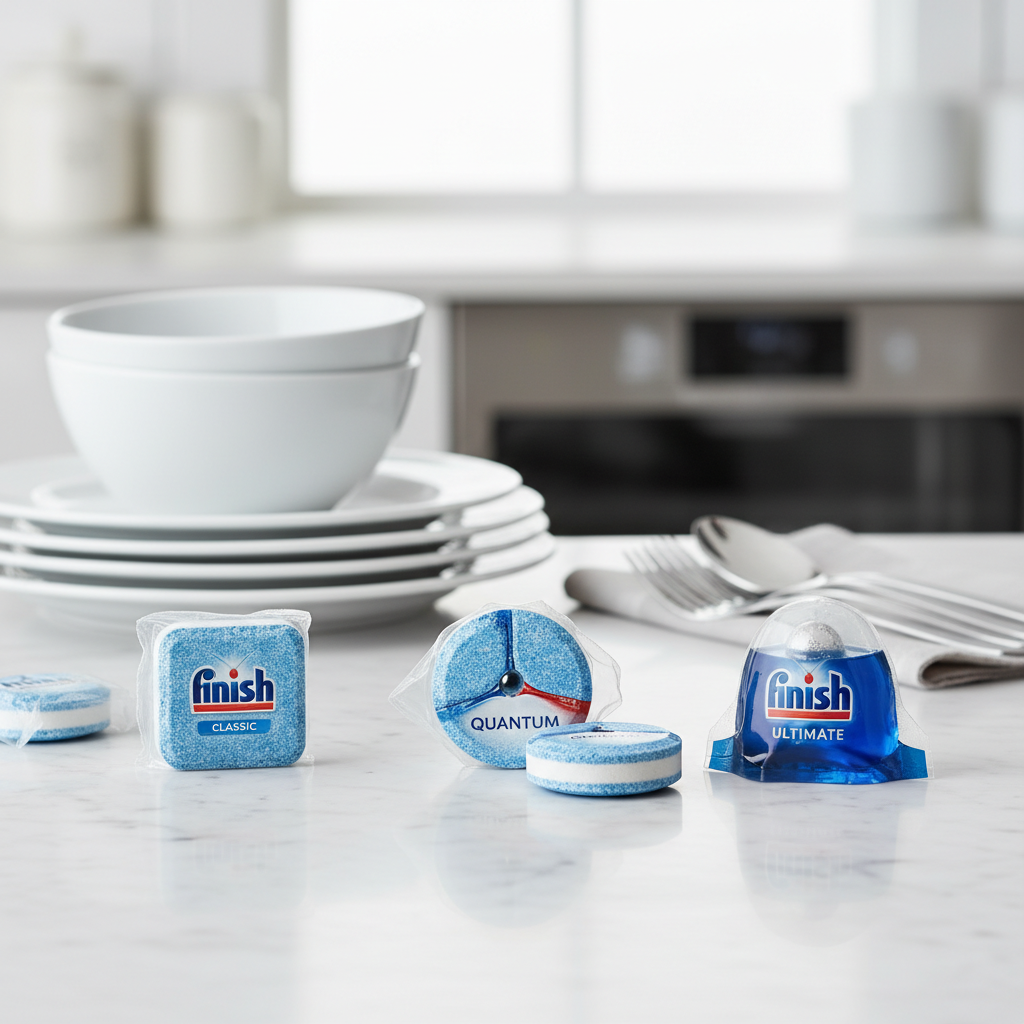
The market offers a vast array of dishwasher tablets, and choosing the right one can directly impact your glassware. While the focus of this article is on stopping cloudiness, understanding how tablets factor in is important. Many modern tablets are “all-in-one” and contain detergent, rinse aid, and even salt or glass protection.
- Tablets for Hard Water: If you have hard water, opt for tablets explicitly designed for hard water conditions. These often contain extra water softening agents or enzymes to combat mineral deposits. Cascade Platinum pods are noted for their effectiveness in hard water due to built-in softening agents. [cite: 4 (search result)]
- Tablets with Built-in Rinse Aid and Glass Protection: Many premium tablets claim to include rinse aid and glass protection. While convenient, for persistent cloudiness or etching, supplementing with a separate rinse aid is often recommended. If you have particularly delicate or expensive glassware, you might consider a gentler gel detergent or a specialized “glassware” tablet.
Simplified Comparison of Detergent Types for Glassware
| Detergent Type | Pros | Cons | Best For |
|---|---|---|---|
| All-in-One Pods/Tablets | Convenient, often contain rinse aid and other boosters. | Can be too strong for soft water, may contribute to etching if overused or in soft water. | Users with moderately hard water, seeking convenience. |
| Powder Detergent | Cost-effective, allows for adjustable dosage (good for soft water). | Can be abrasive if not fully dissolved, prone to clumping, less convenient. | Users with varying water hardness, those who prefer precise dosing. |
| Gel Detergent | Gentle on glass, dissolves easily, less abrasive than powder. | Less powerful on tough stains, may require more product, can leave streaks if used excessively. | Delicate glassware, soft water conditions. |
Expert Insight
“Understanding your water’s unique chemistry—whether it’s hard or soft—is the foundational step in preventing cloudy glassware. Adjusting your detergent, water temperature, and use of rinse aid accordingly will make the most significant difference.” – Admin, ReviewVob.com, Dishwasher & Dishwasher Tablet Specialist
Common Mistakes and Quick Fixes
Even with the best intentions, issues can arise. Here are common problems and how to address them:
- Detergent Not Dissolving Completely: This can leave residue on dishes. Ensure the dispenser isn’t blocked by large dishes. Use fresh detergent (it can lose efficacy over time), and for powders, ensure they are not clumped. Check your water temperature, as cold water can prevent dissolution.
- Glasses Not Clean After Washing: This might indicate improper loading, too little detergent for the soil load, or a dirty dishwasher filter. Check your dishwasher’s spray arms for clogs.
- Dishwasher Has a Foul Odor: A smelly dishwasher can transfer odors to your dishes and indicates a buildup of food particles, grease, or mold. Run a cleaning cycle with a specialized dishwasher cleaner or white vinegar, and regularly clean the filter and door seals.
Conclusion
Achieving perpetually clear glasses from your dishwasher is an attainable goal, not a mythical one. The journey begins with understanding whether you’re battling hard water deposits or the irreversible effects of glass etching. By implementing simple yet powerful strategies—like using the right amount of detergent, maintaining optimal water temperatures, regularly using rinse aid, and ensuring proper dishwasher maintenance—you can