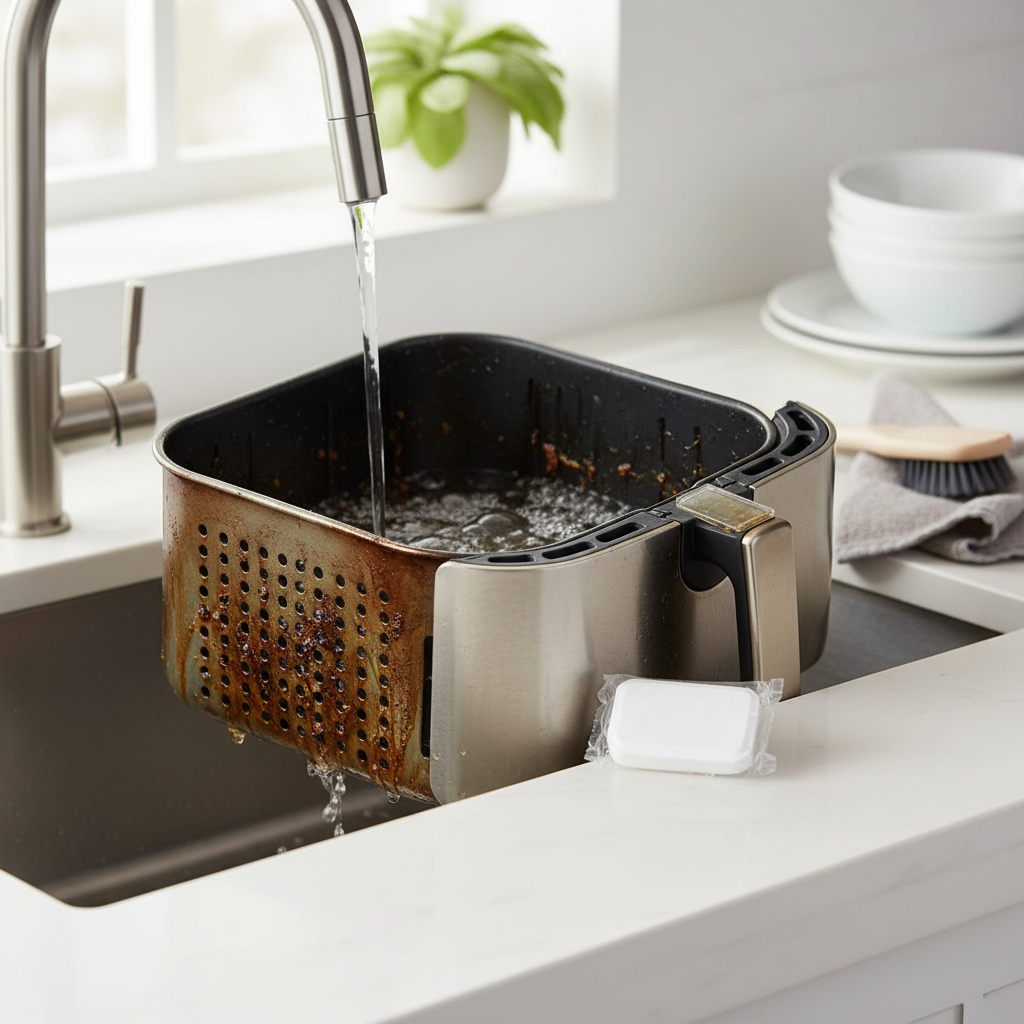
The landscape of household cleaning has dramatically evolved, with pre-measured pods and tablets becoming staples for many. These convenient, mess-free solutions often come encased in a fascinating material: water-soluble film. But beyond the ease of use, a crucial conversation is unfolding about the safety and environmental impact of these films, particularly concerning their primary component, polyvinyl alcohol (PVA or PVOH). As we look to the future of cleaning, understanding this innovative packaging and its implications is key to making informed choices for our homes and the planet.
What Are Water-Soluble Films (PVA/PVOH)?
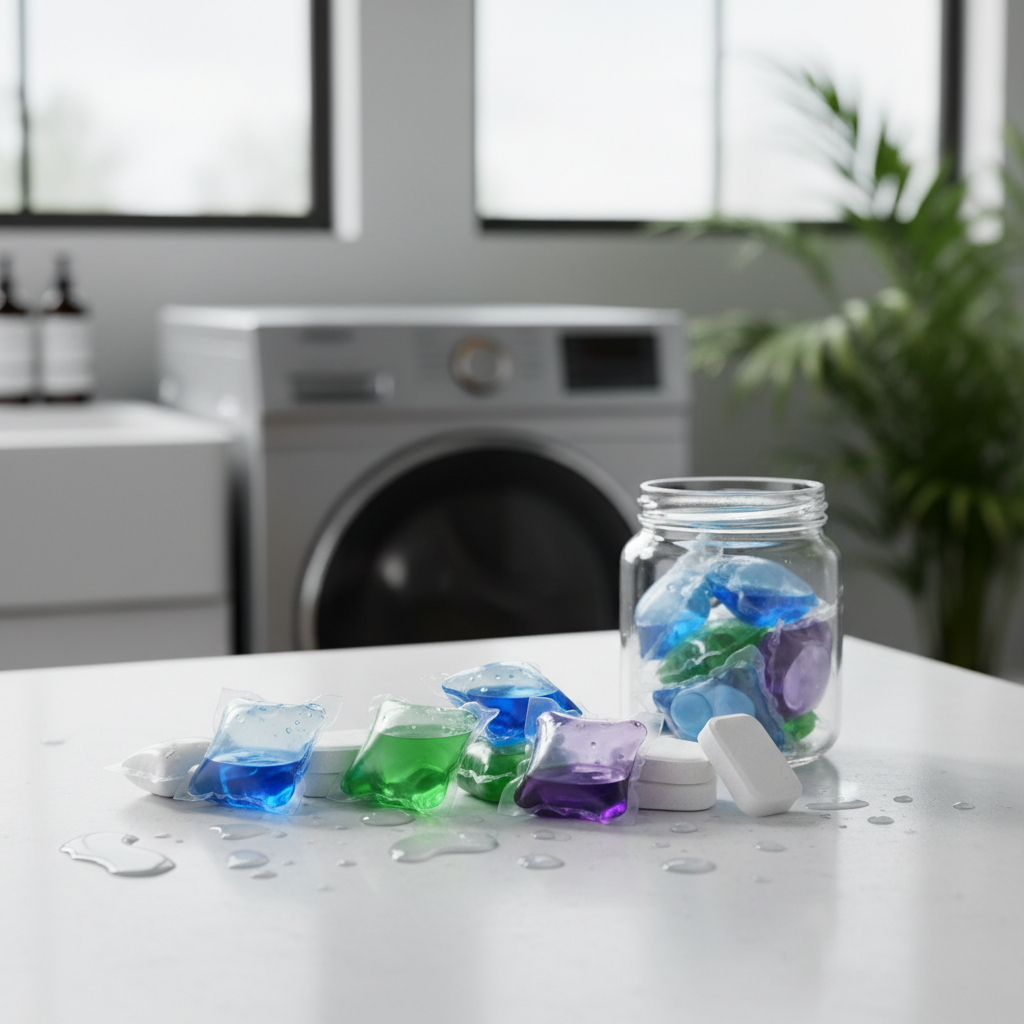
Water-soluble films are thin, flexible layers of polymer materials designed to dissolve when exposed to water. The predominant material used in these films is polyvinyl alcohol, often referred to as PVA or PVOH. This synthetic polymer is colorless, odorless, and non-toxic.
These films encapsulate concentrated cleaning agents, forming popular products such as laundry detergent pods, dishwasher tablets, and even toilet bowl cleaners. Beyond household cleaning, water-soluble films also find applications in agriculture for packaging fertilizers and pesticides, pharmaceuticals for unit-dose medications, and even in personal care products. Their purpose is to deliver a precise, pre-measured dose of product, simplifying usage and minimizing mess.
The Promise of Water-Soluble Films: Benefits and Advantages
The adoption of water-soluble films in cleaning products is driven by several significant advantages that cater to modern consumer needs for convenience and efficiency.
One of the primary benefits is the convenience they offer. Water-soluble pods eliminate the need to measure liquids or powders, ensuring consistent dosing and reducing the likelihood of spills. This not only simplifies household chores but also helps prevent overuse of cleaning agents. Their pre-dosed nature means less direct contact with concentrated chemicals, which can be a safety advantage for users.
Furthermore, these films can contribute to reduced packaging waste compared to bulky traditional containers. By enabling more concentrated formulas, they lead to smaller, lighter packaging, which can also reduce shipping costs and transportation emissions. The films themselves are designed to dissolve, theoretically leaving no solid waste behind in the traditional sense.
Safety First: Understanding Water-Soluble Film for Household Use
When it comes to safety, water-soluble films, particularly those made from PVA, are generally considered safe for skin contact. The material is non-toxic and hypoallergenic, making it suitable for various applications that involve direct skin interaction.
However, concerns often arise regarding accidental ingestion, especially in households with children or pets. While ingesting small amounts of PVA film is typically not harmful, as it is designed to dissolve in the digestive system without immediate issues, consuming larger quantities could lead to blockages in the digestive tract, potentially requiring medical attention. Studies have noted that clinically significant symptoms following ingestion of soluble film automatic dishwashing tablets are rare, possibly due to minimal actual ingestion or quick expulsion. Nonetheless, it is crucial to store any cleaning products, including water-soluble pods, out of reach of children and pets to prevent accidental exposure to the concentrated contents. The Food and Drug Administration (FDA) has approved PVA for safe use in various food, medicine, and agricultural products, underscoring its general safety profile.
Water-Soluble Films and the Environment: A Closer Look at Biodegradability
The environmental impact of water-soluble films is a central point of discussion, with varying perspectives on their true biodegradability and contribution to pollution.
The Case for Biodegradability
|
Our Picks for the Best Dishwasher tablets in 2026
As an Amazon Associate I earn from qualifying purchases.
|
||
| Num | Product | Action |
|---|---|---|
| 1 | Finish Quantum Dishwasher Pods, No Pre-Rinse Dishwasher Detergent Soap Removes 24HR Dried-On Stain and Grease, Leaving a Virtually Spotless Shine, 82 Count |

|
| 2 | Cascade Platinum Plus Dishwasher Pods, Dish Detergent Soap, Clean Scent, 62 Count |
|
| 3 | Cascade Complete Dishwasher Pods - Fresh Scent ActionPacs, Dishwasher Detergent, Dishwasher Soap, Detergent Pods, 78 Count |
|
| 4 | Finish - All in 1 - Dishwasher Detergent - Powerball - Dishwashing Tablets - Dish Tabs - Fresh Scent, 94 Count (Pack of 1) - Packaging May Vary |
|
| 5 | Cascade Complete Dishwasher Detergent Pods Fresh Scent Value Pack, Powerful Dishwasher Pods for Sparkling Clean Dishes, Grease-Fighting Dishwashing Detergent Tablets, 100 Count |
|
| 6 | BLUELAND 100% Plastic-Free Dishwasher Detergent Tablets, 120 Count, Free & Clear, Eco-Friendly Dishwashing Pods, Natural, USDA Certified biobased |
|
| 7 | BLUELAND 100% Plastic-Free Dishwasher Detergent Tablets, Starter Set, 60 Count with tin, Free & Clear, Eco-Friendly Dishwashing Pods, Natural, USDA Certified biobased |
|
| 8 | Finish Quantum Dishwasher Pods, No Pre-Rinse Dishwasher Detergent Soap Removes 24HR Dried-On Stain and Grease, Leaving a Virtually Spotless Shine, 100 Count |
|
| 9 | Finish Classic Dishwasher Pods, No Pre-Rinse Dishwasher Detergent Soap For Clean & Shine everyday with grease fighting Power, 84 count |
|
| 10 | BLUELAND 100% Plastic-Free Dishwasher Detergent Tablets, 60 Count, Free & Clear, Eco-Friendly Dishwashing Pods, Natural, USDA Certified biobased |
|
Proponents argue that water-soluble films are indeed eco-friendly. Manufacturers like MonoSol and Polyva, along with organizations like the American Cleaning Institute (ACI), state that the polyvinyl alcohol (PVA) films used in detergents are specifically designed to dissolve completely upon contact with water and are readily biodegradable. They emphasize that PVA breaks down into harmless substances, such as carbon dioxide and water, when consumed by bacterial microorganisms in wastewater treatment plants and natural environments.
According to these sources, PVA films do not persist in the environment, contaminate recycling streams, or contribute to plastic or microplastic pollution. The film meets stringent regulatory safety criteria, including the OECD 301B standard for biodegradability, which is widely recognized by regulatory agencies globally. They clarify that detergent-grade PVA dissolves into single molecules, which is fundamentally different from the behavior of solid microplastics. This molecular dissolution, they claim, allows for enhanced bioavailability to microorganisms, leading to effective degradation and preventing the formation of microplastics or the adsorption of pollutants.
“The grade of PVA used in laundry unit dose films, pharmaceuticals and food is soluble and the environmental safety (algae, daphnia, and fish) and mammalian safety has been confirmed by the EPA, FDA and other agencies around the world.”
The Microplastic Debate: Concerns and Counter-Arguments
Despite the assurances from some manufacturers and industry groups, a significant counter-argument exists regarding the environmental fate of PVA films. Critics, such as the eco-friendly brand Blueland, contend that PVA is a petroleum-based plastic. While it dissolves in water, they argue that it does not fully disappear but rather breaks down into smaller plastic particles that persist as microplastics and nanoplastics.
This perspective is supported by research suggesting that a substantial portion, around 75%, of intact plastic particles from laundry detergent pods may be released into oceans, rivers, and soil because the specific conditions required for complete degradation are often not met in most wastewater treatment plants. Once in the environment, these microplastic PVA particles could potentially adsorb dangerous chemicals, contaminants, antibiotics, and heavy metals, thereby entering the food chain. There have been reports of PVA being found in drinking water and human breast milk, raising further alarm. This concern has led to legislative efforts, such as the “Pods Are Plastic Bill” introduced in New York City, aimed at restricting the sale of laundry and dishwasher detergent pods containing PVA.
The debate highlights a critical need for transparent, verifiable science to fully understand the long-term environmental destiny of water-soluble films in various real-world conditions.
The Future of Cleaning: Innovations and Trends in Water-Soluble Packaging
Regardless of the ongoing debate, the market for water-soluble pods packaging is projected for substantial growth. Industry reports indicate a significant expansion, driven by the increasing demand for eco-friendly, pre-dosed products that offer convenience and reduce consumer exposure to harsh chemicals. The water-soluble pods packaging market is expected to reach USD 1,700 million by 2035, with household cleaning products remaining the dominant application segment.
This future will see continued innovations in PVA film technology, focusing on enhancing biodegradability and overall sustainability. Efforts towards zero-waste packaging are a key focus for manufacturers. Beyond traditional cleaning, the use of water-soluble films is anticipated to expand into emerging sectors such as personal care and pharmaceuticals, leveraging their precise dosing and ease-of-use benefits. Growing emphasis from regulatory bodies and sustainability-driven consumers will continue to compel brands to adopt and refine water-soluble packaging solutions globally.
Choosing Water-Soluble Cleaning Products Wisely
As a consumer, navigating the landscape of water-soluble cleaning products requires careful consideration. Here are some tips to help you choose wisely:
- Understand the Film: While PVA is the most common, be aware of ongoing research and discussions about its environmental fate. Look for detailed information from manufacturers about their specific film’s biodegradability.
- Check Certifications: Seek out products that carry recognized environmental certifications, which can indicate adherence to certain sustainability standards.
- Prioritize Safety: Always store pods and tablets in their original packaging, in a secure location out of reach of children and pets, to prevent accidental ingestion of the concentrated cleaning agents.
- Support Transparency: Choose brands that are transparent about their ingredients, manufacturing processes, and environmental impact claims.
- Stay Informed: The science and understanding of new materials are constantly evolving. Stay updated on the latest research and expert opinions regarding water-soluble films.
Conclusion
Water-soluble films have undeniably brought a new level of convenience and efficiency to household cleaning, contributing to simpler routines and reduced packaging bulk for concentrated formulas. The inherent safety of PVA and its initial environmental benefits like dissolving in water are compelling. However, the critical debate surrounding its ultimate biodegradability and potential contribution to microplastic pollution highlights the complexities of modern material science and environmental impact.
As the cleaning industry continues to innovate, it’s a shared responsibility for manufacturers to pursue the most sustainable and verifiable solutions, and for consumers to make informed choices. The journey towards truly sustainable cleaning practices is ongoing, demanding continuous research, critical evaluation, and a commitment to protecting both human health and our planet. What new advancements will further shape the safety and sustainability of cleaning in our homes?
Frequently Asked Questions
Are water-soluble films truly plastic-free?
This is a point of contention. While often marketed as eco-friendly, polyvinyl alcohol (PVA), the main component of water-soluble films, is a synthetic polymer derived from petroleum. Some argue that because it dissolves and is biodegradable, it’s not a “plastic” in the traditional sense that contributes to solid waste. Others maintain that it is still a plastic, and its dissolved particles may persist as microplastics if degradation conditions are not ideal.
Do water-soluble pods contribute to microplastic pollution?
Industry groups assert that detergent-grade PVA dissolves completely into single molecules and biodegrades, thus not contributing to microplastic pollution. However, some environmental groups and studies suggest that under typical wastewater treatment conditions, a significant portion of PVA may not fully biodegrade and can persist as microplastics in the environment.
Is it safe if a child or pet ingests a water-soluble film?
Small amounts of ingested PVA film are generally not harmful as the material dissolves in the digestive system. However, ingesting the concentrated cleaning contents within the film can be hazardous and may cause symptoms like vomiting. Large quantities of the film itself could potentially cause blockages. It is crucial to keep all cleaning pods and tablets out of reach of children and pets.
What is PVA and PVOH?
PVA and PVOH are abbreviations for Polyvinyl Alcohol. It is a synthetic polymer used to create water-soluble films for various applications, including packaging for cleaning products, agricultural chemicals, and pharmaceuticals. It is known for being colorless, odorless, non-toxic, and biodegradable.