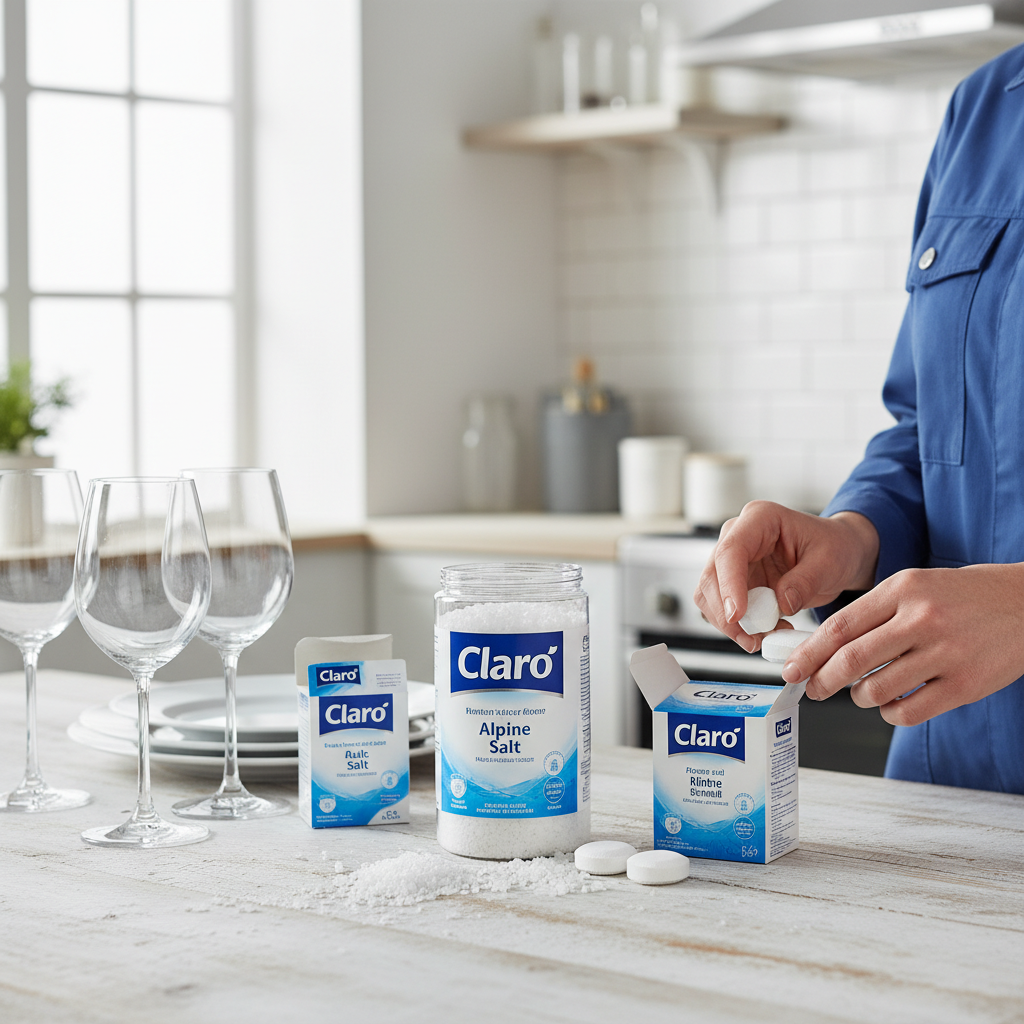
Navigating the world of dishwasher tablets can be surprisingly complex, especially when considering the crucial role your home’s water quality plays. As an expert with over a decade in dishwasher technology and detergent formulations, I’ve seen firsthand how the mineral content in your water – whether hard or soft – can drastically impact cleaning results and appliance longevity. This guide aims to demystify the science behind water hardness and help you select the ideal dishwasher tablets for a consistently sparkling clean, tailored to your specific needs and budget.
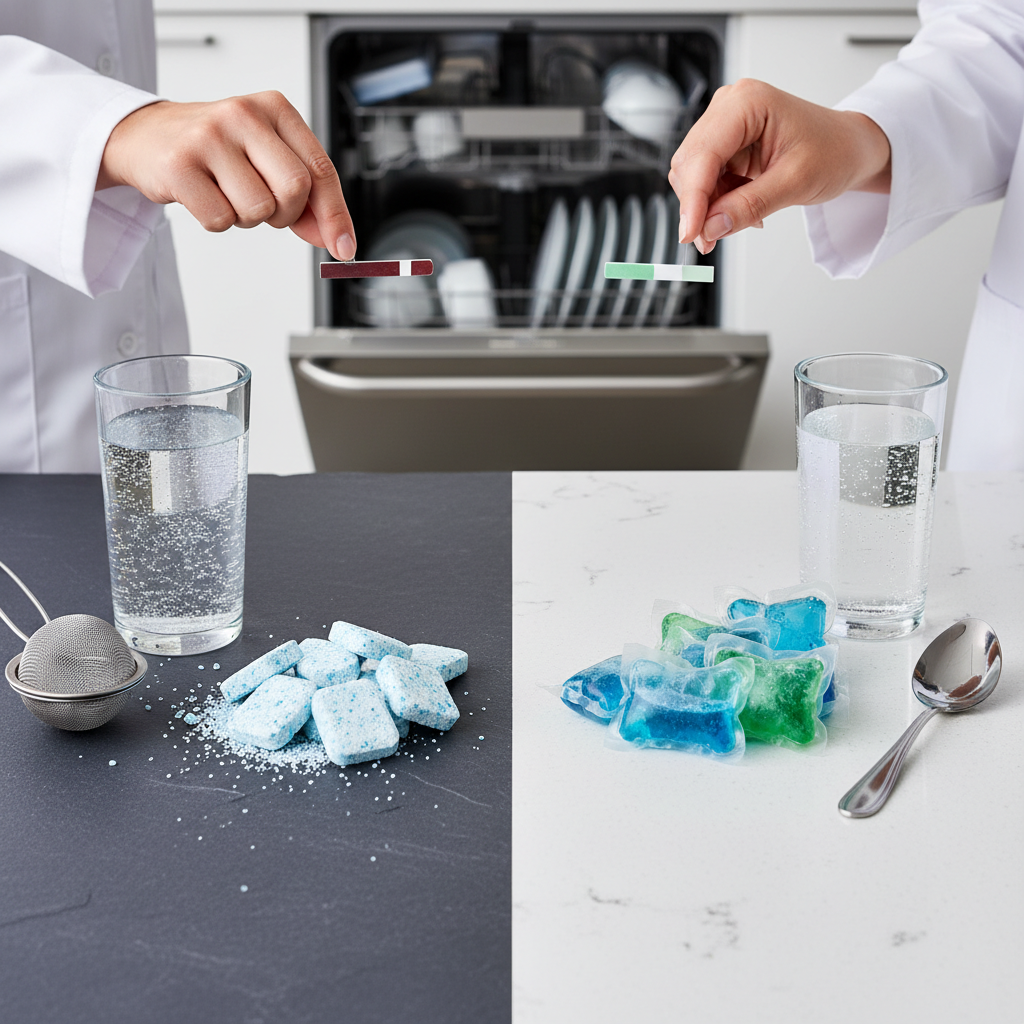
What are Dishwasher Tablets?
|
Our Picks for the Best Dishwasher tablets in 2026
As an Amazon Associate I earn from qualifying purchases.
|
||
| Num | Product | Action |
|---|---|---|
| 1 | BLUELAND 100% Plastic-Free Dishwasher Detergent Tablets, 120 Count, Free & Clear, Eco-Friendly Dishwashing Pods, Natural, USDA Certified biobased |

|
| 2 | Cascade Complete Dishwasher Detergent Pods Fresh Scent Value Pack, Powerful Dishwasher Pods for Sparkling Clean Dishes, Grease-Fighting Dishwashing Detergent Tablets, 100 Count |
|
| 3 | Cascade Platinum Plus Dishwasher Pods, Dish Detergent Soap, Clean Scent, 62 Count |
|
| 4 | Finish Quantum Dishwasher Pods, No Pre-Rinse Dishwasher Detergent Soap Removes 24HR Dried-On Stain and Grease, Leaving a Virtually Spotless Shine, 100 Count |
|
| 5 | Cascade Complete Dishwasher Pods - Fresh Scent ActionPacs, Dishwasher Detergent, Dishwasher Soap, Detergent Pods, 78 Count |
|
| 6 | Finish - All in 1 - Dishwasher Detergent - Powerball - Dishwashing Tablets - Dish Tabs - Fresh Scent, 94 Count (Pack of 1) - Packaging May Vary |
|
| 7 | Finish Quantum Dishwasher Pods, No Pre-Rinse Dishwasher Detergent Soap Removes 24HR Dried-On Stain and Grease, Leaving a Virtually Spotless Shine, 82 Count |
|
| 8 | Finish Classic Dishwasher Pods, No Pre-Rinse Dishwasher Detergent Soap For Clean & Shine everyday with grease fighting Power, 84 count |
|
| 9 | BLUELAND 100% Plastic-Free Dishwasher Detergent Tablets, Starter Set, 60 Count with tin, Free & Clear, Eco-Friendly Dishwashing Pods, Natural, USDA Certified biobased |
|
| 10 | BLUELAND 100% Plastic-Free Dishwasher Detergent Tablets, 60 Count, Free & Clear, Eco-Friendly Dishwashing Pods, Natural, USDA Certified biobased |
|
Dishwasher tablets are pre-portioned, compact detergents designed to simplify the dishwashing process. Unlike traditional powders or gels, these all-in-one solutions typically combine multiple cleaning agents into a single, convenient unit. Their primary function is to break down food residue, cut through grease, and remove stains, leaving dishes spotless and hygienic.
At their core, dishwasher tablets contain a blend of key ingredients. Enzymes, such as amylases and proteases, target and break down stubborn food particles. Surfactants (detergents) lower water’s surface tension, allowing it to penetrate and lift grease. Bleaching agents, like oxygen-based bleaches, tackle tough stains, while certain tablets also include rinse aid to prevent spotting and water softening agents (chelating agents) to combat mineral buildup. The evolution of dishwasher tablets has moved towards these multi-functional formulations, aiming to provide a complete cleaning and protective solution in one go.
Why Use Dishwasher Tablets?
The appeal of dishwasher tablets lies in their unparalleled convenience and enhanced performance compared to their powdered or gel counterparts. Each tablet is precisely dosed, eliminating the guesswork and mess associated with measuring bulk detergents. This consistency helps ensure optimal cleaning with every cycle, preventing both under-dosing (which leads to dirty dishes) and over-dosing (which can cause excessive sudsing or residue).
Beyond ease of use, modern dishwasher tablets offer superior cleaning power, efficiently tackling even baked-on food and tough grease. Many formulations include integrated rinse aid for a streak-free shine and built-in salt or water softeners that protect your dishwasher from limescale and corrosion. By preventing mineral buildup, these tablets help maintain your appliance’s efficiency and extend its lifespan, ultimately saving you money on repairs and energy consumption. The sheer variety available also means there’s a tablet designed for almost every specific need, from eco-friendly options to those optimized for tough stains or delicate glassware.
Understanding Your Water: Hard vs. Soft Water
The fundamental difference between hard and soft water lies in its mineral content, primarily the concentration of dissolved calcium and magnesium. These minerals are naturally picked up by water as it flows through geological formations like limestone and gypsum.
Hard water contains elevated levels of these minerals. Common signs of hard water in your home include spotty or cloudy dishes, soap scum buildup on fixtures and shower doors, and reduced lathering from soaps and detergents. Over time, hard water can lead to limescale accumulation inside pipes and appliances, diminishing their efficiency and lifespan. Water hardness is typically measured in grains per gallon (GPG) or parts per million (ppm) / milligrams per liter (mg/L). Water with more than 60 ppm (or 3.5 GPG) is generally considered hard, with levels above 180 mg/L (or 10.5 GPG) classified as very hard.
Soft water, conversely, has a significantly lower mineral content. It can occur naturally in some regions or, more commonly, is created through a water softener system. These systems use an ion exchange process to replace hard minerals like calcium and magnesium with sodium or potassium ions. Soft water offers several benefits, including better lathering of soaps, improved cleaning capabilities, and the prevention of mineral buildup, which helps extend the life of your appliances and reduce detergent usage.
To determine your home’s water hardness, you can use a simple at-home test kit, consult your local water utility’s annual report, or have a professional test performed. Knowing your water type is the first critical step in choosing the right dishwasher tablets.
The Impact of Water Hardness on Dishwasher Performance
The mineral composition of your water directly influences how effectively your dishwasher and detergents perform. Understanding this interaction is key to achieving optimal cleanliness and protecting your appliance.
Hard Water Challenges: In areas with hard water, the high concentration of calcium and magnesium minerals actively interferes with the cleaning process. These minerals react with the cleaning agents in your dishwasher tablet, reducing their effectiveness and preventing them from properly dissolving and lathering. This often results in dishes emerging from the dishwasher with visible spots, streaks, or a cloudy film. Moreover, the minerals themselves can precipitate and form limescale, creating unsightly white deposits on your dishes, glassware, and the interior of your dishwasher. This scale buildup not only makes your dishes look dirty but also impairs the efficiency of heating elements, spray arms, and pumps, leading to higher energy consumption and a shortened appliance lifespan.
Soft Water Advantages: Conversely, soft water, with its low mineral content, is far more conducive to effective dishwashing. Without the interfering minerals, dishwasher detergents can fully activate and perform their cleaning functions unimpeded. This leads to superior cleaning results, with dishes emerging sparkling clean and free from spots or film. Soft water also prevents limescale accumulation, protecting your dishwasher’s internal components from damage and ensuring it operates at peak efficiency. As a bonus, you’ll often find that you can use significantly less detergent – sometimes up to 50% less – to achieve the same or better cleaning outcomes, offering both environmental and cost benefits.
Dishwasher Tablet Needs for Hard Water
When faced with hard water, generic dishwasher tablets often fall short, leading to frustratingly cloudy dishes, water spots, and a dull film. This is because the calcium and magnesium ions in hard water react with the cleaning agents, diminishing their power and preventing a thorough clean. To combat these issues, specific formulations and additional measures are necessary.
For hard water environments, look for dishwasher tablets explicitly designed to tackle mineral buildup. Key ingredients to prioritize include powerful cleaning agents that can cut through grease and grime even in challenging conditions, and more importantly, robust water softening agents. These “chelating agents” (such as sodium citrate or polycarboxylates, which have largely replaced phosphates in many formulations) bind with the hard water minerals, preventing them from interfering with the detergent and depositing on your dishes or inside the machine. Many tablets formulated for hard water also contain a higher concentration of rinse aid to help water sheet off dishes, minimizing spots.
Leading brands often offer “all-in-one” tablets that include built-in salt and rinse aid, specifically targeting hard water issues. While these are a good starting point, for very hard water, you might still need to supplement with dedicated dishwasher salt in your machine’s salt reservoir and a separate rinse aid dispenser to achieve optimal results and protect your appliance. Always follow the manufacturer’s recommendations for dosage, but in some cases, a slightly higher dose or a more potent tablet might be beneficial.
Dishwasher Tablet Needs for Soft Water
If your home is supplied with soft water, you’re in an advantageous position for dishwashing, but it also comes with its own considerations for dishwasher tablet usage. Because soft water lacks the mineral content that interferes with detergents, less product is often more effective, and using tablets designed for hard water can lead to unintended consequences.
In soft water, standard dishwasher tablets, particularly those formulated with strong water softening agents for hard water, can sometimes lead to excessive sudsing. This over-foaming can hinder the dishwasher’s spray arms, prevent proper rinsing, and even leave a residue on your dishes. Another potential issue is “etching,” a permanent cloudiness on glassware, which can be exacerbated by overly aggressive detergents or high temperatures in soft water conditions.
For soft water, the focus should be on gentler, yet still effective, cleaning formulas. Many eco-friendly tablets, which often contain fewer harsh chemicals and lower concentrations of chelating agents, perform exceptionally well in soft water. You might also find that using a standard “all-in-one” tablet but opting for a smaller dosage (if the tablet is divisible, or choosing a brand with smaller tablets) is sufficient. The key is to avoid overpowering the soft water with unnecessary cleaning power or water softeners. Your dishes will still get thoroughly clean, but with less product, you minimize the risk of residue, etching, and excessive suds. Always ensure your dishwasher’s rinse aid dispenser is properly filled, as this can still contribute to streak-free drying, even in soft water.
Top Dishwasher Tablet Brands: A Comparative Look
Choosing from the plethora of dishwasher tablet brands can be daunting. While individual results vary based on water hardness and machine efficiency, some brands consistently rank high for performance. Here’s a general overview of popular options and what they typically offer in relation to water types:
| Brand | Hard Water Performance Focus | Soft Water Compatibility | Key Features for Water Type | User Ratings (general) |
|---|---|---|---|---|
| Finish Quantum/Ultimate | High | Good (adjust dosage) | All-in-one with power gel, active oxygen, glass protection, descaling agents. Excellent for tackling tough stains and hard water spots. | High |
| Cascade Platinum | High | Good (adjust dosage) | Strong enzymes, power-boosting formula, grease-cutting action, built-in rinse aid for shine. Known for fighting stuck-on food and hard water film. | High |
| Somat Gold/Excellence | High | Good (adjust dosage) | Often features built-in salt and rinse aid, offering limescale protection and a deep clean. Designed for effective performance in varying water conditions. | Good |
| Fairy Platinum Plus | High | Good (adjust dosage) | Combines liquid and powder for powerful cleaning, shine, and fast dissolution. Effective against tough grease and hard water residues. | High |
| Seventh Generation | Medium-Low | High | Plant-based, free of harsh chemicals, fragrance-free. Excellent for soft water, may need supplementing (salt/rinse aid) for harder water. | Good (eco-conscious) |
Note: The “User Ratings (general)” are indicative based on widespread consumer feedback and may not reflect specific performance in all water conditions.
Brands like Finish, Cascade, and Fairy generally formulate their premium tablets with powerful ingredients designed to combat the challenges of hard water, often including water softeners and generous amounts of rinse aid. These are typically excellent choices for homes with moderate to very hard water. For soft water, while these tablets can still be used, reducing the dosage or opting for slightly less aggressive “all-in-one” formulations from these brands might be beneficial to prevent over-sudsing or etching. Eco-friendly brands like Seventh Generation tend to perform exceptionally well in soft water due to their gentler formulations but might require additional support (like separate rinse aid or salt) in hard water regions.
How to Choose the Perfect Dishwasher Tablet
Selecting the right dishwasher tablet is a tailored process that starts with understanding your specific environment and needs. Here’s a comprehensive guide to ensure you make an informed decision:
- Assess Your Water Hardness: This is the most critical step. As discussed, hard water demands more robust formulations, while soft water allows for gentler options. Use a home test kit, or check with your local water provider to determine your water’s mineral content.
- Examine Tablet Ingredients: For hard water, look for tablets that clearly state “all-in-one” or “ultimate clean” and specifically mention ingredients like water softeners (chelating agents), boosted enzymes, and built-in rinse aid. These components are vital for neutralizing minerals and preventing spots and film. For soft water, you might prioritize tablets with simpler, more eco-friendly formulations, or those that allow for adjustable dosing.
- Consider Eco-Friendly Options: If environmental impact is a concern, many brands now offer phosphate-free, biodegradable, or plant-based tablets. These are often excellent choices for soft water. For hard water, ensure that their mineral-combating capabilities are still adequate, potentially supplementing with dishwasher salt.
- Read User Reviews: While individual experiences vary, user reviews can provide valuable insights into a tablet’s performance in different water conditions. Look for feedback from users who share similar water hardness levels or dishwasher models.
- Trial and Error: Sometimes, the best approach is to experiment with a few different brands or types of tablets. Purchase smaller packs to test how effectively they clean your dishes and whether they leave any residue or spots.
“The secret to sparkling dishes isn’t just a good dishwasher; it’s understanding the chemistry of your water and matching it with the right detergent.” – Admin, reviewvob.com Dishwasher Expert
Where to Buy Dishwasher Tablets
Dishwasher tablets are widely available, making them easy to purchase regardless of your preferred shopping method.
- Supermarkets and Grocery Stores: Most major supermarkets carry a broad selection of popular brands like Finish, Cascade, Somat, and Fairy. This is often the most convenient option for everyday purchases.
- Mass Retailers and Department Stores: Stores like Walmart, Target, or larger department stores often have a wider variety of brands, including some specialty or bulk options.
- Online Retailers: E-commerce platforms such as Amazon, Lazada, Shopee, and Tiki offer an extensive range of dishwasher tablets, including niche brands, bulk packages, and eco-friendly choices that might not be available locally. Online shopping also provides the convenience of home delivery and easy comparison of prices and customer reviews.
- Specialty Appliance Stores or Manufacturers’ Websites: While less common for routine purchases, these outlets might offer tablets specifically designed for certain dishwasher brands or unique cleaning needs.
When buying, consider purchasing smaller packs first to test their effectiveness with your specific water hardness before committing to a larger, more economical bulk purchase.
Smart Usage Tips for Dishwasher Tablets
Even the best dishwasher tablet can underperform if not used correctly. Following these smart usage tips will help ensure you get the most out of your chosen detergent and maintain your dishwasher’s efficiency:
- Correct Placement: Always place the dishwasher tablet in the designated dispenser compartment. Do not simply toss it into the bottom of the dishwasher or the cutlery basket, as this can lead to improper dissolution and poor cleaning results. The dispenser is designed to release the tablet at the optimal time during the wash cycle.
- Avoid Overuse: One tablet per wash cycle is typically sufficient. Using multiple tablets, especially in soft water conditions, can lead to excessive sudsing, residue on dishes, and even etching of glassware. Stick to the recommended dosage.
- Regular Machine Cleaning: Even with “all-in-one” tablets, it’s crucial to clean your dishwasher regularly. Mineral buildup can still occur, particularly in hard water areas, and food debris can accumulate. Run an empty hot cycle with a dishwasher cleaner or a cup of white vinegar monthly to descale and sanitize your appliance.
- Proper Storage: Store dishwasher tablets in a cool, dry place, away from humidity. Many tablets are designed to dissolve quickly, and exposure to moisture can cause them to clump together, lose effectiveness, or dissolve prematurely. Keep them in their original airtight packaging until ready to use.
- Pre-Rinsing (if needed): While modern tablets are designed to handle tough food, excessive scraps should still be scraped off dishes before loading to prevent drain clogs and ensure the tablet can focus on cleaning, not heavy debris removal.
Common Dishwasher Tablet Issues & Solutions
Even with the right tablets and careful usage, you might encounter occasional issues. Here are common problems and their practical solutions:
- Viên rửa bát không tan hết (Undissolved Tablets): This often indicates a problem with water temperature, spray arm blockage, or dispenser malfunction.
- Solution: Ensure your water heater is set to at least 120°F (49°C). Check that the dishwasher’s spray arms aren’t clogged with food particles and can rotate freely. Make sure the dispenser door isn’t blocked by tall dishes, allowing it to open fully. In very hard water, tablets can sometimes dissolve slowly; consider crushing the tablet lightly or using a pre-wash cycle.
- Bát đĩa không sạch sau khi rửa (Unclean Dishes): This can stem from improper loading, clogged filters, incorrect tablet dosage for your water hardness, or a worn-out spray arm.
- Solution: Load dishes correctly, ensuring water can reach all surfaces and spray arms aren’t obstructed. Regularly clean your dishwasher’s filter. If you have hard water, ensure you’re using a tablet formulated for it and consider adding dishwasher salt and rinse aid. If dishes are still dirty, inspect spray arms for cracks or blockages.
- Máy rửa bát có mùi khó chịu (Dishwasher Has an Odor): Odors are usually caused by accumulated food particles, grease, and sometimes mold or mildew.
- Solution: Regularly clean the dishwasher filter and interior seals. Run a hot cycle with a cup of white vinegar placed in a bowl on the top rack or use a specialized dishwasher cleaner. Allow the dishwasher door to air out slightly between cycles to prevent moisture buildup.
Conclusion
Choosing the optimal dishwasher tablet is not a one-size-fits-all decision; it’s a careful calibration based on your unique water type. Understanding the fundamental differences between hard and soft water empowers you to make smarter choices that transcend mere cleanliness, extending the life of your appliance and enhancing overall household efficiency. By recognizing whether your home has hard or soft water, you can specifically select tablets with the right blend of powerful cleaning agents, water softeners, or gentler formulations that prevent common issues like spots, film, or over-sudsing.
Embrace the power of informed choice and transform your dishwashing experience. What steps will you take today to match your dishwasher tablets to your home’s water type for truly sparkling results?
Frequently Asked Questions
Are all dishwasher tablets the same for hard and soft water?
No, not all dishwasher tablets are the same. Tablets designed for hard water often contain stronger chelating agents (water softeners) and higher concentrations of rinse aid to combat mineral buildup and prevent spots. Those suitable for soft water may have gentler formulations, as excessive water softeners can cause issues like over-sudsing or etching in low-mineral environments.
Can I use a regular tablet with a water softener?
Yes, you can use a regular dishwasher tablet if your home has a water softener system. In fact, with softened water, you might find that you can use less powerful tablets or even a smaller portion of a standard tablet, as the water softener in your system is already handling the mineral removal. Monitor for excessive sudsing or residue, and adjust accordingly.
How do I know if I have hard or soft water?
You can determine your water hardness using a few methods: purchase an at-home water test kit from a hardware store, check your local water utility’s annual water quality report, or observe common signs like soap scum on fixtures, spotty dishes, or how well soap lathers when you wash your hands.
What happens if I use a hard water tablet in soft water?
Using a tablet formulated for hard water in a soft water environment can lead to several problems. The excess water softening agents and cleaning power might cause excessive sudsing, which can impede your dishwasher’s cleaning action and leave residue. It can also contribute to glass etching, a permanent cloudiness on glassware, over time.
Do I still need rinse aid or salt with all-in-one tablets?
Most “all-in-one” dishwasher tablets claim to include built-in rinse aid and salt functions. For moderately hard or soft water, these integrated components are often sufficient. However, for very hard water, supplementing with dedicated dishwasher salt in your machine’s reservoir and a separate rinse aid can significantly improve results, prevent limescale, and enhance drying performance.