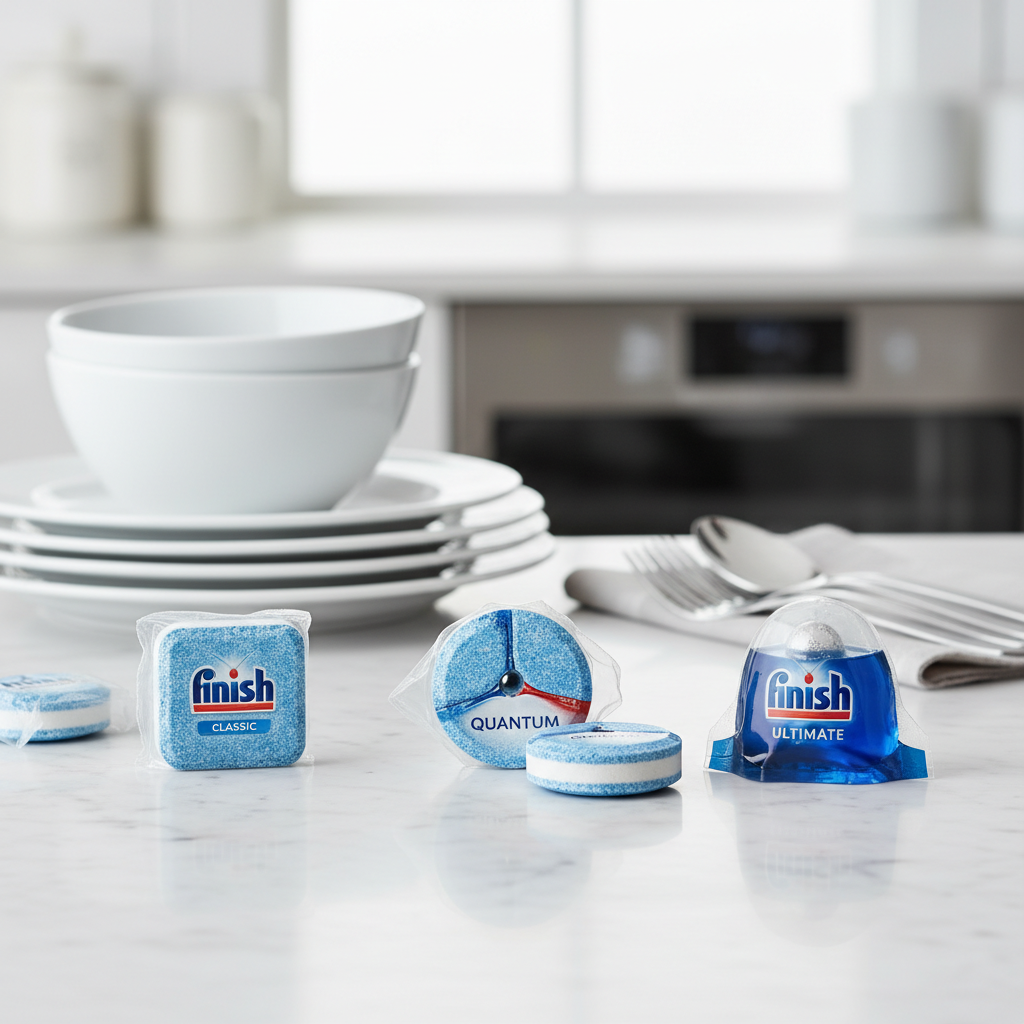
For new parents, the endless cycle of cleaning baby bottles, pacifiers, and dishes can feel overwhelming. Ensuring these items are not just visibly clean but also free from harmful chemical residues is a top priority. With a myriad of dishwasher detergents on the market, choosing the right one—especially a hypoallergenic option—is crucial for your baby’s delicate health and your peace of mind. As a technician with over a decade of experience specializing in dishwashers and detergents, I understand the complexities involved in finding products that are both effective and safe for your little one. This guide will walk you through everything you need to know to select the best hypoallergenic dishwasher tablets, ensuring your baby’s dishes are sparkling clean and genuinely safe.
Understanding Hypoallergenic Dishwasher Tablets
What exactly makes a dishwasher tablet “hypoallergenic,” particularly for baby items? A truly hypoallergenic dishwasher tablet is formulated to minimize the risk of allergic reactions and skin sensitivities in infants. This means it’s designed to be gentle, leaving no irritating residues on dishes that could transfer to your baby.
These specialized tablets typically focus on incorporating gentle yet powerful cleaning agents. Key ingredients to look for often include plant-based enzymes, which effectively break down stubborn milk proteins and food residues without the need for harsh chemicals. Gentle surfactants, derived from natural sources, help lift grease and grime, ensuring a thorough clean.
Conversely, it’s equally important to know which ingredients to actively avoid. Many conventional dishwasher detergents contain a cocktail of chemicals that can be problematic for babies. These include phosphates, known to irritate skin and mucous membranes, and chlorine bleach, which can leave potentially toxic residues. Artificial fragrances and synthetic dyes are common culprits for allergic reactions and should be steer clear of, as can optical brighteners, which are not food-safe. More concerning substances like Sodium Lauryl Sulfate (SLS) and 1,4-dioxane, often found as contaminants in certain surfactants, have been linked to skin irritation and other health concerns. Furthermore, parents should be aware of alcohol ethoxylates and parabens, which are best avoided for infant safety. Even the enzymes in some detergents can be too harsh, potentially degrading plastic bottles or silicone nipples over time. There’s also a growing concern about polyvinyl alcohol (PVA), often used in dissolvable pod casings, which may break down into microplastics and enter waterways or remain as residue on dishes.
The development of baby-specific detergents reflects a growing awareness of these sensitivities, moving towards safer, more transparent, and environmentally friendly formulas that protect both your child and the planet.
Why Choose Hypoallergenic Tablets for Baby Items?
The choice to use hypoallergenic dishwasher tablets for your baby’s items extends beyond simple cleanliness; it’s a critical decision for their health and well-being. Infants have underdeveloped immune systems and incredibly sensitive skin, making them more vulnerable to the effects of harsh chemicals.
One of the primary advantages of hypoallergenic detergents is the significantly reduced risk of irritation or allergic reactions. Conventional detergents can leave behind invisible residues that, when ingested or come into contact with a baby’s skin, can cause rashes, digestive upset, or other adverse health effects. Hypoallergenic formulas are specifically designed to rinse away cleanly, minimizing any such residue.
While convenience is a major draw for using a dishwasher, parents often grapple with balancing this convenience with the ultimate goal of safety. Hypoallergenic tablets bridge this gap, offering the efficiency of machine washing without compromising your peace of mind. Despite their gentle nature, these specialized detergents are highly effective at tackling common baby-related messes, from dried milk residue to pureed food stains. Their enzyme-powered formulas break down tough organic matter, ensuring comprehensive sanitization without aggressive chemicals.
Beyond direct safety for your baby, many hypoallergenic and baby-safe products are also formulated with environmental benefits in mind. They often utilize biodegradable ingredients and sustainable packaging, reducing their ecological footprint. This means you’re not only protecting your little one but also contributing to a healthier planet for their future.
Types of Hypoallergenic Dishwasher Tablets
The market offers several formats of dishwasher detergents, each with its own benefits and considerations, especially when it comes to hypoallergenic options for babies.
- Dishwasher Pods/Packs: These are pre-measured, single-use packets that offer unparalleled convenience. Simply drop one into the detergent dispenser, and you’re good to go. For busy parents, this can be a huge time-saver, eliminating messy pouring or measuring. Many leading hypoallergenic brands offer their formulas in pod form. However, a key concern with pods is the dissolvable casing, often made of polyvinyl alcohol (PVA). While manufacturers claim PVA is biodegradable, some studies and consumer concerns suggest it may contribute to microplastic pollution or leave residues. When choosing pods, look for brands that are transparent about their casing materials and provide evidence of complete dissolution and biodegradability.
- Dishwasher Powders: Historically, powders were the standard. They tend to be more cost-effective per load and often come in less elaborate, more recyclable packaging. For hypoallergenic options, powders allow users to control the exact amount used, which can be beneficial if you have soft water or smaller loads, preventing excessive detergent use. Some parents also prefer powders due to concerns about the plastic film of pods. However, powders can be messier to handle and may not dissolve as efficiently in very cold water cycles, potentially leaving a powdery residue if not used correctly.
- Solid Tablets/Sheets: Similar to pods in concept, solid tablets are often compressed powder or gel into a solid block, typically without a dissolvable plastic film. Newer innovations include detergent sheets, which are ultra-concentrated and dissolve completely. These options usually boast excellent eco-credentials, being plastic-free and highly concentrated. They combine some of the convenience of pods with the environmental benefits often associated with powders. Their main drawbacks might be a slightly higher price point or limited availability compared to more common formats.
When selecting a type, consider your priority: ultimate convenience (pods), cost-effectiveness and ingredient control (powders), or maximum environmental friendliness and minimal residue concerns (solid tablets/sheets).
Leading Hypoallergenic Dishwasher Tablet Brands for Babies
Choosing from the array of brands claiming “baby-safe” or “hypoallergenic” can be challenging. Based on extensive testing and review of ingredients, here’s a comparison of some of the leading brands favored by parents seeking safe options for their little ones. Many of these brands prioritize plant-based formulas, avoid harsh chemicals, and often seek third-party certifications.
| Brand | Key Features | Pros | Cons |
|---|---|---|---|
| Dapple Baby | Plant-based, fragrance-free, removes milk residue, pediatrician-recommended. | Specifically designed for baby items, effective on milk film, gentle. | Primarily focused on hand dish soap, limited dishwasher tablet options. |
| Molly’s Suds | Plant-derived, free of harsh chemicals, fragrance-free, residue-free. | Excellent for sensitive skin, strong cleaning power, works well in hard water. | Can be pricier, may not dissolve fully in very cold water. |
| Blueland | 100% plastic-free, fragrance-free options, concentrated tablets, EPA Safer Choice certified. | Eco-friendly (zero plastic packaging), powerful cleaning, safe ingredients. | Higher upfront cost, tablets can absorb moisture if not stored properly. |
| Seventh Generation | Free & Clear line, USDA Certified Biobased, no fragrances, dyes, or chlorine bleach. | Widely available, reliable cleaning, strong commitment to environmental safety. | May not be as effective on extremely tough, baked-on stains compared to conventional. |
| Dropps | Unscented UltraWash Pods, biobased, vegan, cruelty-free, no harsh chemicals. | Powerful deep clean, no pre-wash needed, eco-friendly, plastic-free packaging options. | Can be pricier, unscented formula might not appeal to all users. |
| AspenClean | Unscented pods, dye-free, zero plastic, EWG Verified™, vegan, plant-based. | High safety standards (EWG Verified), strong on grease, biodegradable. | Premium price point, less widely available in physical stores. |
| Puracy | Natural, plant-derived enzymes, free of harsh chemicals, streak-free. | Leaves no residue, effective on diverse dish types, gentle formula. | Mainly offers liquid detergent, their pods are newer to market. |
| Ecover | Plant-based, biodegradable, fragrance-free, phosphate-free. | Environmentally conscious, effective cleaning, good for general household use with baby items. | May require an extra rinse for complete residue removal in some machines. |
| Cascade Free & Clear | Dye-free, low-odor, phosphate-free, strong on grease and stuck-on food. | Mainstream brand convenience, effective cleaning power from Dawn, widely available. | While “Free & Clear,” still a mainstream chemical profile; always check specific ingredients for sensitivities. |
When making your choice, consider these brands as a starting point, delving into their specific ingredient lists to match your family’s particular needs and values.
How to Choose the Right Hypoallergenic Dishwasher Tablet
Selecting the ideal hypoallergenic dishwasher tablet for your baby’s items involves several considerations beyond just the brand name. It’s about aligning the product with your family’s unique needs and your machine’s capabilities.
- Assess Your Baby’s Sensitivity: If your baby has particularly sensitive skin, eczema, or known allergies, prioritize detergents that are unequivocally fragrance-free, dye-free, and minimal in potential irritants. Opt for formulas with the shortest, most transparent ingredient lists.
- Consider Your Water Type: Hard water can make any detergent less effective and may lead to mineral deposits or residues on dishes. If you have hard water, look for formulations designed to combat it, or consider using a non-toxic rinse aid like white vinegar in your machine’s rinse aid dispenser to prevent spots.
- Evaluate Your Dishwasher Model: Older dishwashers might not rinse as thoroughly as newer, more efficient models. If you suspect your machine leaves residue, choose a detergent known for its clean rinsing properties and consider running an extra rinse cycle.
- Examine Certifications and Labels: Look for credible third-party certifications like EWG Verified™, USDA Certified Biobased, Green Seal, or Ecocert. These certifications indicate that a product has met rigorous standards for health and environmental safety. Be aware that some certifications, like EPA Safer Choice, while valuable, may still permit certain ingredients (like SLS) that some parents prefer to avoid, so always cross-reference with the full ingredient list.
- Scrutinize Ingredient Lists: A product claiming to be “natural” or “eco-friendly” doesn’t automatically mean it’s hypoallergenic or baby-safe. Always read the ingredient list carefully, actively avoiding the harmful substances mentioned earlier (phosphates, chlorine bleach, artificial fragrances/dyes, optical brighteners, harsh enzymes, SLS, 1,4-dioxane, parabens, alcohol ethoxylates). Transparency from brands about their ingredients is a strong indicator of trustworthiness.
- Read User Reviews: While individual experiences vary, reviews from other parents—especially those with similar concerns about baby safety or sensitivities—can provide valuable real-world insights into a product’s effectiveness and gentleness.
By methodically evaluating these factors, you can make an informed decision that ensures your baby’s items are cleaned safely and effectively.
Where to Buy Hypoallergenic Dishwasher Tablets
Finding the right hypoallergenic dishwasher tablets for your baby’s needs is becoming increasingly accessible. Here are the primary avenues for purchasing these specialized cleaning products:
- Online Retailers: Websites like Amazon, Target, Walmart, and specialty eco-friendly online stores (such as Grove Collaborative or Thrive Market) offer a wide selection of hypoallergenic and baby-safe dishwasher detergents. Online shopping provides the convenience of browsing multiple brands, comparing ingredients, reading extensive user reviews, and often finding competitive pricing.
- Brand Websites: Many eco-conscious and baby-focused cleaning brands sell directly through their own websites (e.g., Blueland, Dropps, Molly’s Suds, AspenClean). Purchasing directly can sometimes offer access to exclusive bundles, subscription services, or the latest product formulations, while also providing detailed information about their ingredient sourcing and environmental commitments.
- Specialty Eco-Stores and Health Food Markets: Local health food stores, organic markets, and dedicated eco-friendly shops often stock a curated selection of non-toxic and hypoallergenic cleaning products. Shopping at these stores allows you to speak with knowledgeable staff, get personalized recommendations, and support local businesses.
- Major Supermarkets and Retail Chains: While the selection might be narrower, many large supermarkets and retail chains now carry “Free & Clear” versions of mainstream brands like Seventh Generation and Cascade. These options are typically free of fragrances and dyes, making them a more accessible hypoallergenic choice, though still requiring a check of the full ingredient list for other potential irritants.
No matter where you choose to shop, always double-check the product’s claims and ingredient list before making a purchase to ensure it aligns with your family’s specific safety requirements.
Tips for Effective & Safe Dishwashing of Baby Items
Even with the best hypoallergenic dishwasher tablets, proper dishwashing techniques are essential to ensure optimal cleanliness and safety for your baby’s items.
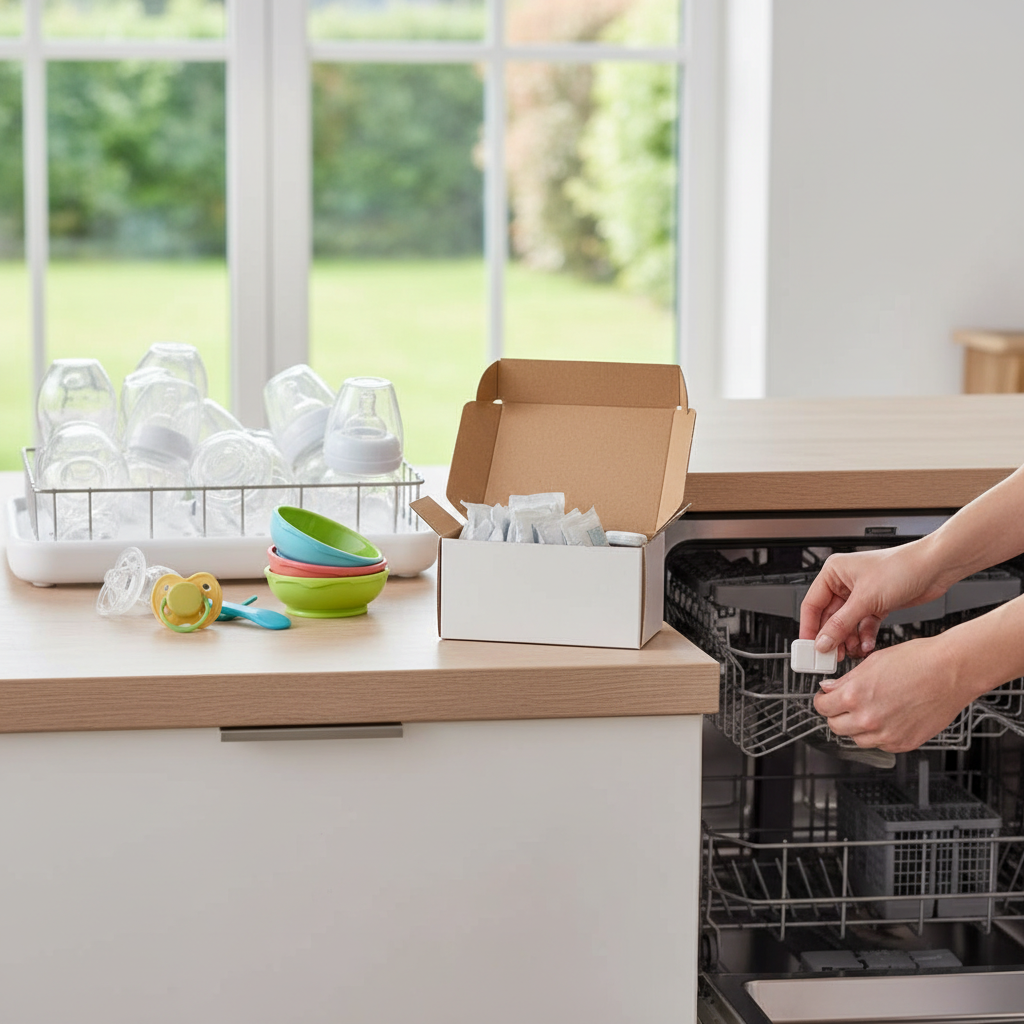
- Proper Loading: Always place baby bottles, nipples, pacifiers, and other small accessories on the top rack of your dishwasher. This position protects them from the intense heat of the heating element at the bottom, which can warp plastics and degrade silicone. Use a dedicated dishwasher basket for small items like nipples and pacifiers to prevent them from flipping over or falling to the bottom of the machine, ensuring they get thoroughly cleaned and rinsed.
- Pre-Rinsing is Key: Before loading, always pre-rinse bottles and other baby items under running water to remove stubborn milk film, formula residue, or solid food particles. This prevents these residues from baking onto the dishes during the wash cycle and helps the detergent work more effectively.
- Choose the Right Cycle: Opt for a “hot wash” or “sanitizing” cycle if your dishwasher has one. High temperatures are more effective at killing bacteria and ensuring a hygienic clean. If a sanitary cycle isn’t available, choose the hottest wash setting your machine offers.
- Avoid Overloading: An overloaded dishwasher prevents water and detergent from reaching all surfaces effectively, leading to poorly cleaned or rinsed items. Ensure there’s adequate space between items for proper water circulation.
- Air Dry Whenever Possible: After the wash cycle, allow baby items to air dry completely on a clean drying rack or by using the dishwasher’s heated dry setting. Avoid towel drying, as towels can reintroduce bacteria or lint.
- Machine Maintenance Matters: Regularly clean your dishwasher to prevent the buildup of food particles, detergent residue, or mold, which can contaminate your baby’s dishes. Run an empty cycle with white vinegar or a dishwasher cleaner monthly.
- Store Tablets Safely: Always store dishwasher tablets in their original packaging, in a cool, dry place, and completely out of reach of children. The concentrated nature of these products makes them dangerous if ingested.
By following these practical tips, you can maximize the effectiveness of your hypoallergenic dishwasher tablets and provide the cleanest, safest environment for your baby’s feeding essentials.
Common Issues and Troubleshooting
Even with the best intentions and products, you might encounter some common challenges when using dishwasher tablets for baby items. Here’s how to troubleshoot them:
- Dishwasher Tablets Not Dissolving Completely:
- Cause: This often happens if the tablet compartment is blocked by larger dishes, preventing water from reaching it, or if water temperature is too low. Using a short or eco-cycle can also sometimes be an issue for complete dissolution.
- Fix: Ensure no dishes obstruct the dispenser door. Use a longer cycle with hotter water. For certain detergents, try placing the tablet directly in the bottom of the dishwasher before starting the cycle, especially if your machine has an immediate pre-rinse that might wash away the detergent prematurely from the dispenser.
- Residue on Dishes (White Film or Grit):
- Cause: Hard water is a frequent culprit, leading to mineral deposits. Other reasons include using too much detergent (if using powder/liquid and measuring yourself), an overloaded dishwasher, or insufficient rinsing. Sometimes, the detergents themselves can leave a film.
- Fix: If you have hard water, consider adding a dishwasher salt (if your machine has a dedicated compartment) or using a rinse aid. For a natural alternative, a cup of white vinegar placed in the top rack during the rinse cycle can help. Ensure your dishwasher isn’t overloaded and that water jets aren’t blocked. Try using slightly less detergent if you’re not using pre-measured tablets, or a different brand known for being residue-free.
- Unpleasant Taste or Smell on Baby Bottles:
- Cause: This usually points to residual detergent or scent, or a dirty dishwasher. Silicone nipples are particularly prone to absorbing odors.
- Fix: Switch to a truly fragrance-free and dye-free hypoallergenic tablet. Ensure you’re pre-rinsing items thoroughly. Run an empty dishwasher cycle with white vinegar to eliminate odors and detergent buildup inside the machine. If using pods, ensure they dissolve completely and the items receive ample rinse water. For particularly stubborn smells in silicone, a baking soda soak can sometimes help.
- Bags and Dishes Not Clean After Wash:
- Cause: Could be due to incorrect loading, not pre-rinsing heavily soiled items, insufficient water temperature, or a clogged spray arm.
- Fix: Refer to the “Tips for Effective & Safe Dishwashing” section regarding proper loading and pre-rinsing. Ensure your water heater is set to an appropriate temperature (at least 120°F/49°C). Check and clean the dishwasher’s filter and spray arms for any blockages.
Addressing these common issues will help ensure your baby’s items are consistently clean, safe, and free from unwanted residues or odors.
Conclusion
Choosing the best hypoallergenic dishwasher tablets for your baby is a thoughtful decision that significantly contributes to their health and your peace of mind. As a technician deeply familiar with dishwasher performance and detergent formulations, I’ve seen firsthand how the right product can make all the difference. The key lies in understanding what makes a detergent truly “baby-safe”—prioritizing formulas free from harsh chemicals like phosphates, chlorine bleach, artificial fragrances, and dyes, and instead opting for plant-based, enzyme-powered, and often third-party certified options. Brands like Dapple Baby, Molly’s Suds, Blueland, Seventh Generation, and Dropps consistently offer reliable choices that meet these rigorous standards.
Beyond the product itself, adopting best practices in your dishwashing routine, such as proper loading, pre-rinsing, using hot cycles, and regular machine maintenance, ensures that your baby’s bottles and dishes are not only visibly clean but hygienically safe. By making an informed choice, you can streamline your cleaning process and spend more quality moments with your little one, free from worries about chemical residues.
What steps will you take today to ensure your baby’s dishware is as safe as possible?
Frequently Asked Questions
Are all “free & clear” detergents truly baby-safe?
|
Our Picks for the Best Dishwasher tablets in 2026
As an Amazon Associate I earn from qualifying purchases.
|
||
| Num | Product | Action |
|---|---|---|
| 1 | BLUELAND 100% Plastic-Free Dishwasher Detergent Tablets, Starter Set, 60 Count with tin, Free & Clear, Eco-Friendly Dishwashing Pods, Natural, USDA Certified biobased |

|
| 2 | BLUELAND 100% Plastic-Free Dishwasher Detergent Tablets, 120 Count, Free & Clear, Eco-Friendly Dishwashing Pods, Natural, USDA Certified biobased |
|
| 3 | Finish Quantum Dishwasher Pods, No Pre-Rinse Dishwasher Detergent Soap Removes 24HR Dried-On Stain and Grease, Leaving a Virtually Spotless Shine, 100 Count |
|
| 4 | Cascade Platinum Plus Dishwasher Pods, Dish Detergent Soap, Clean Scent, 62 Count |
|
| 5 | Finish - All in 1 - Dishwasher Detergent - Powerball - Dishwashing Tablets - Dish Tabs - Fresh Scent, 94 Count (Pack of 1) - Packaging May Vary |
|
| 6 | Finish Classic Dishwasher Pods, No Pre-Rinse Dishwasher Detergent Soap For Clean & Shine everyday with grease fighting Power, 84 count |
|
| 7 | Cascade Complete Dishwasher Detergent Pods Fresh Scent Value Pack, Powerful Dishwasher Pods for Sparkling Clean Dishes, Grease-Fighting Dishwashing Detergent Tablets, 100 Count |
|
| 8 | Finish Quantum Dishwasher Pods, No Pre-Rinse Dishwasher Detergent Soap Removes 24HR Dried-On Stain and Grease, Leaving a Virtually Spotless Shine, 82 Count |
|
| 9 | Cascade Complete Dishwasher Pods - Fresh Scent ActionPacs, Dishwasher Detergent, Dishwasher Soap, Detergent Pods, 78 Count |
|
| 10 | BLUELAND 100% Plastic-Free Dishwasher Detergent Tablets, 60 Count, Free & Clear, Eco-Friendly Dishwashing Pods, Natural, USDA Certified biobased |
|
While “free & clear” detergents typically exclude fragrances and dyes, which are common irritants, they may still contain other chemicals like phosphates, harsh enzymes, or certain surfactants that some parents prefer to avoid for babies. Always review the full ingredient list and look for third-party certifications like EWG Verified or USDA Certified Biobased for the highest level of assurance.
Can I use a regular dishwasher tablet for baby bottles if I rinse them well?
It is strongly recommended to use detergents specifically labeled as hypoallergenic or baby-safe. Regular dishwasher tablets often contain harsh chemicals, strong fragrances, and dyes that can leave residues even after rinsing, potentially irritating your baby or leading to allergic reactions. The risk of even trace amounts of these chemicals is not worth taking with a baby’s delicate system.
How often should I clean my dishwasher when using it for baby items?
To maintain optimal hygiene when washing baby items, it’s advisable to clean your dishwasher at least once a month. Run an empty hot water cycle with a dishwasher cleaner, white vinegar, or baking soda to remove any detergent buildup, hard water deposits, and prevent the growth of mold or bacteria that could contaminate your baby’s dishes.
What is PVA, and should I avoid it in dishwasher pods?
PVA (polyvinyl alcohol) is a water-soluble plastic used in the film of many dishwasher pods. While manufacturers state it dissolves and biodegrades, some environmental concerns exist regarding its breakdown into microplastics and potential residues. If you’re concerned about PVA, consider powder detergents or solid, plastic-free tablets and sheets that do not use PVA films.