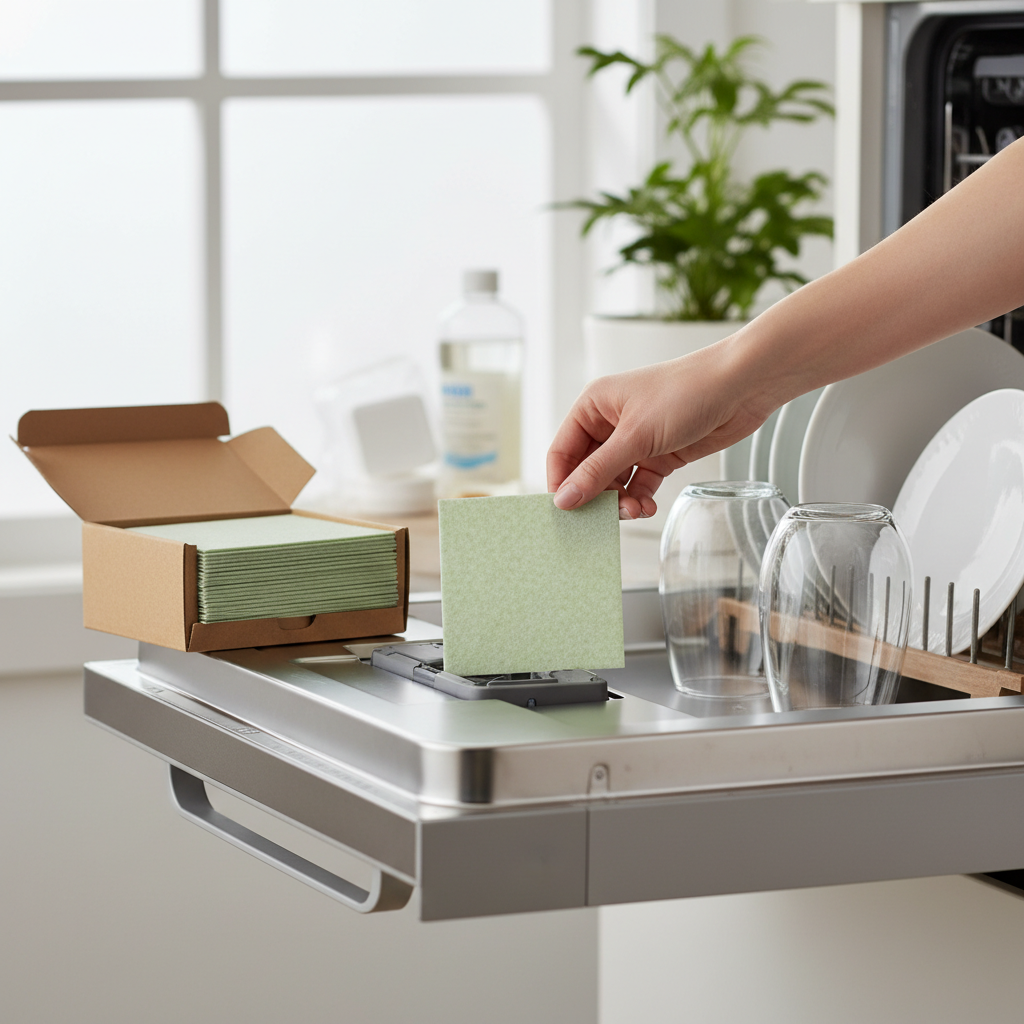
Has your dishwasher been leaving behind gritty residue on your supposedly clean dishes, or perhaps emanating an unpleasant odor that wafts through your kitchen? More often than not, the culprit isn’t a broken appliance, but rather a simple, yet overlooked component: the dishwasher filter. This unsung hero plays a pivotal role in your dishwasher’s performance, trapping food particles and preventing them from recirculating onto your dishes. Learning how to clean your dishwasher filter effectively is not just about aesthetics; it’s about ensuring better water flow, extending your appliance’s lifespan, and achieving the sparkling clean results you expect every time.
What Exactly is a Dishwasher Filter?
|
Our Picks for the Best Dishwasher tablets in 2026
As an Amazon Associate I earn from qualifying purchases.
|
||
| Num | Product | Action |
|---|---|---|
| 1 | Cascade Complete Dishwasher Detergent Pods Fresh Scent Value Pack, Powerful Dishwasher Pods for Sparkling Clean Dishes, Grease-Fighting Dishwashing Detergent Tablets, 100 Count |

|
| 2 | BLUELAND 100% Plastic-Free Dishwasher Detergent Tablets, Starter Set, 60 Count with tin, Free & Clear, Eco-Friendly Dishwashing Pods, Natural, USDA Certified biobased |
|
| 3 | Cascade Complete Dishwasher Pods - Fresh Scent ActionPacs, Dishwasher Detergent, Dishwasher Soap, Detergent Pods, 78 Count |
|
| 4 | Cascade Platinum Plus Dishwasher Pods, Dish Detergent Soap, Clean Scent, 62 Count |
|
| 5 | BLUELAND 100% Plastic-Free Dishwasher Detergent Tablets, 60 Count, Free & Clear, Eco-Friendly Dishwashing Pods, Natural, USDA Certified biobased |
|
| 6 | Finish - All in 1 - Dishwasher Detergent - Powerball - Dishwashing Tablets - Dish Tabs - Fresh Scent, 94 Count (Pack of 1) - Packaging May Vary |
|
| 7 | BLUELAND 100% Plastic-Free Dishwasher Detergent Tablets, 120 Count, Free & Clear, Eco-Friendly Dishwashing Pods, Natural, USDA Certified biobased |
|
| 8 | Finish Classic Dishwasher Pods, No Pre-Rinse Dishwasher Detergent Soap For Clean & Shine everyday with grease fighting Power, 84 count |
|
| 9 | Finish Quantum Dishwasher Pods, No Pre-Rinse Dishwasher Detergent Soap Removes 24HR Dried-On Stain and Grease, Leaving a Virtually Spotless Shine, 100 Count |
|
| 10 | Finish Quantum Dishwasher Pods, No Pre-Rinse Dishwasher Detergent Soap Removes 24HR Dried-On Stain and Grease, Leaving a Virtually Spotless Shine, 82 Count |
|
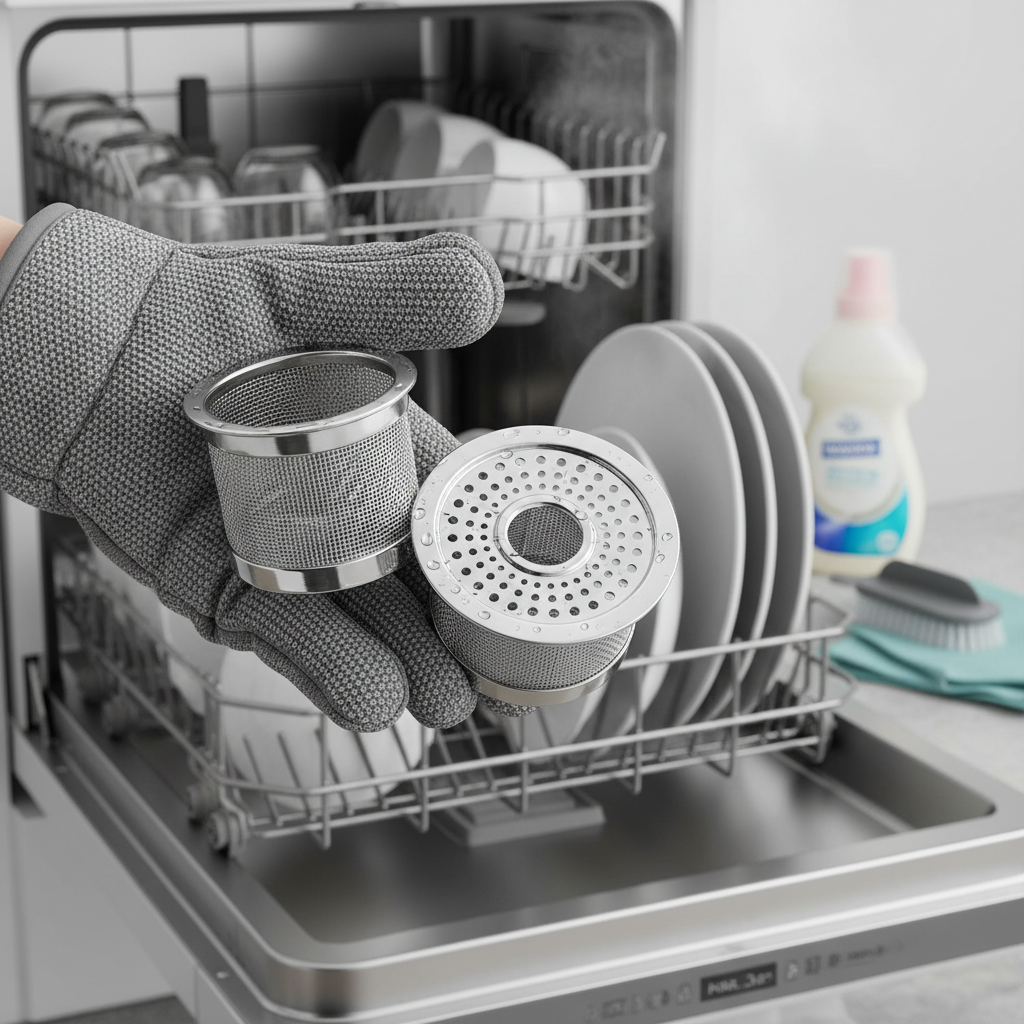
At its core, a dishwasher filter is a protective screen located at the bottom of your dishwasher tub. Its primary function is to catch food debris, grease, and other residues dislodged during the wash cycle. This prevents larger particles from clogging the drain pump or redepositing onto your dishes, which would otherwise leave them gritty and unclean.
There are generally two types of dishwasher filters: manual and self-cleaning. Manual filters, common in many modern dishwashers, consist of a mesh screen and often a cylindrical component that requires regular removal and cleaning by hand. Self-cleaning filters, on the other hand, typically feature a built-in grinder that pulverizes food particles into smaller pieces, allowing them to wash away with the drain water. While self-cleaning filters demand less frequent attention, they are often noisier. For manual filters, routine cleaning is essential to maintain optimal performance and hygiene.
Why Cleaning Your Dishwasher Filter is Crucial for Better Flow
Neglecting your dishwasher filter can lead to a cascade of problems that diminish your appliance’s efficiency and the cleanliness of your dishes. The filter’s design directly impacts water circulation; when it’s clogged with food debris and grease, water flow is impeded. This means detergent might not distribute effectively, and dishes won’t be exposed to the full cleaning power of the spray arms, resulting in visible food remnants or a milky film.
Regular filter maintenance is critical for several key reasons. Firstly, it significantly enhances cleaning performance by ensuring unrestricted water movement and proper drainage. Secondly, a clean filter is your best defense against unpleasant odors, as it prevents decaying food particles from accumulating and festering within the appliance. Thirdly, by trapping debris, the filter protects your dishwasher’s pump from potential damage, thereby extending the overall lifespan of your valuable appliance. Ultimately, a well-maintained filter means cleaner dishes, a fresher kitchen, and a more durable dishwasher.
Signs Your Dishwasher Filter Needs Cleaning
It’s easy to overlook the dishwasher filter, tucked away beneath the bottom rack. However, your appliance will often give you clear indications when its filter is crying out for attention. Recognizing these signs early can save you from bigger problems down the line, like a fully clogged dishwasher.
One of the most obvious indicators is visible food build-up in the filter itself – you might spot a slimy layer of grease or trapped food particles. Another common sign is water not draining properly, leaving a pool at the bottom of the tub after a cycle finishes. Unpleasant odors emanating from the dishwasher, even when empty, are a strong hint that food debris is decomposing in the filter. Perhaps the most frustrating sign is when dishes come out with visible food stains, grit, or a cloudy film, despite having completed a wash cycle. If you notice food particles stuck in the sprayer arms, it’s also a clear signal that the filter isn’t doing its job efficiently.
How Often Should You Clean Your Dishwasher Filter?
The frequency of cleaning your dishwasher filter largely depends on its type and how often you use your appliance. For most modern dishwashers equipped with a manual-clean filter, a monthly cleaning is generally recommended. If your dishwasher sees heavy daily use or you frequently wash dishes with a lot of heavy, sticky food residue, you might even consider cleaning it every two to three weeks.
Self-cleaning filters, while requiring less maintenance, still benefit from attention every two to three months to ensure optimal function and prevent any long-term build-up. Always consult your dishwasher’s owner’s manual for specific recommendations, as instructions can vary slightly by make and model. Regular checks and cleaning, as per manufacturer guidelines, are the best way to keep your dishwasher performing at its peak.
Step-by-Step Guide: Cleaning Your Dishwasher Filter
Cleaning your dishwasher filter is a straightforward task that requires minimal tools and only a few minutes of your time. By following these steps, you can restore your dishwasher’s efficiency and ensure your dishes emerge sparkling clean.
What You’ll Need:
- Mild dish soap (preferably with a degreaser)
- Warm water
- Soft-bristled brush (an old toothbrush works wonders) or a sponge
- Sink or large bowl
- Microfiber cloth (optional)
- Distilled white vinegar (for deep cleaning or hard water stains)
Step 1: Prepare Your Dishwasher
First, ensure your dishwasher is completely empty. Remove all dishes, cutlery, and the bottom dish rack to gain clear access to the bottom of the tub. This provides an unobstructed view and working space for accessing the filter.
Step 2: Locate and Remove the Filter
Most dishwasher filters are located at the bottom of the appliance, often beneath the lower spray arm. They typically look like a cylindrical tube, sometimes with a flat mesh screen underneath. To remove it, gently twist the cylindrical part counter-clockwise (usually a quarter turn) until it unlocks, then lift it out. If there’s a second flat filter underneath, carefully lift and remove that as well. Handle the filter parts carefully to avoid damage.
Step 3: Clean the Filter Components
Take the removed filter parts to your sink. Start by rinsing them thoroughly under warm running water to wash away any loose food particles and debris. For more stubborn grime, fill a sink or bowl with warm water and a few drops of mild dish soap. Place the filter(s) in the soapy water and allow them to soak for a few minutes to help loosen caked-on residue. Using your soft-bristled brush or sponge, gently scrub the mesh and plastic components to remove all remaining food, grease, and any calcium deposits. It’s crucial to avoid using abrasive materials like wire brushes or scouring pads, as these can damage the delicate mesh of the filter.
Step 4: Deep Cleaning (Optional)
If your filter is particularly stained, has significant hard water deposits, or hasn’t been cleaned in a while, a deep soak can be beneficial. After the initial scrub, you can soak the filter components in a mixture of equal parts warm water and distilled white vinegar for at least 30 minutes. The vinegar helps to break down mineral deposits and tough grease, leaving the filter exceptionally clean. After soaking, rinse thoroughly with warm water until all soap, vinegar, and debris are gone, and the filter no longer feels greasy.
Step 5: Clean the Filter Housing
While the filter components are out, take a moment to wipe down the area where the filter was seated at the bottom of the dishwasher tub. Dip a sponge or dishcloth in warm soapy water and clean away any food particles or grease that might have accumulated in the housing.
Step 6: Reinstall the Filter
Once the filter components are sparkling clean and rinsed, it’s time to reinstall them. If you removed a flat filter, place that back first, ensuring it lies flat and correctly under any locating tabs. Then, carefully insert the cylindrical filter, aligning it with the opening. Twist it clockwise until you feel it lock securely into place. It’s essential to ensure the filter is properly seated and locked; a loose filter can cause poor cleaning performance or even damage your dishwasher. Give it a gentle tug to confirm it’s secure before replacing the bottom dish rack.
Tips for Maintaining a Clean Dishwasher Filter
Keeping your dishwasher filter clean doesn’t have to be a chore. Incorporating a few simple habits into your routine can significantly reduce build-up and extend the time between deep cleanings.
One of the most effective tips is to scrape plates clean of large food scraps before loading them into the dishwasher. While modern dishwashers are designed to handle some food residue, excessive amounts will quickly clog your filter. There’s generally no need to pre-rinse excessively, as detergents work best when they have something to attach to, but removing solid food waste is key.
Additionally, consider running a dishwasher cleaning cycle regularly, perhaps once a month. You can do this by placing two cups of distilled white vinegar in an open, dishwasher-safe container on the top rack and running a hot water wash cycle. Alternatively, use a commercial dishwasher cleaner according to the product instructions. These cycles help to cut through grease and grime not just on the filter, but throughout the entire appliance. Finally, be mindful of what you put in your dishwasher; avoid items like paper labels, wooden spoons, or anything that can easily break off into small pieces and contribute to filter blockages.
Common Mistakes to Avoid When Cleaning Your Dishwasher Filter
While cleaning your dishwasher filter is a relatively straightforward process, certain missteps can hinder its effectiveness or even damage your appliance. Being aware of these common mistakes can help you ensure a proper and safe cleaning experience.
One of the most frequent errors is not cleaning the filter regularly enough. Many people forget about the filter until their dishes start coming out dirty or odors emerge, by which point the build-up is significant and harder to remove. Adhering to a consistent cleaning schedule, typically monthly for manual filters, is paramount.
Another critical mistake is using abrasive tools or harsh chemicals. Wire brushes, scouring pads, or aggressive chemical cleaners can scratch, tear, or corrode the delicate mesh and plastic components of the filter. This damage can compromise the filter’s ability to trap particles effectively, potentially leading to pump issues or food recirculation. Stick to soft brushes, sponges, mild dish soap, and vinegar for safe cleaning. Lastly, improperly reinstalling the filter is a common oversight. If the filter isn’t securely locked into place, it can vibrate during cycles, dislodge, and allow debris to bypass it, negating the entire cleaning effort. Always ensure it’s firmly twisted and seated before running your next wash cycle.
Conclusion
A clean dishwasher filter is the secret weapon for a truly efficient and odor-free dishwashing experience. By understanding its vital role in preventing clogs and ensuring optimal water flow, and by committing to a simple routine of monthly maintenance, you empower your appliance to deliver consistently sparkling results. Neglecting this small component can lead to frustratingly dirty dishes, unpleasant smells, and even premature wear on your machine. Embrace the ease of this essential task, and you’ll not only extend the life of your dishwasher but also reclaim the joy of effortlessly clean dishes. How often will you check your dishwasher filter from now on?
Frequently Asked Questions
Why do my dishes still have food particles after running the dishwasher?
If your dishes consistently come out with food particles or a gritty film, a dirty or clogged dishwasher filter is a highly likely cause. The filter’s job is to trap these particles; when it’s full, debris can recirculate onto your dishes instead of being washed away.
Can a dirty dishwasher filter cause bad smells?
Yes, absolutely. A build-up of food scraps, grease, and other debris in your dishwasher filter creates a breeding ground for bacteria and mold. As these organic materials decompose, they release foul odors that can linger in your dishwasher and even transfer to your clean dishes.
Is it safe to run my dishwasher without the filter?
No, it is not safe or advisable to run your dishwasher without the filter. The filter protects the dishwasher’s pump and drainage system from large food particles that could cause severe clogs and damage to the appliance. Always ensure the filter is properly installed and secured before starting a cycle.
What kind of soap should I use to clean my dishwasher filter?
You should use a mild dish soap, preferably one with degreasing properties, along with warm water. Avoid harsh chemical cleaners or abrasive soaps, as these can damage the filter material. For stubborn stains or hard water deposits, a solution of warm water and white vinegar is an effective and safe option.
How often should I replace my dishwasher filter?
Dishwasher filters are generally designed to last for the lifespan of the appliance, provided they are cleaned regularly and not damaged. You typically only need to replace a filter if it becomes physically torn, cracked, or otherwise compromised. Consult your owner’s manual for specific guidance on replacement if you suspect damage.