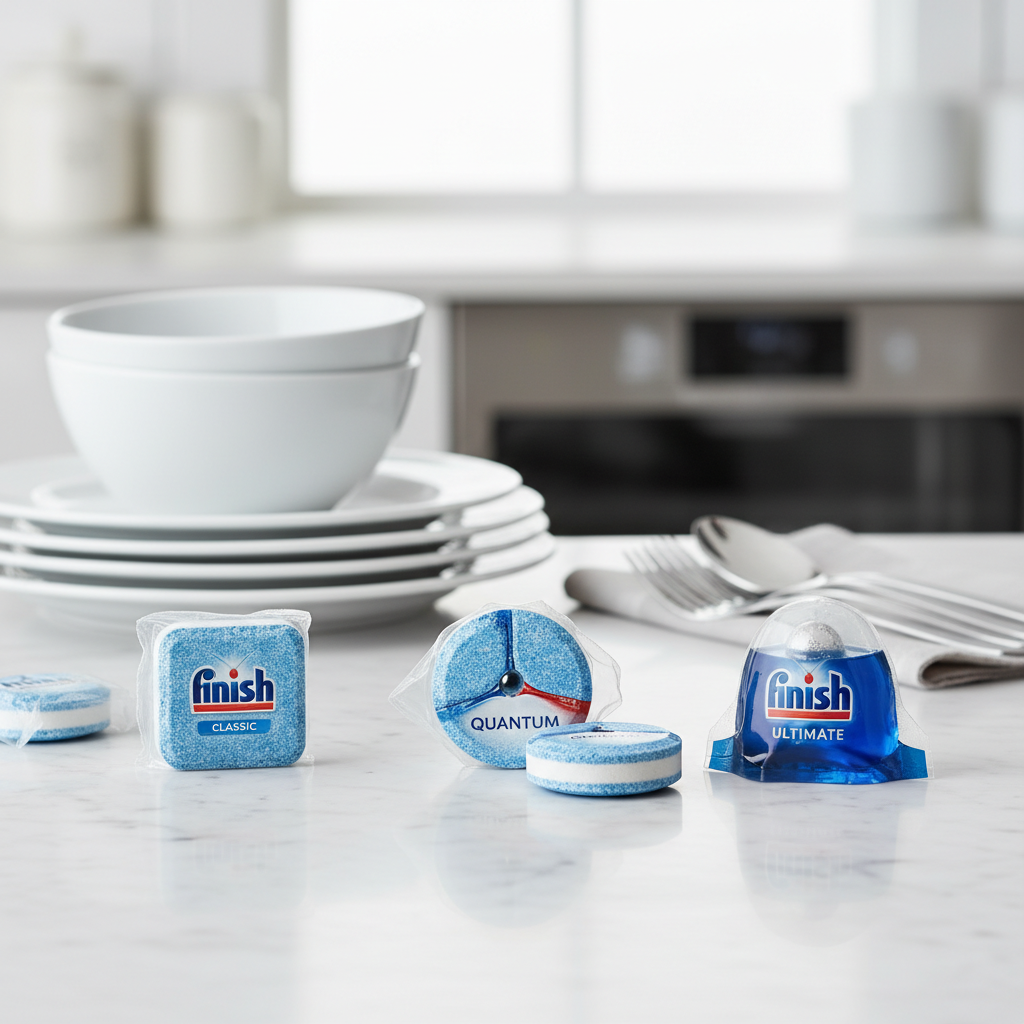
Are you frequently pulling dishes from your dishwasher only to find them still soiled, streaky, or coated in a mysterious film? You’re not alone. Dishwasher pods offer unparalleled convenience, combining detergent, rinse aid, and other cleaning agents into one compact package. However, despite their advanced formulations, many users inadvertently sabotage their cleaning power through common loading and usage errors. Understanding these pitfalls and adopting proper techniques can transform your dishwashing routine, ensuring every cycle delivers the sparkling clean results you expect.
What are Dishwasher Pods?
|
Our Picks for the Best Dishwasher tablets in 2026
As an Amazon Associate I earn from qualifying purchases.
|
||
| Num | Product | Action |
|---|---|---|
| 1 | Cascade Complete Dishwasher Pods - Fresh Scent ActionPacs, Dishwasher Detergent, Dishwasher Soap, Detergent Pods, 78 Count |

|
| 2 | BLUELAND 100% Plastic-Free Dishwasher Detergent Tablets, 60 Count, Free & Clear, Eco-Friendly Dishwashing Pods, Natural, USDA Certified biobased |
|
| 3 | BLUELAND 100% Plastic-Free Dishwasher Detergent Tablets, 120 Count, Free & Clear, Eco-Friendly Dishwashing Pods, Natural, USDA Certified biobased |
|
| 4 | Finish Classic Dishwasher Pods, No Pre-Rinse Dishwasher Detergent Soap For Clean & Shine everyday with grease fighting Power, 84 count |
|
| 5 | BLUELAND 100% Plastic-Free Dishwasher Detergent Tablets, Starter Set, 60 Count with tin, Free & Clear, Eco-Friendly Dishwashing Pods, Natural, USDA Certified biobased |
|
| 6 | Cascade Platinum Plus Dishwasher Pods, Dish Detergent Soap, Clean Scent, 62 Count |
|
| 7 | Finish Quantum Dishwasher Pods, No Pre-Rinse Dishwasher Detergent Soap Removes 24HR Dried-On Stain and Grease, Leaving a Virtually Spotless Shine, 82 Count |
|
| 8 | Cascade Complete Dishwasher Detergent Pods Fresh Scent Value Pack, Powerful Dishwasher Pods for Sparkling Clean Dishes, Grease-Fighting Dishwashing Detergent Tablets, 100 Count |
|
| 9 | Finish - All in 1 - Dishwasher Detergent - Powerball - Dishwashing Tablets - Dish Tabs - Fresh Scent, 94 Count (Pack of 1) - Packaging May Vary |
|
| 10 | Finish Quantum Dishwasher Pods, No Pre-Rinse Dishwasher Detergent Soap Removes 24HR Dried-On Stain and Grease, Leaving a Virtually Spotless Shine, 100 Count |
|
Dishwasher pods, also known as tablets or pacs, are pre-measured, single-use packets of concentrated dishwasher detergent. They typically feature a dissolvable casing that releases the cleaning agents at optimal times during the wash cycle. Their all-in-one design eliminates the need to measure liquid or powder detergent, making them a popular and mess-free choice for modern households.
Why Do Dishwasher Pod Mistakes Happen?
The effectiveness of dishwasher pods hinges on a delicate balance of water temperature, spray arm access, and proper detergent release. When these elements are disrupted, even the most powerful pods can fall short. Mistakes often stem from habits carried over from traditional dishwashing, a lack of awareness about how pods interact with modern dishwasher mechanics, or simply overlooking key operational guidelines.
Top 10 Common Mistakes When Using Dishwasher Pods
Achieving perfectly clean dishes with pods is simple, provided you avoid these prevalent errors:
-
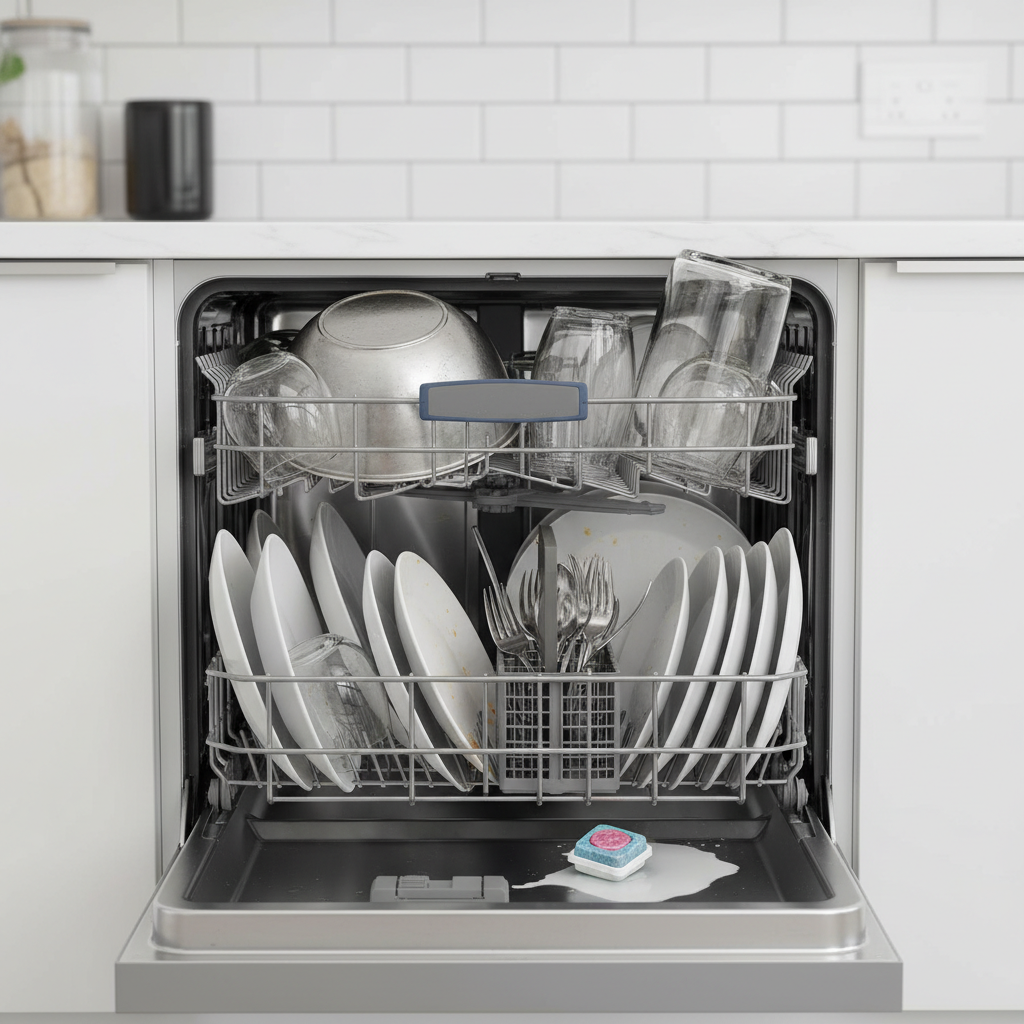
Incorrect Pod Placement: Many users mistakenly toss the pod into the bottom of the dishwasher or place it in the silverware caddy. This is a significant error. Pods are designed to be placed in the main detergent dispenser, which typically opens at a specific point in the wash cycle. Placing it elsewhere can cause the pod to dissolve too early during the pre-wash, depleting its cleaning power before the main wash begins, leaving dishes dirty and potentially covered in residue.
-
Overloading the Dishwasher: While it’s tempting to cram in every last plate, an overloaded dishwasher is a recipe for disaster. Excessive items block water jets and spray arms, preventing water and detergent from reaching all surfaces. This results in uneven cleaning, with some dishes remaining dirty or streaky due to insufficient exposure to the cleaning solution.
-
Blocking the Detergent Dispenser: Large items placed in the lower rack, such as baking sheets, cutting boards, or oversized pots, can physically obstruct the detergent dispenser door. If the door cannot open fully and release the pod at the correct time, the detergent will not be dispensed into the wash cycle, leading to uncleaned dishes and an undissolved pod.
-
Excessive Pre-Rinsing: Modern dishwasher pods contain enzymes engineered to latch onto food particles and break them down. If you pre-rinse your dishes thoroughly, these enzymes have nothing to work on. This can lead to a cloudy film or residue on your dishes, as the detergent essentially “re-deposits” minerals and loosened grime back onto the ultra-clean surfaces. Scrape off large food scraps, but don’t rinse.
-
Using Too Many Pods: Dishwasher pods are precisely measured for a typical load. While some manufacturers suggest an extra pod for extremely large, heavily soiled loads, using more than one pod for a standard cycle can lead to an excess of detergent. This surplus can cause over-sudsing, leave a cloudy film or gritty residue on dishes, and may even etch glassware over time.
-
Ignoring Water Temperature: For dishwasher pods to dissolve and activate effectively, the water needs to be hot enough. Water temperatures below 120°F (49°C) can cause pods to dissolve incompletely, leading to poor cleaning performance and undissolved pod residue. Ensure your water heater is set to an adequate temperature and that your dishwasher is connected to a hot water supply.
-
Clogged Spray Arms or Filters: Over time, food particles and mineral deposits can accumulate in the dishwasher’s spray arm nozzles or filter. Clogged spray arms hinder the even distribution of water and detergent throughout the machine, while a dirty filter prevents proper drainage and can recirculate grime onto your dishes. Regular cleaning of these components is crucial.
-
Improper Pod Storage: Dishwasher pods are sensitive to moisture and humidity. Storing them in an open container, especially under the sink where humidity levels are often higher, can cause the pods to clump together, stick, or begin dissolving prematurely. Always store pods in their original airtight packaging in a cool, dry place.
-
Skipping Rinse Aid: Even if your dishwasher pods claim to have built-in rinse aid, supplementing with additional rinse aid is highly recommended, especially in areas with hard water. Rinse aid helps water sheet off dishes, preventing spots, streaks, and improving drying performance. It also helps the detergent dispenser open smoothly.
-
Using Short or Eco Cycles Incorrectly: While short or eco-friendly cycles are appealing for saving time and energy, they may not provide sufficient heat or duration for some dishwasher pods to fully dissolve and perform optimally, especially with heavily soiled loads. For best results, particularly with stubborn messes, use a standard or heavy-duty cycle.
How to Load Your Dishwasher with Pods for Optimal Results
Mastering the art of dishwasher loading and pod usage is simpler than you think. Follow these best practices for consistently sparkling dishes:
- Scrape, Don’t Rinse: Remove larger food scraps from your dishes before loading them into the dishwasher. However, resist the urge to pre-rinse excessively, as detergent enzymes need some food residue to work most effectively.
- Strategic Loading Techniques: Load dishes facing the center of the dishwasher and angled downward to allow water jets to clean thoroughly and ensure proper drainage. Avoid stacking items or allowing them to overlap, as this creates “shadows” where water cannot reach. Place plastic items on the top rack to prevent heat damage from the heating element at the bottom.
- Correct Pod Placement in Dispenser: Always place a single dishwasher pod into the main detergent dispenser compartment. Ensure your hands are dry when handling the pod to prevent it from sticking or prematurely dissolving. Close the dispenser lid firmly until it clicks into place.
- Ensure Unobstructed Spray Arms: Before starting the cycle, manually spin both the upper and lower spray arms to confirm they can rotate freely without hitting any dishes. Rearrange any items that are blocking their path to ensure water and detergent reach all areas.
- Utilize Rinse Aid: Regularly check and refill your dishwasher’s rinse aid dispenser. This is a game-changer for reducing water spots, promoting faster drying, and enhancing overall shine, particularly if you have hard water.
- Maintain Proper Water Temperature: Ensure your home’s water heater is set to at least 120°F (49°C). Hot water is crucial for the complete dissolution of the pod and the effective activation of its cleaning agents.
- Regular Dishwasher Maintenance: Make it a habit to clean your dishwasher regularly. This includes wiping down the interior, cleaning the filter, and inspecting the spray arm nozzles for any clogs. A clean dishwasher is a more efficient dishwasher.
Troubleshooting Common Pod-Related Issues
Even with best practices, sometimes issues arise. Here’s how to tackle them:
- Pods Not Dissolving Completely: This is often due to low water temperature, a blocked dispenser door, or improper pod placement. Check your water heater settings, ensure no dishes obstruct the dispenser, and confirm the pod is in the correct compartment. Also, verify that your spray arms are not clogged or blocked.
- Dishes Still Dirty or Streaky: This points to insufficient cleaning. Review your loading technique for overcrowding, check if the spray arms are blocked, ensure the pod dispensed correctly, and consider if your water temperature is adequate. A dirty filter can also recirculate grime.
- Residue on Dishes: A cloudy film or gritty residue often indicates too much detergent, excessive pre-rinsing, or hard water issues. Reduce pre-rinsing, ensure you’re using only one pod, and make sure your rinse aid dispenser is full. Regular cleaning of the dishwasher interior can also help.
Buying Guide: Choosing the Right Dishwasher Pods
Selecting the ideal dishwasher pod can further optimize your cleaning results:
- Consider Water Hardness: If you live in an area with hard water, opt for pods specifically formulated to combat mineral deposits. These often contain water softeners or require additional rinse aid.
- Machine Compatibility: While most pods are universally compatible, some older or specialized dishwashers might have recommendations. Always check your dishwasher’s manual and the pod packaging for any specific guidelines.
- Eco-Friendly Options: For environmentally conscious households, many brands now offer pods with biodegradable ingredients, phosphate-free formulas, and reduced plastic packaging.
“Many common dishwashing issues can be traced back to simple user errors rather than appliance malfunction. Proper loading and pod placement are fundamental to leveraging your dishwasher’s full potential.”
Conclusion
Dishwasher pods are designed to simplify your life and deliver exceptional cleaning, but they require a little know-how to perform their best. By understanding the common mistakes—from incorrect pod placement and overloading to ignoring water temperature and proper maintenance—you can ensure every cycle results in gleaming, spotless dishes. Embrace these best practices, and transform your dishwashing from a frustrating chore into a consistently satisfying experience. What small change will you make today to achieve sparkling clean dishes?
Frequently Asked Questions
Can I put a dishwasher pod in the bottom of the dishwasher?
No, it is generally not recommended to place a dishwasher pod directly in the bottom of the dishwasher. The main detergent dispenser is designed to release the pod at the optimal time during the wash cycle. Placing it at the bottom can cause it to dissolve too early, leading to poor cleaning performance.
How many dishwasher pods should I use per load?
For most standard loads, one dishwasher pod is sufficient. Pods are pre-measured for convenience and effectiveness. Using more than one pod can lead to excessive suds, residue on dishes, or a cloudy film. Consult your pod’s packaging for specific recommendations, especially for heavily soiled or extra-large loads.
What causes dishwasher pods not to dissolve completely?
Dishwasher pods may not dissolve completely due to several factors, including low water temperature, a blocked detergent dispenser door, clogged spray arms, or insufficient water pressure. Ensuring your water heater is set correctly, dishes don’t obstruct the dispenser, and your dishwasher is clean are key steps to troubleshoot this issue.
Do I need to pre-rinse dishes when using pods?
No, excessive pre-rinsing is generally unnecessary and can even be detrimental when using modern dishwasher pods. Many pods contain enzymes designed to break down food particles. Scraping off large food scraps is sufficient; leaving some residue allows the enzymes to work effectively, preventing streaks or film.
Should I use rinse aid even if my pods have it built-in?
Yes, it is often beneficial to use a separate rinse aid, even if your dishwasher pods claim to include it. An additional rinse aid can significantly improve drying performance, prevent water spots and streaks, and is particularly helpful in areas with hard water. Ensure your dishwasher’s rinse aid dispenser is filled regularly.